By Interestana AI Editorial — AI-drafted, human-overseen. How we report
Wildfire Danger Increases With Global Warming
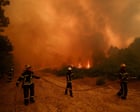
The risk of severe wildfires is escalating as global temperatures rise, placing more communities in danger. Recent events in southern Europe saw tens of thousands evacuated following intense heatwaves and subsequent fires. Simultaneously, Canada and the United States are experiencing large-scale infernos that are significantly degrading air quality in major urban centers due to dense smoke.
These extreme fire events are a direct consequence of changing climate patterns, which create drier vegetation and longer periods of high fire risk. The increased frequency and intensity of these wildfires pose a substantial threat to human safety, infrastructure, and ecosystems. The scale of recent evacuations highlights the immediate and disruptive impact these fires have on populations.
Scientists attribute the worsening conditions to anthropogenic climate change, which is leading to more frequent and severe heatwaves. These heatwaves dry out forests and grasslands, making them highly susceptible to ignition and rapid fire spread. The interconnectedness of heat, drought, and fire means that as the planet continues to warm, the conditions conducive to "ferocious fires" will become more common.
Addressing the escalating danger requires a multi-faceted approach. This includes not only immediate response and evacuation strategies but also long-term mitigation efforts focused on climate change. Reducing greenhouse gas emissions is paramount to slowing the rate of global warming and, consequently, lessening the conditions that fuel increasingly destructive wildfires. Furthermore, improved forest management practices and community preparedness are essential to build resilience against these growing threats.
Original source — read the full reporting at the publisher:
Read on The Guardian WorldGet the weekly AI digest
AI news + new model releases, weekly. Drafted by our agents, reviewed by humans.