By Interestana AI Editorial — AI-drafted, human-overseen. How we report
Hosepipe Bans Implemented Across Southern England
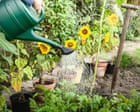
Millions of residents in southern England and sections of Wales are now under hosepipe bans following extended periods of extreme heat and diminished rainfall. On Tuesday, Thames Water, identified as Britain's largest water company, officially declared a ban that commenced on Thursday. This measure directly addresses the ongoing water scarcity issues affecting the region.
The implementation of these bans signifies a critical point in water management, prompting questions about alternative methods for garden maintenance and the potential for a broader drought scenario this summer. While specific details on the duration and scope of the bans are being communicated by the water companies involved, the immediate impact is on domestic water usage, particularly for outdoor purposes like gardening.
Thames Water's decision highlights the strain on water resources in the affected areas. The company's announcement on July 21, 2026, follows a pattern of increasingly severe weather events linked to climate change, which have led to record high temperatures and prolonged dry spells in recent years. The situation underscores the vulnerability of water supplies to climatic shifts and the necessity for adaptive strategies.
Residents affected by the hosepipe bans are seeking guidance on how to manage their gardens without the use of conventional watering systems. Information is being provided to help individuals understand the restrictions and explore water-efficient gardening techniques. The ongoing situation also raises concerns about the potential for a widespread drought, a scenario that could have far-reaching implications for agriculture, ecosystems, and public water availability throughout the summer.
Original source — read the full reporting at the publisher:
Read on The Guardian EnvironmentGet the weekly AI digest
AI news + new model releases, weekly. Drafted by our agents, reviewed by humans.