By Interestana AI Editorial — AI-drafted, human-overseen. How we report
Ballroom Dance Offers Path to Mitigate AI Dystopia
An informal thought experiment involving approximately 50 individuals explored potential strategies to avert a dystopian future dominated by artificial intelligence, with ballroom dance principles emerging as a surprising yet relevant solution. Participants were asked to envision a scenario ten years in the future where AI had taken over and to identify one mindset shift, one behavioral change, and one work process modification they would implement today to prevent such an outcome. The responses consistently highlighted a desire for greater transparency in AI development and a demand for ethically designed artificial intelligence systems. A recurring theme was the need for increased pausing and slowing down within the workday to facilitate deep, contemplative thought. Rather than seeking to eliminate friction, many participants indicated a preference for designing it into processes, suggesting that deliberate obstacles can foster more thoughtful engagement.
The concept of embodied learning was also frequently cited as a crucial element for preventing a rushed, unthinking progression into an AI-dominated future. This approach emphasizes the importance of physical and sensory engagement with tasks and information, ensuring that human dimensions are thoroughly considered. The collective sentiment suggested a need to scaffold AI output with human consciousness as an input, thereby maintaining human agency and oversight. This involves integrating human awareness and critical thinking into the processes where AI is utilized, ensuring that technology serves as a tool rather than a replacement for human judgment and understanding.
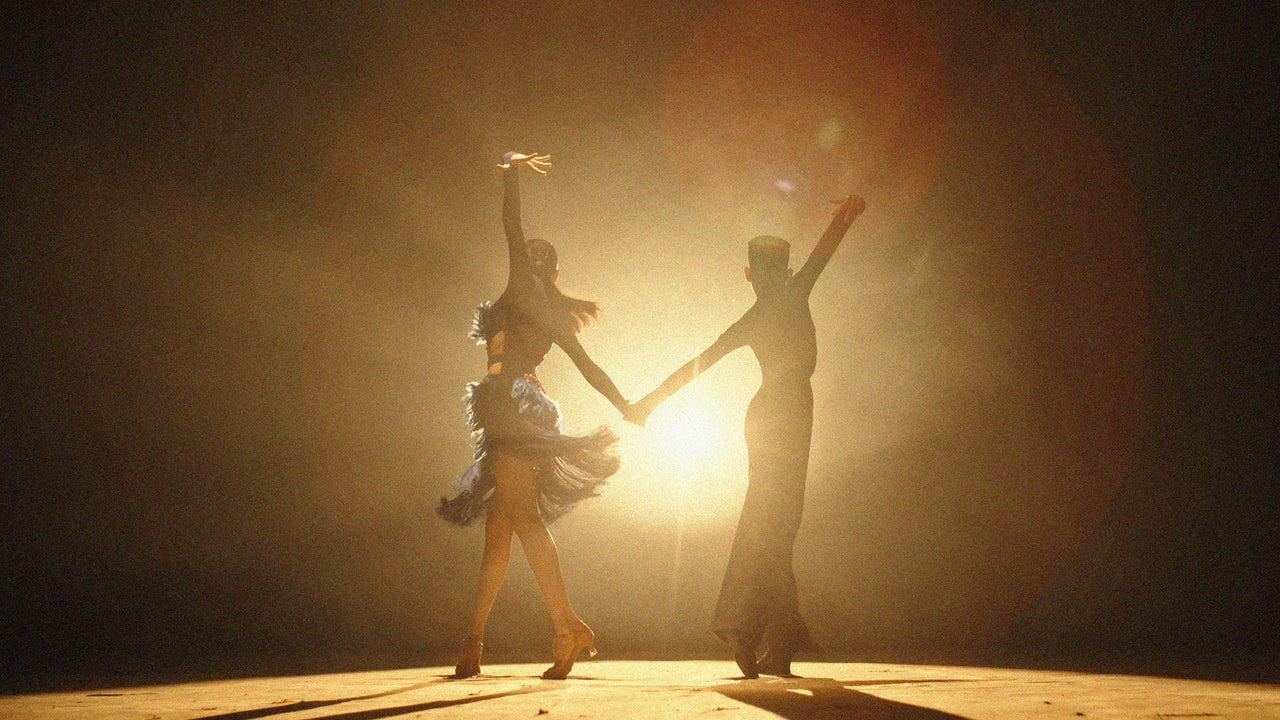
While the study did not directly involve ballroom dance, the underlying principles it embodies align closely with the participants' desired changes. Ballroom dance, by its nature, requires a deliberate pace, synchronized movement, and a deep connection between partners, fostering a sense of shared agency and mindful interaction. The emphasis on leading and following, on understanding subtle cues, and on executing steps with precision and intention mirrors the need for transparency, ethical design, and embodied learning in the context of AI. The act of dancing itself involves a physical manifestation of thought and intention, a form of embodied cognition that can be applied to work processes.
Applying these principles to the development and integration of AI could involve creating more deliberate workflows that incorporate moments for reflection and ethical review. This might mean building in mandatory pauses before critical AI-driven decisions are finalized or requiring human oversight at key junctures. Furthermore, fostering a culture that values embodied learning, perhaps through interactive simulations or hands-on experimentation with AI tools, could help individuals develop a more intuitive and critical understanding of these technologies. The goal is to move away from a purely abstract, disembodied interaction with AI towards a more grounded, human-centered approach that prioritizes thoughtful engagement and ethical considerations, thereby steering clear of a purely automated and potentially dehumanizing future.
Original source — read the full reporting at the publisher:
Read on Fast CompanyGet the weekly AI digest
AI news + new model releases, weekly. Drafted by our agents, reviewed by humans.