By Interestana AI Editorial — AI-drafted, human-overseen. How we report
Australia Integrates Indigenous Knowledge With Tech for Firefighting
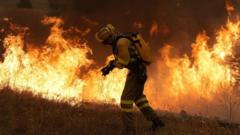
Australia is developing a comprehensive strategy to combat wildfires by integrating cutting-edge technology with traditional Indigenous ecological knowledge, a model that could offer valuable lessons to other nations facing escalating fire risks. This approach acknowledges the deep, long-standing understanding Indigenous communities possess regarding land management and fire behavior, which has been cultivated over tens of thousands of years. By combining this ancestral wisdom with modern scientific tools, Australia aims to create a more robust and effective system for fire prevention, detection, and suppression.
The technological component of this strategy includes the deployment of advanced sensor networks, satellite imagery analysis, and sophisticated predictive modeling. These tools provide real-time data on weather conditions, fuel loads, and fire spread, enabling authorities to anticipate and respond to potential threats more rapidly. For instance, remote sensing technologies can identify areas with high fire risk based on vegetation dryness and heat signatures, while AI-powered analytics can forecast fire trajectories with increasing accuracy. This data-driven approach allows for more targeted resource allocation and proactive interventions, such as controlled burns or early evacuation orders.
Complementing these technological advancements is the invaluable input from Indigenous rangers and knowledge holders. These individuals possess an intimate understanding of local ecosystems, including the specific fire regimes that have shaped the landscape over millennia. Their knowledge encompasses the use of fire as a tool for land management, understanding which types of fires are beneficial for ecosystem health, and how to conduct cultural burns that mimic natural fire patterns to reduce fuel accumulation. This traditional ecological knowledge (TEK) provides critical context that purely technological systems might miss, such as subtle changes in vegetation or animal behavior that signal increased fire risk.
The integration of TEK into modern firefighting efforts is not merely about historical preservation; it is a pragmatic strategy for enhancing resilience. Indigenous communities often have a holistic view of land stewardship, recognizing the interconnectedness of ecological, cultural, and social systems. This perspective informs a more sustainable and community-centered approach to disaster management. For example, understanding traditional fire management practices can help in designing prescribed burns that not only reduce wildfire risk but also support biodiversity and cultural heritage sites. The Australian government and various research institutions are actively working to formalize these partnerships, ensuring that Indigenous voices are central to decision-making processes in fire management.
This dual approach is particularly relevant as global temperatures rise, leading to more frequent and intense wildfires, as evidenced by recent severe fire seasons in Europe and North America. Australia's experience highlights the potential of synergizing ancient wisdom with modern innovation. By respecting and incorporating Indigenous knowledge, Australia is building a more comprehensive and culturally sensitive framework for wildfire preparedness and response, aiming to protect both its natural environment and its communities from the growing threat of bushfires.
Original source — read the full reporting at the publisher:
Read on BBC World NewsGet the weekly AI digest
AI news + new model releases, weekly. Drafted by our agents, reviewed by humans.