By Interestana AI Editorial — AI-drafted, human-overseen. How we report
AI Optimizes Radio Spectrum Sharing for Wireless Data
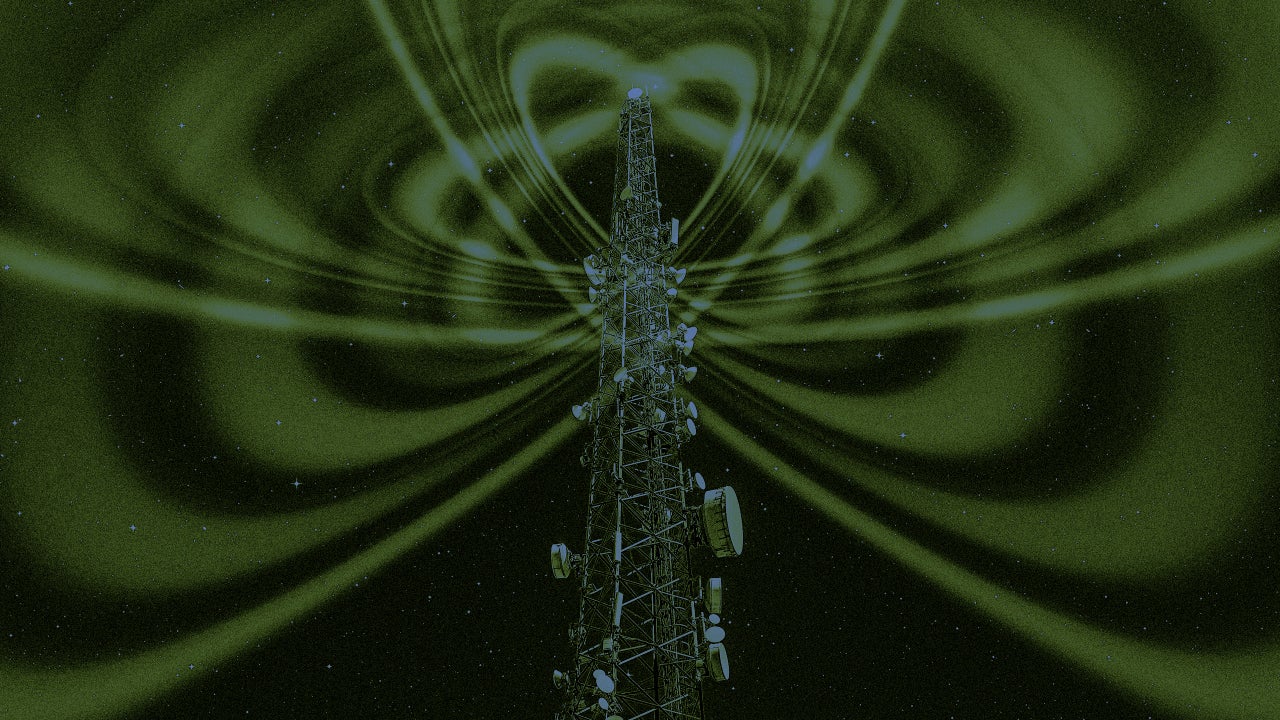
The increasing demand for wireless data, fueled by smartphones, video streaming, and a proliferation of connected devices, is leading to a scarcity of radio spectrum. This invisible resource, fundamental to all wireless communication, is managed by governments through exclusive licensing, a system that has historically reserved specific frequencies for individual users. However, a field of research is emerging to address this "supply crunch" through dynamic spectrum sharing, a concept that allows multiple users to intelligently share the same frequencies under clear rules to prevent signal interference. Radio spectrum occupies the lower end of the electromagnetic spectrum, below microwaves, light, and X-rays, and can be conceptualized as a network of invisible highways operating at different frequencies. These communication highways span a vast range, from very low frequencies used for submarine communication to frequencies beyond radio waves, approaching visible light. Higher frequency bands offer wider bandwidths, enabling greater data transfer but typically over shorter distances. The traditional model of exclusive licensing, while functional for decades, is becoming increasingly inadequate in the face of escalating wireless data consumption. Dynamic spectrum sharing aims to overcome these limitations by enabling more efficient utilization of the available spectrum. This approach involves sophisticated technologies, often incorporating artificial intelligence (AI), to monitor spectrum usage in real-time and dynamically allocate frequencies to users based on their immediate needs and the prevailing signal environment. The goal is to create a more flexible and responsive spectrum management system that can accommodate the exponential growth in wireless traffic without requiring the allocation of new, scarce spectrum bands. This technological evolution is crucial for supporting future advancements in wireless communication, including the expansion of 5G and the development of next-generation mobile networks, as well as enabling the seamless operation of a vast array of Internet of Things (IoT) devices. The successful implementation of dynamic spectrum sharing could significantly enhance network capacity, reduce latency, and improve the overall quality of wireless services, thereby unlocking new possibilities for innovation across various sectors, from telecommunications and transportation to healthcare and entertainment. The ongoing research and development in this area are critical for ensuring that the digital infrastructure can keep pace with the ever-increasing demand for connectivity.
Original source — read the full reporting at the publisher:
Read on Fast CompanyGet the weekly AI digest
AI news + new model releases, weekly. Drafted by our agents, reviewed by humans.