By Interestana AI Editorial — AI-drafted, human-overseen. How we report
AI System Warns Ferry Crews of Nearby Whales
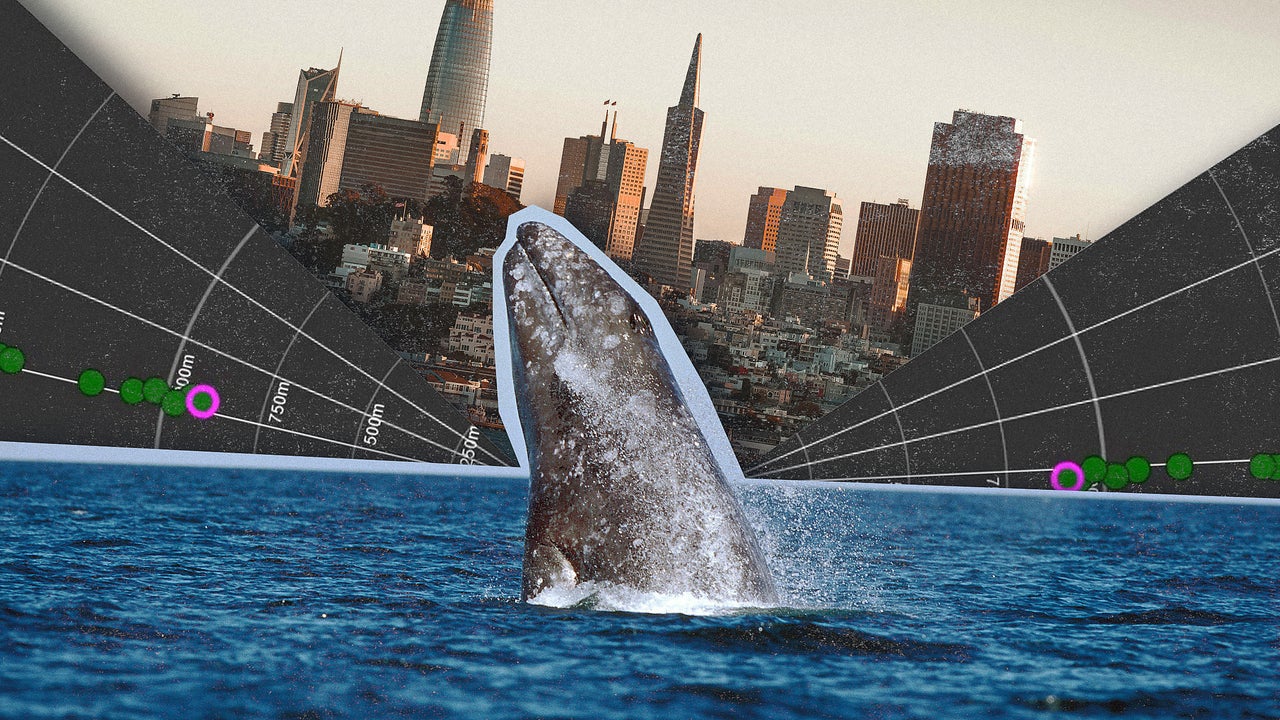
An artificial intelligence-powered system is being piloted on a San Francisco Bay commuter ferry to alert crews to the presence of whales, thereby reducing the risk of fatal ship strikes. This system, which utilizes thermal cameras to detect the heat signature of whale breath at the surface, is part of a two-year pilot program designed to address the increasing number of whales entering the bay. The initiative stems from a growing problem where climate change is altering marine food sources, causing gray whales to increasingly frequent the bay during their migration between Alaska and Mexico. This convergence of whale migration and heavy maritime traffic, including cargo ships, cruise ships, and oil tankers, has created a hazardous environment. In the previous year, 21 whales died in the bay, with 40% of these fatalities attributed to collisions with vessels. Rachel Rhodes, a scientist at the University of California Santa Barbara’s Benioff Ocean Science Lab, highlighted the dangerous combination of a confined space and high ship traffic, emphasizing the collaborative effort to mitigate this risk. The Benioff Lab is involved in this project through its WhaleSafe platform, which aggregates reported whale sightings to inform shipping vessels. Previously, the lab had experimented with acoustic buoys in Southern California to monitor whale vocalizations. However, gray whales are not particularly vocal, leading the San Francisco pilot to adopt thermal imaging technology. The startup WhaleSpotter developed this thermal camera technology, employing AI to analyze the captured images. Each whale sighting is verified by a global network of experts before an alert is dispatched. The system is designed to be mounted on vessels, enabling it to detect whales in the path ahead. The technology's effectiveness is being evaluated over the course of the pilot program, with the goal of providing a scalable solution to enhance maritime safety for whale populations. The increasing frequency of whale sightings in the bay underscores the urgency of such technological interventions. The Benioff Ocean Science Lab, a key partner in this endeavor, has a history of developing innovative approaches to marine mammal conservation and research. Their involvement signifies a commitment to leveraging scientific expertise and technological advancements to address critical environmental challenges. The collaboration with WhaleSpotter represents a fusion of academic research and startup innovation, aiming to create practical, real-world applications for AI in environmental protection. The success of this pilot could pave the way for broader implementation across other busy shipping lanes where whale populations are at risk.
Original source — read the full reporting at the publisher:
Read on Fast CompanyGet the weekly AI digest
AI news + new model releases, weekly. Drafted by our agents, reviewed by humans.