By Interestana AI Editorial — AI-drafted, human-overseen. How we report
South African Town Cleans Polluted River With Stones, Wood, Sand
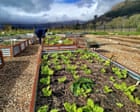
A novel water treatment system utilizing stones, heat-treated wood, and sand has successfully transformed the heavily polluted Stiebeuel River in South Africa into a resource clean enough for irrigating a community's vegetable plots. This innovative approach, developed by researchers from the University of Cape Town, operates without the need for chemicals and relies on renewable energy sources. The system is currently purifying 36,000 liters of water daily, addressing contamination from sewage, chemicals, and traces of drugs and medication. This purified water is then made available for agricultural use in a rapidly expanding informal settlement situated along the river's course.
The project's significance extends beyond local water remediation, offering a potential model for ensuring food security in regions grappling with the escalating challenges of a fast-warming climate. By providing a sustainable and accessible method for wastewater treatment, the initiative aims to bolster local agricultural productivity and resilience. The University of Cape Town's research team has demonstrated that effective water purification can be achieved through low-cost, environmentally friendly materials and processes, making it a scalable solution for other communities facing similar environmental and resource constraints. The use of readily available materials like stones, wood, and sand underscores the project's commitment to sustainability and accessibility, avoiding reliance on complex or expensive technologies.
This initiative highlights the critical intersection of environmental stewardship, technological innovation, and community development. The Stiebeuel River, previously a source of concern due to its contamination levels, is now being revitalized as a vital resource for local food production. The success of this system is particularly relevant in the context of climate change, which exacerbates water scarcity and pollution in many parts of the world. By demonstrating a practical and effective method for treating wastewater, the University of Cape Town's project offers a beacon of hope for enhancing food security and improving public health in vulnerable communities. The researchers' focus on renewable energy further strengthens the system's environmental credentials, ensuring a minimal carbon footprint. The ability to treat such a significant volume of water—36,000 liters per day—indicates the system's potential for impact on a larger scale, supporting not only immediate irrigation needs but also contributing to the long-term ecological health of the river and its surrounding environment. The project's findings are being closely watched by environmental scientists and policymakers interested in sustainable water management solutions.
Original source — read the full reporting at the publisher:
Read on The Guardian EnvironmentGet the weekly AI digest
AI news + new model releases, weekly. Drafted by our agents, reviewed by humans.