By Interestana AI Editorial — AI-drafted, human-overseen. How we report
House Passes Bill Blocking Aid to Colleges Boycotting Israel
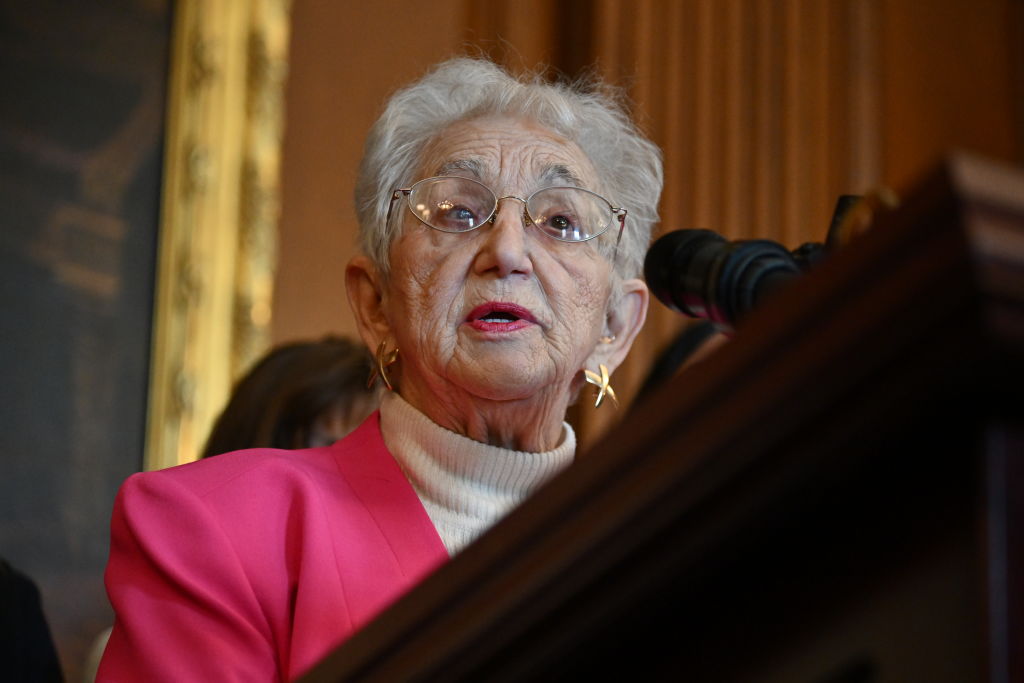
The U.S. House of Representatives passed a bill on September 4, 2026, that would prohibit federal funding for colleges and universities that implement boycotts against Israel. This legislative action aims to counter the growing movement among some academic institutions to divest from or boycott Israeli companies and academic institutions, often in response to the ongoing Israeli-Palestinian conflict. The bill, introduced by Representative [Name Redacted for Privacy], passed with a bipartisan vote, indicating significant support across the aisle for its objectives. Supporters of the bill argue that such boycotts are discriminatory and undermine academic freedom and international relations. They contend that federal funding should not be allocated to institutions that engage in policies perceived as anti-Israel. The legislation specifically targets the Boycott, Divestment, and Sanctions (BDS) movement, which has gained traction on numerous university campuses in recent years. The BDS movement calls for economic and political pressure on Israel to end its occupation of Palestinian territories. Critics of the bill, however, have raised concerns about its potential impact on free speech and academic inquiry. They argue that the bill could stifle legitimate criticism of Israeli government policies and discourage open discourse on complex geopolitical issues. Some educators and students have expressed worries that the legislation could lead to a chilling effect on campus activism and scholarly research related to the Israeli-Palestinian conflict. The bill's passage in the House represents a significant development in the ongoing debate over the role of U.S. higher education in international affairs and the response to movements advocating for Palestinian rights. The legislation now moves to the Senate for consideration, where its future remains uncertain. If passed by the Senate and signed into law by the President, the bill would have substantial implications for the financial stability of universities that have adopted or may consider adopting anti-Israel boycott policies. This could include a wide range of federal funding, from research grants and student financial aid to institutional support. The debate highlights the increasing politicization of higher education and the challenges of balancing institutional autonomy with national foreign policy objectives. The outcome of this legislative effort will likely shape the landscape of academic-government relations and the discourse surrounding international conflicts on American campuses.
Original source — read the full reporting at the publisher:
Read on Inside Higher EdGet the weekly AI digest
AI news + new model releases, weekly. Drafted by our agents, reviewed by humans.