By Interestana AI Editorial — AI-drafted, human-overseen. How we report
Walmart Leader on Effective Feedback
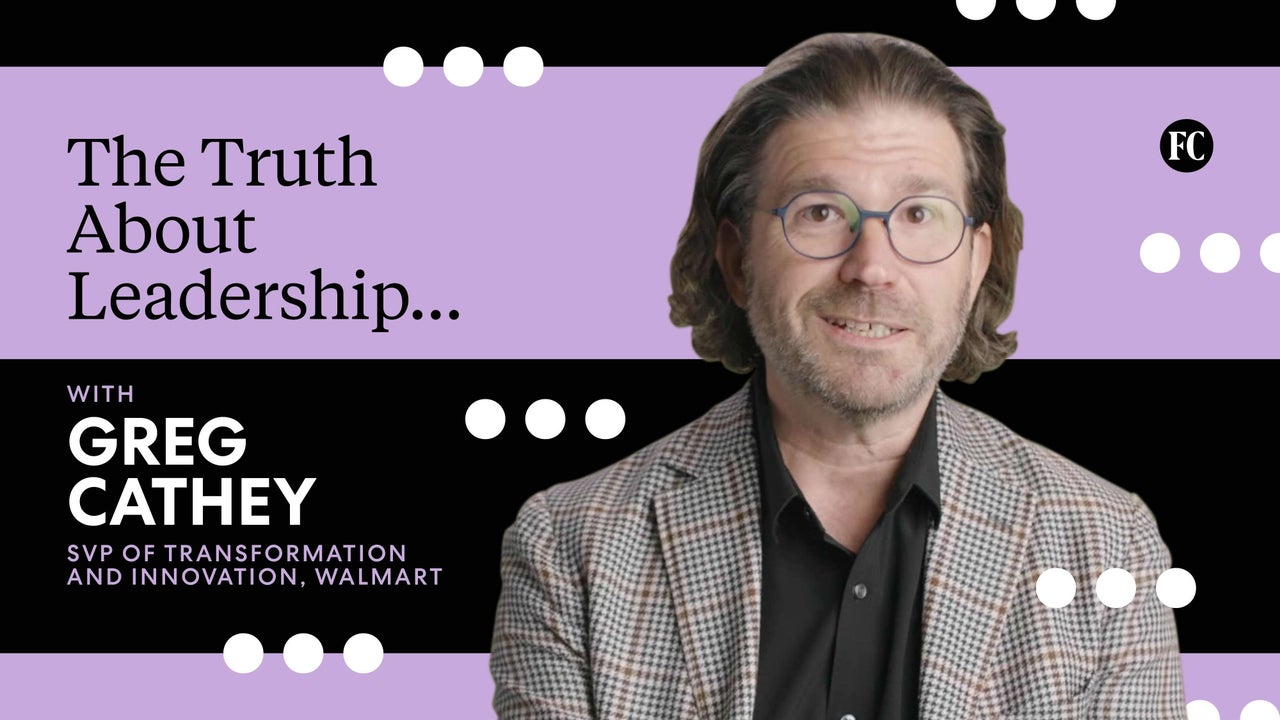
Greg Cathey, a leader at Walmart, has articulated a philosophy on providing effective feedback, stressing that it is a crucial leadership skill that requires diligent cultivation. Cathey's perspective, shared in a recent discussion, reframes feedback not as an act of criticism, but as a practice that strengthens leadership capabilities over time. He asserts that the key to impactful feedback lies in its constructive nature, aiming to foster growth and improvement rather than simply pointing out flaws. This approach suggests a deliberate strategy for managers to develop their ability to deliver feedback in a way that is both well-received and actionable.
Cathey's emphasis on feedback as a 'leadership muscle' implies that proficiency in this area is not innate but is developed through consistent application and refinement. This analogy suggests that, much like physical muscles, the ability to give and receive feedback effectively becomes stronger with regular exercise. He advocates for a proactive stance, encouraging leaders to regularly engage in feedback conversations, thereby building their confidence and skill set. This continuous practice allows for the identification of what works best in different situations and with various individuals, leading to more nuanced and effective communication.
Furthermore, Cathey's viewpoint challenges the common misconception that constructive feedback must be severe or confrontational. Instead, he posits that the effectiveness of feedback is determined by its clarity, specificity, and the intent behind it. When feedback is delivered with the genuine goal of supporting an individual's development and performance, it is more likely to be perceived positively and acted upon. This requires leaders to be thoughtful in their preparation, ensuring they can articulate specific examples and desired outcomes. The focus remains on the behavior or outcome, not on personal attributes, thereby maintaining a professional and supportive tone.
Implementing this philosophy within a large organization like Walmart involves creating a culture where feedback is normalized and valued. This can be achieved through training programs, leadership development initiatives, and by setting clear expectations for managers. When leaders consistently practice giving constructive feedback, it can lead to a more engaged workforce, improved performance metrics, and a stronger organizational culture. The ultimate goal, as suggested by Cathey's remarks, is to foster an environment where continuous improvement is a shared objective, driven by open and honest communication.
Original source — read the full reporting at the publisher:
Read on Fast CompanyGet the weekly AI digest
AI news + new model releases, weekly. Drafted by our agents, reviewed by humans.