By Interestana AI Editorial — AI-drafted, human-overseen. How we report
Honda To Test Wireless EV Charging On Highway In 2027
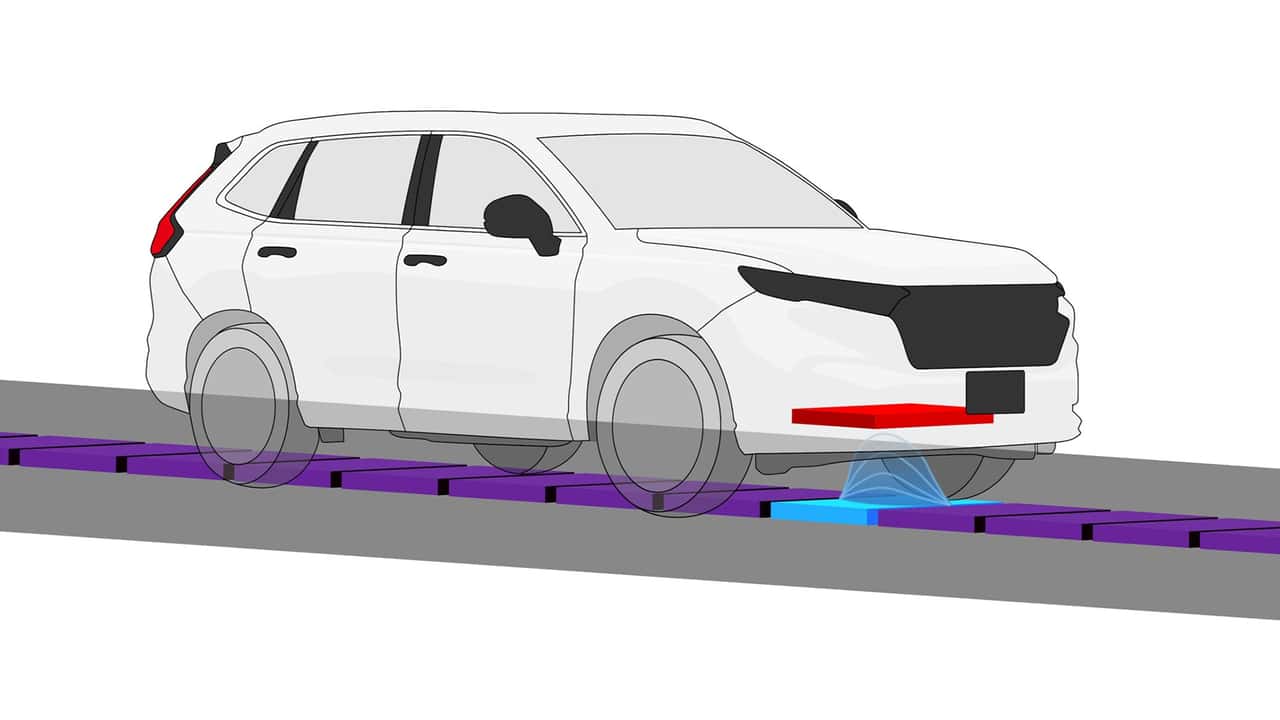
Honda announced plans to initiate testing of wireless electric vehicle (EV) charging technology integrated directly into a highway surface. This pilot program is scheduled to commence in 2027 on a designated stretch of road near Tokyo, Japan. The objective of this testing phase is to evaluate the feasibility and effectiveness of dynamically charging EVs as they travel at speed, a concept known as "dynamic wireless power transfer" or "in-motion charging."
This initiative represents a significant step towards developing infrastructure that could alleviate range anxiety and reduce the need for frequent charging stops for electric vehicles. Unlike current static wireless charging pads that require vehicles to park over them, this highway-integrated system aims to provide a continuous power supply. Honda has not yet disclosed the specific technical specifications of the wireless charging system to be used, nor the exact location or length of the test highway segment. However, the company's commitment to exploring this advanced charging method underscores a broader industry trend towards more convenient and integrated EV charging solutions.
The development and testing of such technology are crucial for the widespread adoption of electric vehicles. Current charging infrastructure, while expanding, often requires drivers to plan routes around charging stations and endure waiting times. Dynamic wireless charging, if proven successful and scalable, could fundamentally alter the EV ownership experience, making long-distance travel as seamless as with internal combustion engine vehicles. Honda's move positions them among other automotive manufacturers and technology companies exploring innovative charging solutions, including inductive charging systems that are already being deployed in some limited applications for buses and passenger cars.
The 2027 testing timeline suggests that Honda is investing in the long-term development of this technology. While the initial phase will focus on data collection and performance evaluation, successful trials could pave the way for future integration into public roadways. The company's participation in such advanced infrastructure projects aligns with global efforts to decarbonize transportation and promote sustainable mobility. Further details regarding the project's partners, the specific power transfer capabilities, and the expected outcomes are anticipated as the testing date approaches. This endeavor highlights the ongoing evolution of EV technology beyond battery capacity and motor efficiency, extending into the critical area of power delivery and infrastructure.
Original source — read the full reporting at the publisher:
Read on InsideEVsGet the weekly AI digest
AI news + new model releases, weekly. Drafted by our agents, reviewed by humans.