By Interestana AI Editorial — AI-drafted, human-overseen. How we report
Zoolander Celebrates 25 Years of Satire
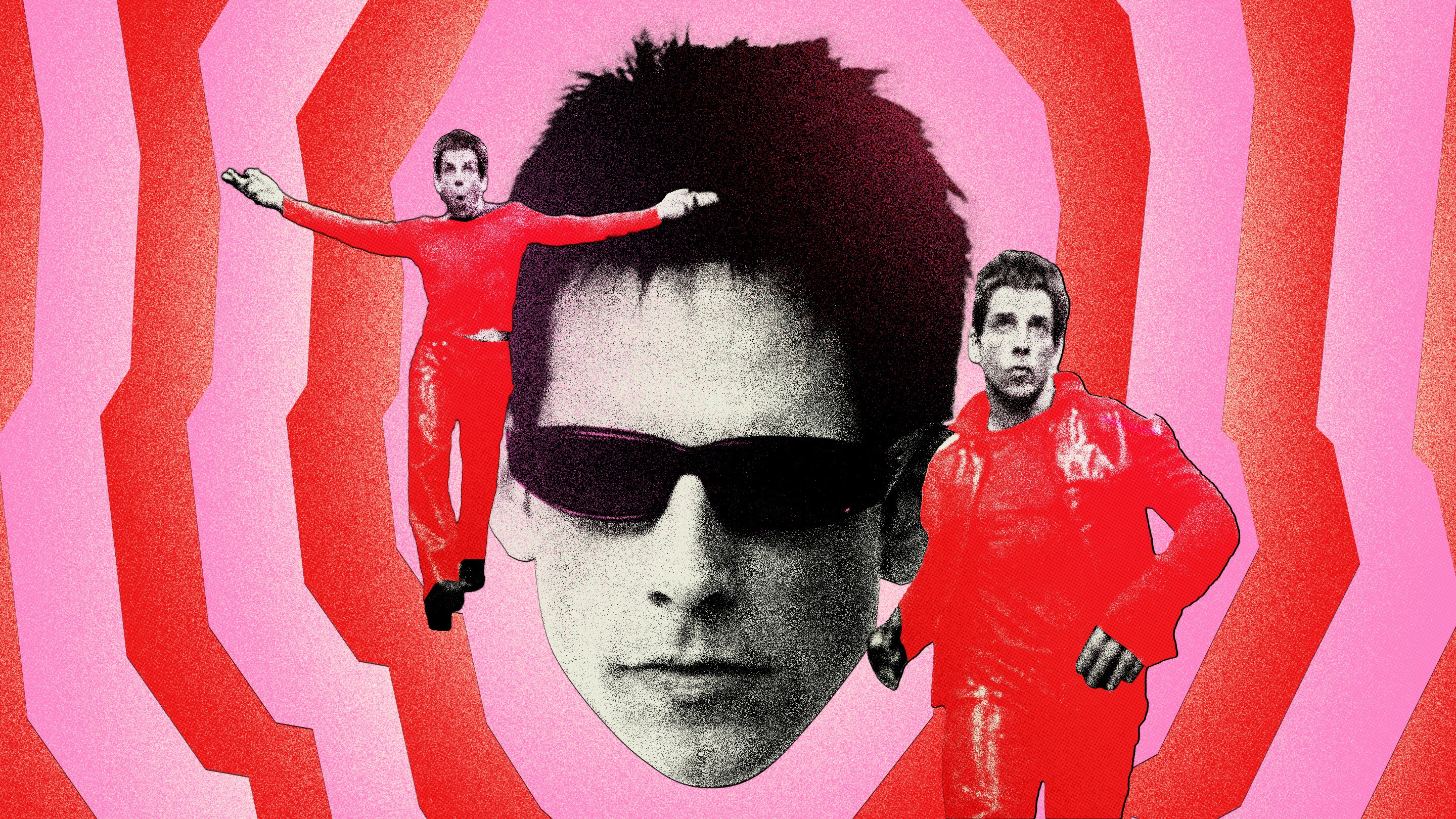
Twenty-five years ago, the satirical comedy film *Zoolander* premiered, introducing audiences to Derek Zoolander, a dim-witted but iconic male supermodel. Directed by Ben Stiller, who also stars as Zoolander, the film was released on September 28, 2001. *Zoolander* uses its exaggerated portrayal of the fashion world to explore themes of masculinity, vanity, and the superficiality often associated with high fashion. The narrative follows Derek Zoolander as he navigates a career crisis after being dethroned as Male Model of the Year by a newcomer, Hansel McDonald, played by Owen Wilson. His subsequent journey involves a brainwashing plot orchestrated by fashion mogul Jacobim Mugatu, portrayed by Will Ferrell, who intends to use Zoolander as an assassin to disrupt a global movement for child labor reform. The film's humor stems from its over-the-top characters, absurd situations, and its playful critique of the fashion industry's often nonsensical trends and pronouncements. Beyond its comedic elements, *Zoolander* has been analyzed for its commentary on gender roles and the construction of male identity in popular culture. Derek Zoolander's character, with his signature "Blue Steel" look and catchphrases, became a cultural phenomenon, transcending the film itself. The movie's enduring appeal lies in its ability to satirize the fashion industry while also touching upon broader societal issues in a lighthearted, albeit sometimes controversial, manner. The film's legacy includes its continued relevance in discussions about media representation, the performance of masculinity, and the impact of celebrity culture. *Zoolander* has spawned a sequel, *Zoolander 2*, released in 2016, which revisited the characters and themes of the original, though with a less enthusiastic critical reception. The original film's success cemented its place as a cult classic, frequently referenced in pop culture and academic discussions about film and gender studies. The film's exploration of a male character whose identity is so closely tied to his physical appearance and public image offers a lens through which to examine societal pressures on both men and women regarding beauty standards and self-worth. The satirical approach taken by Stiller and his co-writers, John Hamburg and Drake Sather, allowed for a critique of consumerism and the often-unexamined values promoted by the fashion and entertainment industries. The character of Derek Zoolander, despite his intellectual shortcomings, embodies a certain aspirational quality within the film's world, highlighting the power of image and branding. The film's enduring popularity 25 years later suggests that its commentary on superficiality, identity, and the absurdities of fame continues to resonate with audiences.
Original source — read the full reporting at the publisher:
Read on The AtlanticGet the weekly AI digest
AI news + new model releases, weekly. Drafted by our agents, reviewed by humans.