By Interestana AI Editorial — AI-drafted, human-overseen. How we report
EV Home Charging Losses Cost German Drivers Significant Money
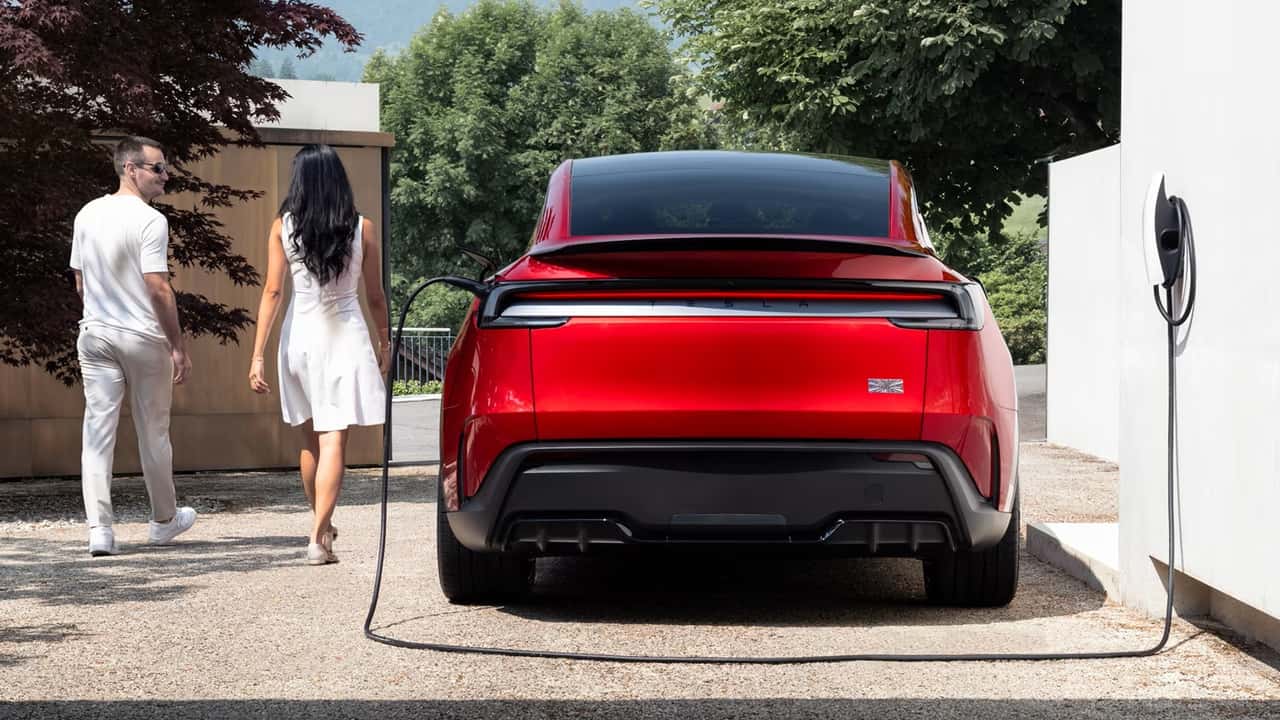
Germany's largest automobile club, ADAC, conducted tests on home electric vehicle (EV) charging, revealing significant energy losses that translate into higher electricity bills for consumers and undermine the environmental benefits of EVs. The testing focused on the efficiency of charging processes when vehicles are plugged in at home, a common scenario for EV owners. ADAC's findings indicate that the energy consumed by the vehicle's onboard charger and battery management system during the charging process, beyond what is stored in the battery, represents a notable waste of electricity.
During the tests, ADAC evaluated several electric vehicles, measuring the total electricity drawn from the wall socket versus the amount of energy actually stored in the vehicle's battery. The results showed considerable variations between different car models, with some exhibiting higher charging losses than others. While specific figures for each vehicle were not detailed in the initial report, the overarching conclusion points to a hidden cost associated with EV ownership that is often overlooked. These losses occur due to the conversion of AC power from the grid to DC power required by the battery, a process that generates heat and consumes energy. Furthermore, the vehicle's internal systems remain active during charging, drawing power for monitoring and management.
ADAC's investigation highlights that these charging losses can amount to a significant percentage of the total energy consumed, potentially adding hundreds of euros to an EV owner's annual electricity bill, depending on driving habits and electricity prices. For instance, if a car loses 10% of the energy during charging, and an owner charges 5,000 kWh per year, that's an additional 500 kWh wasted, which translates to real monetary cost. This inefficiency not only impacts the owner's wallet but also contradicts the goal of reducing carbon emissions, as the wasted electricity still needs to be generated, often from fossil fuels. The club emphasized that these losses are inherent to current charging technologies but can be mitigated through smarter charging practices and by choosing vehicles with more efficient onboard charging systems.
To help consumers reduce these costs, ADAC offered several recommendations. These include charging vehicles during off-peak hours when electricity rates are typically lower, thereby reducing the financial impact of energy losses. Additionally, owners are advised to ensure their charging equipment is functioning optimally and to consider the efficiency ratings of vehicles when making a purchase. The club also suggested that manufacturers should continue to focus on improving the efficiency of onboard chargers and battery management systems to minimize energy waste. By raising awareness of these hidden costs, ADAC aims to empower EV owners to make more informed decisions and maximize the economic and environmental benefits of their electric vehicles. The testing underscores the importance of looking beyond the advertised range and charging speed to understand the total cost of EV ownership.
Original source — read the full reporting at the publisher:
Read on InsideEVsGet the weekly AI digest
AI news + new model releases, weekly. Drafted by our agents, reviewed by humans.