By Interestana AI Editorial — AI-drafted, human-overseen. How we report
Home Depot Sales Rise on DIY Projects Amid Housing Slump
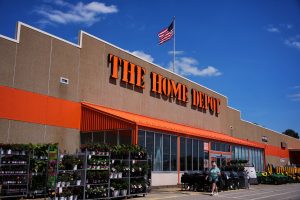
Home Depot experienced a sales increase in its second quarter, reporting revenue of $47.86 billion, which surpassed Wall Street's expectation of $47.24 billion. This growth occurred as the U.S. housing market continues to face a slump, prompting consumers to focus on smaller, do-it-yourself (DIY) home improvement projects rather than larger renovations. Globally, sales at stores open for at least a year, a key metric for retailer performance, rose by 1.7%. Within the United States, comparable store sales saw a 1.3% increase. Chief Financial Officer Richard McPhail attributed the positive results to "broad based demand across the business as customers continued to engage in smaller projects." Although the total number of customer transactions decreased by 1% during the quarter, the average spending per receipt climbed to $92.50 from $90.01 in the previous year. This indicates that while fewer shopping trips occurred, customers were spending more on each visit. Neil Saunders, managing director of GlobalData, noted that the increase in smaller projects is a positive development, with data showing a 1.5% rise in such undertakings compared to the prior year. Saunders described this as a "step change from the declines of previous periods," suggesting a shift in consumer behavior towards more manageable home improvement tasks. However, Saunders also highlighted a significant challenge impacting the larger-ticket project segment, which saw a 2.1% decline year-over-year. This slowdown is attributed to concerns surrounding financing and a reduced level of home moving activity, both of which are major deterrents for substantial home investments. The current economic climate makes larger home projects more daunting. Homeowners considering home equity loans are facing considerably higher borrowing costs compared to the low rates available in the early 2020s. Projects that might have been feasible with interest rates between 4% and 5% now appear much more expensive with rates at 8% or higher. While average long-term U.S. mortgage rates have seen a slight decrease recently, they remain elevated compared to the previous year, contributing to higher overall borrowing costs for consumers looking to finance home improvements or purchases. The company's performance suggests that despite broader economic headwinds in the housing sector, a segment of consumers is still investing in their homes through smaller, more accessible projects, which is bolstering Home Depot's sales figures.
Original source — read the full reporting at the publisher:
Read on FortuneGet the weekly AI digest
AI news + new model releases, weekly. Drafted by our agents, reviewed by humans.