By Interestana AI Editorial — AI-drafted, human-overseen. How we report
Ryback Details Hitler's Rise and Preventative Opportunities
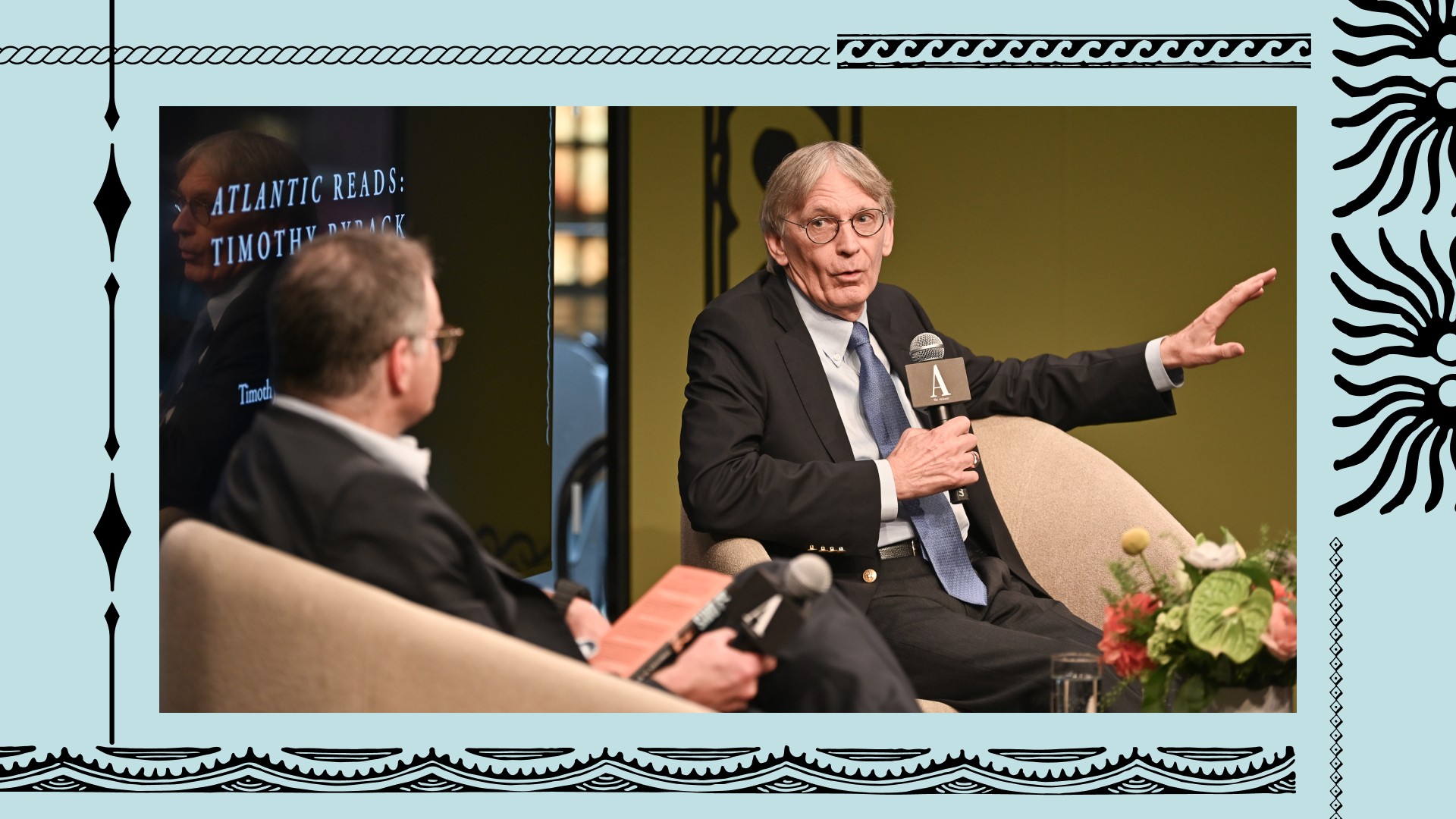
Timothy W. Ryback's work, "Hitler Could Have Been Stopped," delves into the historical context of Adolf Hitler's rise to power, identifying specific moments and missed opportunities where his trajectory could have been altered. The book, drawing on extensive research, posits that Hitler's ascent was not an inevitable outcome but rather a series of choices and failures by various actors, both within Germany and internationally. Ryback meticulously examines the political and social climate of post-World War I Germany, highlighting the economic instability and national humiliation that created fertile ground for extremist ideologies. He details the early stages of the Nazi Party's growth, its propaganda efforts, and the gradual erosion of democratic institutions. A key focus is on the period between Hitler's appointment as Chancellor in January 1933 and the consolidation of his dictatorial powers through the Enabling Act in March 1933. Ryback argues that during these crucial months, opposition parties, established institutions, and even elements within the conservative establishment failed to unite effectively against the Nazi threat. The book explores the miscalculations and underestimations of Hitler's ruthlessness and ambition by political opponents and foreign leaders alike. Ryback scrutinizes the role of figures like President Paul von Hindenburg, who ultimately appointed Hitler, and the conservative politicians who believed they could control him. The narrative also touches upon the international response, or lack thereof, to Hitler's early aggressive actions and rearmament, which violated the Treaty of Versailles. The author emphasizes that understanding these historical failures is not merely an academic exercise but offers vital lessons for contemporary societies facing the rise of authoritarianism and political extremism. Ryback's analysis underscores the importance of vigilance, robust democratic institutions, and the courage to confront dangerous ideologies before they gain insurmountable power. The book serves as a stark reminder that preventing the rise of dictators requires proactive engagement and a clear-eyed assessment of threats, rather than passive observation or misplaced confidence in the inherent stability of democratic norms. The contemporary relevance lies in its examination of how democratic systems can be undermined from within and how external forces can exploit weaknesses, providing a framework for recognizing and resisting similar patterns today. Ryback's detailed account aims to equip readers with a deeper understanding of the mechanisms of political subversion and the critical importance of timely and decisive action in safeguarding democratic values and preventing historical tragedies from repeating.
Original source — read the full reporting at the publisher:
Read on The AtlanticGet the weekly AI digest
AI news + new model releases, weekly. Drafted by our agents, reviewed by humans.