By Interestana AI Editorial — AI-drafted, human-overseen. How we report
Post-2024 Election MAGA Alignments Prove Shortsighted
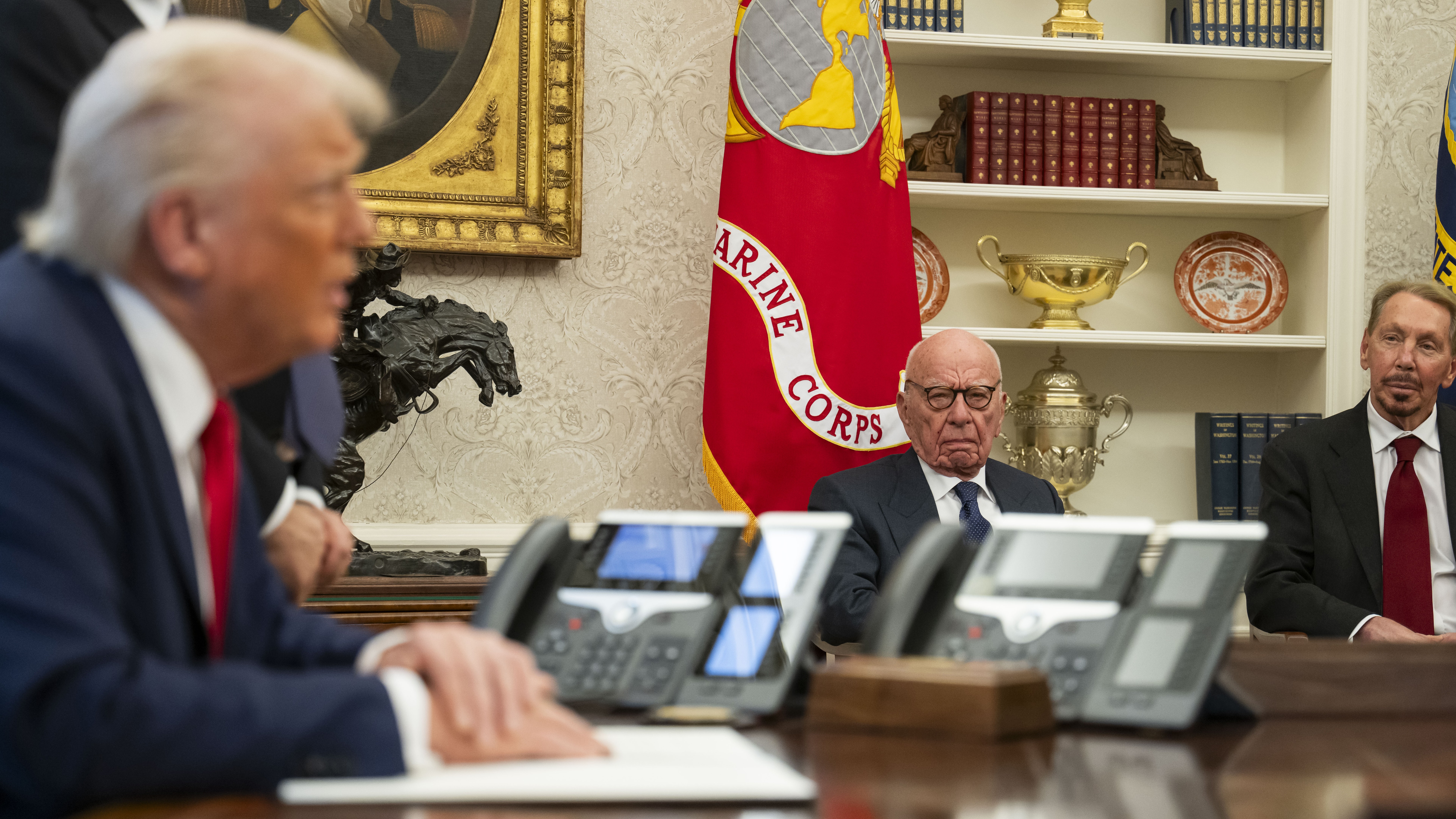
In the wake of the 2024 election, several institutions made the strategic decision to align themselves with the "MAGA" movement, a political phenomenon largely associated with former President Donald Trump and his supporters. This alignment, which likely aimed to capitalize on perceived political momentum or secure favorable access and regulatory environments, is now widely being viewed as a shortsighted miscalculation. The rapid shift in both public and political sentiment following the election has quickly rendered these affiliations disadvantageous, highlighting the inherent volatility of political maneuvering and the significant risks associated with aligning with specific, and potentially transient, political factions.
The "MAGA" movement, which gained significant traction during Donald Trump's presidency (2017-2021) and continued to be a potent force in Republican politics, represents a distinct ideological and demographic base. Institutions that embraced this platform post-2024 likely anticipated a sustained period of influence or a favorable policy landscape. However, the subsequent political climate has evidently not unfolded in a manner that validates these initial strategic calculations. This perceived misjudgment suggests a failure to accurately forecast the trajectory of political influence and evolving public opinion in the immediate post-election period. The 2024 election cycle, therefore, serves as a critical case study in the perils of premature or poorly calculated political endorsements, demonstrating that immediate post-election advantages can swiftly transform into significant liabilities.
The consequences for these institutions are multifaceted and potentially severe. Reputational damage is a primary concern, as public trust can erode when affiliations are perceived as opportunistic or out of step with broader societal values. Institutions that publicly championed the MAGA platform may find themselves alienated from significant segments of the population, including potential customers, partners, and employees. Furthermore, such alignments can invite increased scrutiny from regulatory bodies, advocacy groups, and the media, potentially leading to unfavorable investigations or public campaigns. The swiftness with which these alliances have soured underscores a critical need for organizations to develop more agile, data-driven, and forward-thinking strategies for navigating the complex and often unpredictable political landscape. Robust political risk assessment, which considers a wider range of potential outcomes and societal shifts, is paramount for any entity seeking to leverage political affiliations for institutional or business gain.
Original source — read the full reporting at the publisher:
Read on The AtlanticGet the weekly AI digest
AI news + new model releases, weekly. Drafted by our agents, reviewed by humans.