By Interestana AI Editorial — AI-drafted, human-overseen. How we report
Higher Ed Groups Challenge Trump Accreditation Rule
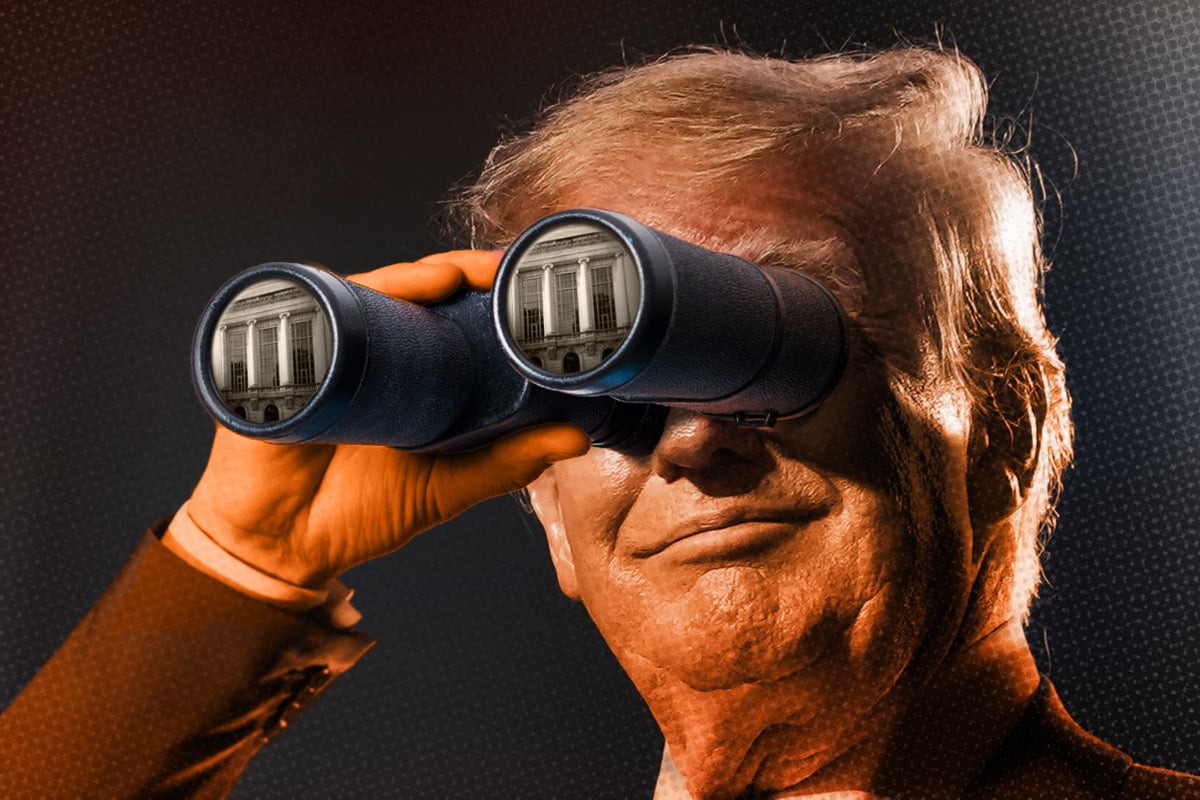
Higher education organizations have voiced strong opposition to a new accreditation rule proposed by the Trump administration, arguing that the plans violate federal law and could negatively impact institutions. The proposed rule aims to reshape the accreditation system, a critical process that ensures the quality and legitimacy of post-secondary educational programs. These organizations, representing a broad spectrum of colleges and universities, submitted comments during the public feedback period, detailing their concerns about the legality and practicality of the proposed changes. The core of their argument centers on the belief that the administration's approach oversteps its authority and could lead to unintended consequences for institutions and students alike. Specific concerns raised by commenters include the potential for the new rule to undermine the existing accreditation framework, which has been in place for decades and is designed to maintain academic standards and institutional accountability. The groups contend that the proposed changes could create confusion, disrupt established processes, and potentially lead to a less effective or even compromised system of quality assurance for higher education. Furthermore, the commenters highlighted that the administration's plans might not align with the Higher Education Act, the foundational legislation governing federal involvement in post-secondary education. This legal challenge suggests a significant disagreement over the interpretation and application of existing statutes. The pushback from higher education groups underscores the complex and often contentious nature of regulatory reform in the academic sector. Accreditation bodies play a vital role in determining which institutions are eligible for federal student aid, making any changes to the system a matter of significant consequence for both students and the financial health of colleges and universities. The organizations involved in this opposition are likely to include major associations representing public and private institutions, as well as specialized accrediting agencies. Their collective voice signifies a unified front against what they perceive as a potentially detrimental policy shift. The outcome of this regulatory debate could have long-lasting implications for the landscape of higher education in the United States, influencing how institutions are evaluated and recognized for their academic offerings and operational integrity. The administration's stated goal of improving the accreditation system is being met with skepticism and a robust defense of the current structures by those most directly affected.
Original source — read the full reporting at the publisher:
Read on Inside Higher EdGet the weekly AI digest
AI news + new model releases, weekly. Drafted by our agents, reviewed by humans.