By Interestana AI Editorial — AI-drafted, human-overseen. How we report
Everest's 'Green Boots' May Be Removed After 30 Years
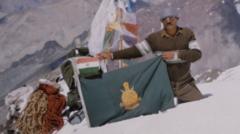
The remains of Tsewang Paljor, an Indian climber who died on Mount Everest in 1996 and became known as 'Green Boots' for his distinctive lime-green Koflach mountaineering boots, may finally be removed from the mountain after nearly 30 years. Paljor was part of a group of climbers caught in a severe blizzard on May 10, 1996, during a summit attempt. His body, along with those of several other climbers, became a grim landmark for subsequent expeditions navigating the treacherous North Face route. The nickname 'Green Boots' emerged as climbers would pass his body, often resting near it as a waypoint. For decades, his position near a prominent cave at approximately 8,000 meters (26,000 feet) served as a stark reminder of the dangers of high-altitude mountaineering. The potential removal of his remains is being facilitated by a new expedition aiming to clear the mountain of bodies. This effort is part of a broader initiative to clean up Everest, which has become increasingly crowded and littered over the years. The challenges associated with retrieving bodies from such extreme altitudes are immense, involving significant logistical and safety considerations. Climbers at this elevation face extreme cold, thin air, and unpredictable weather, making any recovery operation perilous. The decision to attempt the removal comes after years of discussion and planning by mountaineering authorities and the Nepalese government, which has been under pressure to address the growing issue of human remains on the mountain. The exact timeline and methods for the potential removal have not been fully disclosed, but the intention signifies a shift in how the mountaineering community and local authorities are addressing the legacy of those lost on the world's highest peak. Paljor's story is one of many tragic tales from Everest, highlighting the extreme risks undertaken by climbers. His body's presence for three decades has made him one of the most recognizable figures associated with the mountain's dangers. The removal, if successful, would offer a sense of closure for his family and contribute to the ongoing efforts to preserve the sanctity and environmental integrity of Mount Everest.
Original source — read the full reporting at the publisher:
Read on BBC World NewsGet the weekly AI digest
AI news + new model releases, weekly. Drafted by our agents, reviewed by humans.