By Interestana AI Editorial — AI-drafted, human-overseen. How we report
Labor Day Holiday: What's Open and Closed
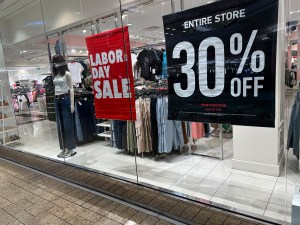
Labor Day, a federal holiday observed on the first Monday of September, originated in the late 19th century as a tribute to American workers. The first official Labor Day celebration occurred in New York City on September 5, 1882, featuring a parade of approximately 10,000 workers organized by the Central Labor Union and the Knights of Labor. Following this, several cities and states began enacting laws to recognize the holiday. It wasn't until 1894 that President Grover Cleveland signed a congressional act officially establishing the first Monday in September as a legal holiday across the United States. While the holiday is intended to honor laborers, its observance typically results in closures for many public services and financial institutions. Government offices, including federal and state buildings, post offices, and courts, are closed. Educational institutions, such as schools and universities, also cease operations for the day. Financial markets, including U.S. stock exchanges, observe the holiday by closing their doors. Major courier services like FedEx and UPS generally suspend their standard pickup and delivery operations, though some critical services might still be available at select locations. In contrast to public services and financial institutions, most consumer-facing businesses remain open on Labor Day. Major national retailers and grocery stores typically operate on their regular schedules, with many participating in promotional sales events to attract shoppers. Warehouse membership clubs like Costco, however, will be closed on Labor Day. Consumers are advised to verify specific store hours, as they can vary by location. Despite the holiday, millions of Americans are expected to travel for the last significant summer getaway weekend. This surge in travel occurs even as many schools have resumed classes and fuel prices have increased, partly attributed to geopolitical events in Iran. According to AAA, airfare prices for domestic destinations have risen by nearly 20% compared to the previous year. Hotel rates have also seen an increase. The average price for a gallon of regular gasoline in the U.S. is just under $4.10, representing a 90-cent increase from the same period last year. For those opting for sea travel, AAA reports that cruises departing from U.S. ports have experienced a price increase of approximately 4%.
Original source — read the full reporting at the publisher:
Read on FortuneGet the weekly AI digest
AI news + new model releases, weekly. Drafted by our agents, reviewed by humans.