By Interestana AI Editorial — AI-drafted, human-overseen. How we report
Night Owls Face Workplace Challenges, Science Shows
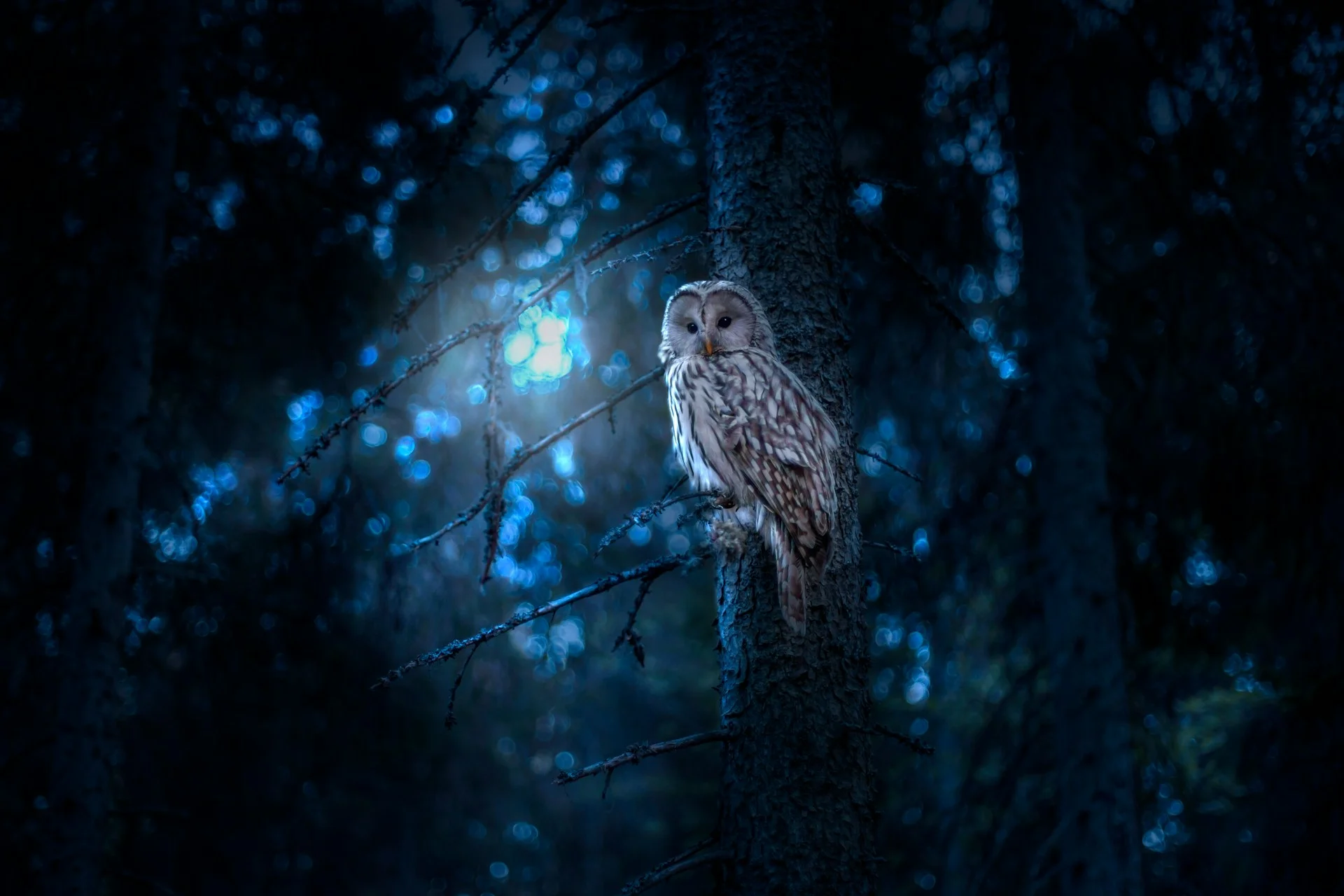
Individuals who identify as "night owls," meaning they naturally have a later sleep-wake cycle, frequently encounter significant challenges within the conventional 9-to-5 workday structure. Scientific studies have consistently demonstrated that these chronotypes, characterized by a preference for later bedtimes and wake times, often experience a mismatch between their internal biological clocks and the demands of a typical work schedule. This misalignment can lead to a cascade of negative effects impacting their professional performance, overall mood, and physical health.
Research published in journals such as Chronobiology International has detailed how night owls often exhibit lower alertness and cognitive function during morning work hours compared to their "early bird" counterparts. This reduced morning performance can translate into difficulties with tasks requiring high concentration, problem-solving, and decision-making early in the day. Consequently, night owls may feel they are not performing at their best, leading to potential career stagnation or dissatisfaction. The pressure to conform to early start times can also exacerbate feelings of stress and anxiety, as individuals are constantly fighting their natural biological rhythms.
Beyond work performance, the chronic disruption of sleep patterns associated with forcing a night owl into an early schedule can have serious health implications. Studies have linked this circadian misalignment to an increased risk of various health issues, including metabolic disorders like diabetes and obesity, cardiovascular problems, and mental health conditions such as depression and anxiety. The social jetlag experienced by night owls, where their weekend sleep patterns often differ significantly from their weekday routines, further compounds these health risks. This persistent internal conflict between biological predisposition and societal expectations creates a sustained state of physiological stress.
Furthermore, the workplace environment itself can inadvertently penalize night owls. Early morning meetings, rigid start times, and the general pace of a standard workday are often optimized for individuals with earlier chronotypes. This can lead to night owls feeling overlooked for opportunities or being perceived as less dedicated or productive, despite their potential for high performance during their natural peak hours later in the day. Some research suggests that flexible work arrangements, such as adjusted start and end times or remote work options, could significantly mitigate these negative impacts, allowing night owls to better align their work with their biological rhythms and improve their overall well-being and productivity.
Original source — read the full reporting at the publisher:
Read on Inc.Get the weekly AI digest
AI news + new model releases, weekly. Drafted by our agents, reviewed by humans.