By Interestana AI Editorial — AI-drafted, human-overseen. How we report
Autobahn Speeds Significantly Reduce EV Range
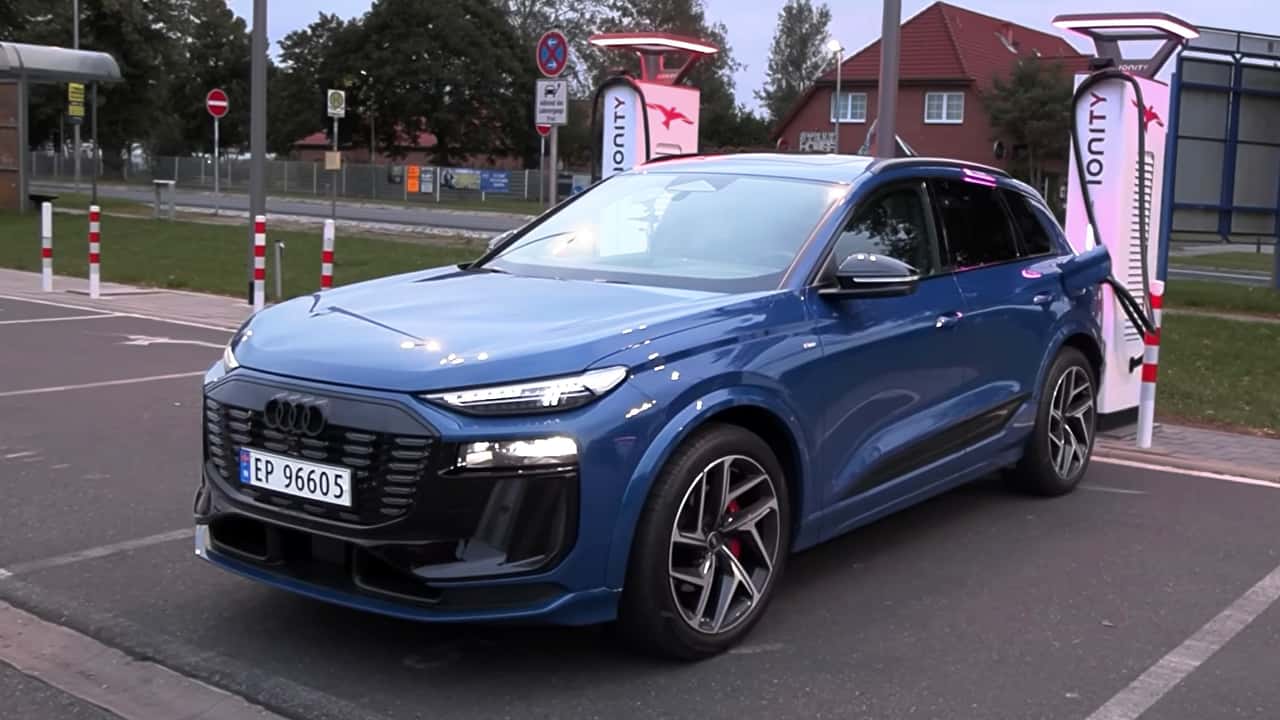
Sustained high-speed driving on German Autobahns, often exceeding 100 mph (160 km/h), demonstrably reduces the range of electric vehicles (EVs) significantly. This phenomenon is primarily attributed to increased aerodynamic drag, which requires more energy to overcome at higher velocities. The energy expenditure escalates exponentially with speed, meaning that pushing an EV to its limits on the Autobahn consumes battery power at a much faster rate than typical highway cruising speeds.
While specific figures vary considerably based on the EV model, battery capacity, and external factors like temperature and elevation, the impact is substantial. For instance, a vehicle that might achieve a rated range of 300 miles (480 km) under more moderate conditions could see its effective range drop to as low as 150 miles (240 km) or even less when driven consistently at speeds above 100 mph. This substantial reduction highlights the trade-off between performance and efficiency at extreme speeds. The increased energy demand is not only due to overcoming air resistance but also due to the higher rotational speeds of the motor and associated drivetrain components, which can also lead to increased heat generation and further energy loss.
Factors influencing the degree of range reduction include the vehicle's aerodynamic design, its battery's thermal management system, and the overall efficiency of its powertrain. Larger, less aerodynamic vehicles with higher rolling resistance tires tend to suffer more pronounced range degradation at high speeds compared to smaller, more aerodynamically optimized models. Furthermore, colder ambient temperatures can exacerbate the issue, as batteries become less efficient and require more energy for heating, further depleting the available charge. The Autobahn's lack of speed limits in many sections provides a unique testing ground for these effects, revealing the practical limitations of current EV technology when pushed to its performance envelope.
Drivers considering long-distance travel on unrestricted highways should be aware of these range limitations. Planning charging stops becomes crucial, and understanding the vehicle's real-world range under high-speed conditions is essential for avoiding range anxiety. The data gathered from such driving scenarios provides valuable insights for EV manufacturers in optimizing battery technology, aerodynamic efficiency, and powertrain management systems for a wider range of driving conditions. This information is also vital for consumers making informed purchasing decisions and for developing realistic expectations about EV performance.
Original source — read the full reporting at the publisher:
Read on InsideEVsGet the weekly AI digest
AI news + new model releases, weekly. Drafted by our agents, reviewed by humans.