By Interestana AI Editorial — AI-drafted, human-overseen. How we report
Trump Pauses Iran Strikes Amidst Shifting War Strategy
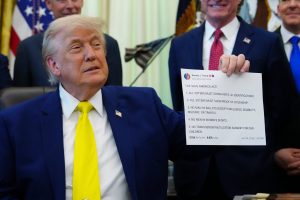
President Donald Trump announced on Saturday that he would halt planned attacks against Iran, pending renewed negotiations aimed at de-escalating the five-month conflict and resuming cargo traffic through the Strait of Hormuz. This decision marks the latest instance in a recurring pattern of the U.S. president announcing significant military actions against Iran, only to later postpone or cancel them. These abrupt shifts have become a defining characteristic of the ongoing war, which has led to substantial increases in the prices of oil and essential goods. The announcements of paused strikes have frequently been followed by renewed attacks within days or even hours.
This pattern of on-again, off-again strikes has had tangible consequences. For example, on April 7, less than two hours before a self-imposed deadline for Iranian capitulation, Trump announced a two-week ceasefire. This agreement followed intense fighting that began on February 28 with Israeli and U.S. attacks. The ceasefire was intended to end the conflict, but it was later extended indefinitely on April 21, with Trump stating that mediators had requested he hold off on attacks to allow Iranian leaders time to formulate new proposals. However, this fragile truce ultimately lasted only until May 8, when the U.S. carried out strikes on Iranian tankers.
Further illustrating this trend, on May 18, after a weekend of severe threats, Trump indicated a pause on a major planned military strike, citing "serious negotiations" underway. He expressed a preference for resolving the situation without military action, stating, "If we can do that without bombing the hell out of them, I’d be very happy." Despite this statement, U.S. strikes resumed by May 27 after negotiations failed to yield an agreement. More recently, on June 11, following two days of retaliatory attacks, Trump threatened further escalation, vowing to hit Iran "VERY HARD TONIGHT" and asserting "total control" over its oil and gas industries. However, just a few hours later, Trump posted on social media, signaling another potential shift in strategy.
The fluctuating U.S. approach to the conflict has created uncertainty in global energy markets, contributing to price volatility for oil and other commodities. The disruption of trade routes, particularly through the Strait of Hormuz, a critical chokepoint for global oil shipments, has also exacerbated economic concerns. The repeated announcements and subsequent reversals by the Trump administration highlight a dynamic and often unpredictable U.S. foreign policy stance regarding Iran, with significant implications for regional stability and international commerce.
Original source — read the full reporting at the publisher:
Read on FortuneGet the weekly AI digest
AI news + new model releases, weekly. Drafted by our agents, reviewed by humans.