By Interestana AI Editorial — AI-drafted, human-overseen. How we report
Electric Cars Unrelated to Current Global Oil Conflicts
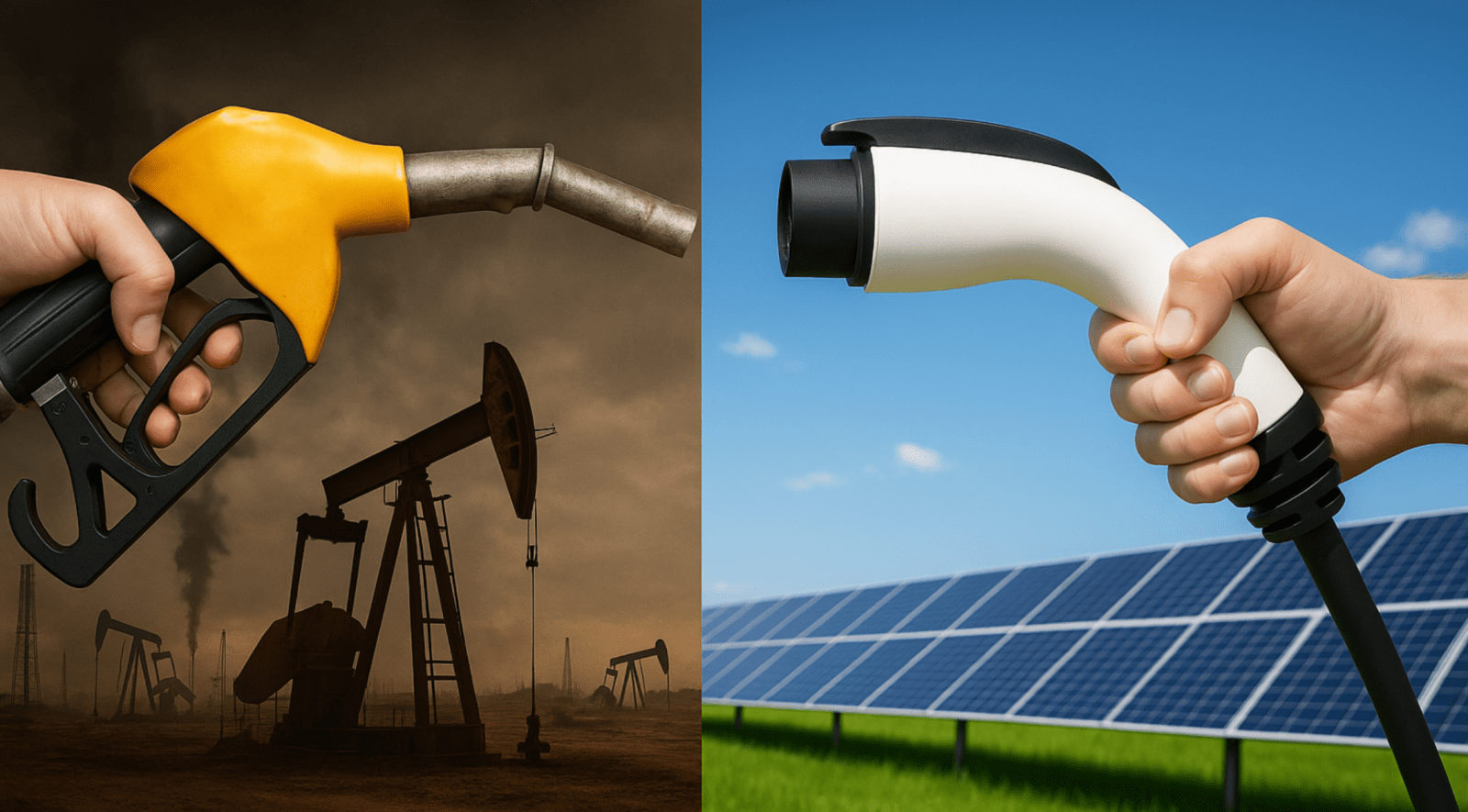
Global conflicts impacting oil availability, such as the ongoing six-month war affecting the Strait of Hormuz, are demonstrably unrelated to the increasing adoption and development of electric vehicles (EVs). The Strait of Hormuz, a critical chokepoint for global oil shipments, has experienced significant disruptions, yet this situation and other geopolitical tensions surrounding oil production and supply chains do not stem from or influence the demand for electric cars. The narrative that electric cars are a factor in these oil-related conflicts is a misconception, as the drivers for EV adoption are primarily environmental concerns, technological advancements, and energy independence from fossil fuels, rather than a direct response to current oil market volatility or geopolitical instability.
The current geopolitical landscape presents several flashpoints that affect oil supply and prices. The closure of the Strait of Hormuz, for instance, highlights the fragility of oil transport routes. This waterway is responsible for a significant portion of the world's oil transit, and its inaccessibility directly impacts global supply. However, the reasons behind this specific conflict are rooted in regional political disputes and military actions, with no discernible connection to the automotive industry's shift towards electrification. Similarly, other conflicts or tensions in oil-producing regions, whether in the Middle East, Africa, or elsewhere, are driven by local or regional political dynamics, resource control, or internal strife, and do not involve the electric vehicle sector as a causal or consequential element.
The transition to electric vehicles is a multifaceted phenomenon driven by a confluence of factors. Governments worldwide are implementing policies to reduce carbon emissions and combat climate change, incentivizing EV purchases and mandating the phase-out of internal combustion engine vehicles. Technological progress has led to improved battery range, faster charging times, and more affordable EV models, making them increasingly practical for consumers. Furthermore, the desire for energy security and reduced reliance on volatile global oil markets is a significant motivator for both consumers and nations investing in electric mobility. These underlying drivers for EV adoption operate independently of the specific geopolitical conflicts that currently affect the oil market. The demand for oil is still substantial, supporting the continued relevance of these conflicts, but this demand is not being significantly eroded by the current pace of EV integration to the extent that it would be a primary cause of these specific oil-related wars.
Therefore, any assertion linking the current oil wars to the rise of electric cars is factually inaccurate. The conflicts are products of long-standing geopolitical issues, regional power struggles, and historical grievances that predate the widespread commercialization of EVs. The growth of the electric vehicle market, while a significant trend in the automotive and energy sectors, is a separate development driven by environmental, technological, and economic considerations. Its impact on global oil demand is a gradual process that does not explain or contribute to the immediate causes of current oil-related military or political conflicts. The focus on electric cars as a factor in these wars overlooks the complex and often deeply entrenched political and economic reasons behind oil market disruptions.
Original source — read the full reporting at the publisher:
Read on ElectrekGet the weekly AI digest
AI news + new model releases, weekly. Drafted by our agents, reviewed by humans.