By Interestana AI Editorial — AI-drafted, human-overseen. How we report
Pentagon Dysfunction Grows Amidst Secretary Resignations
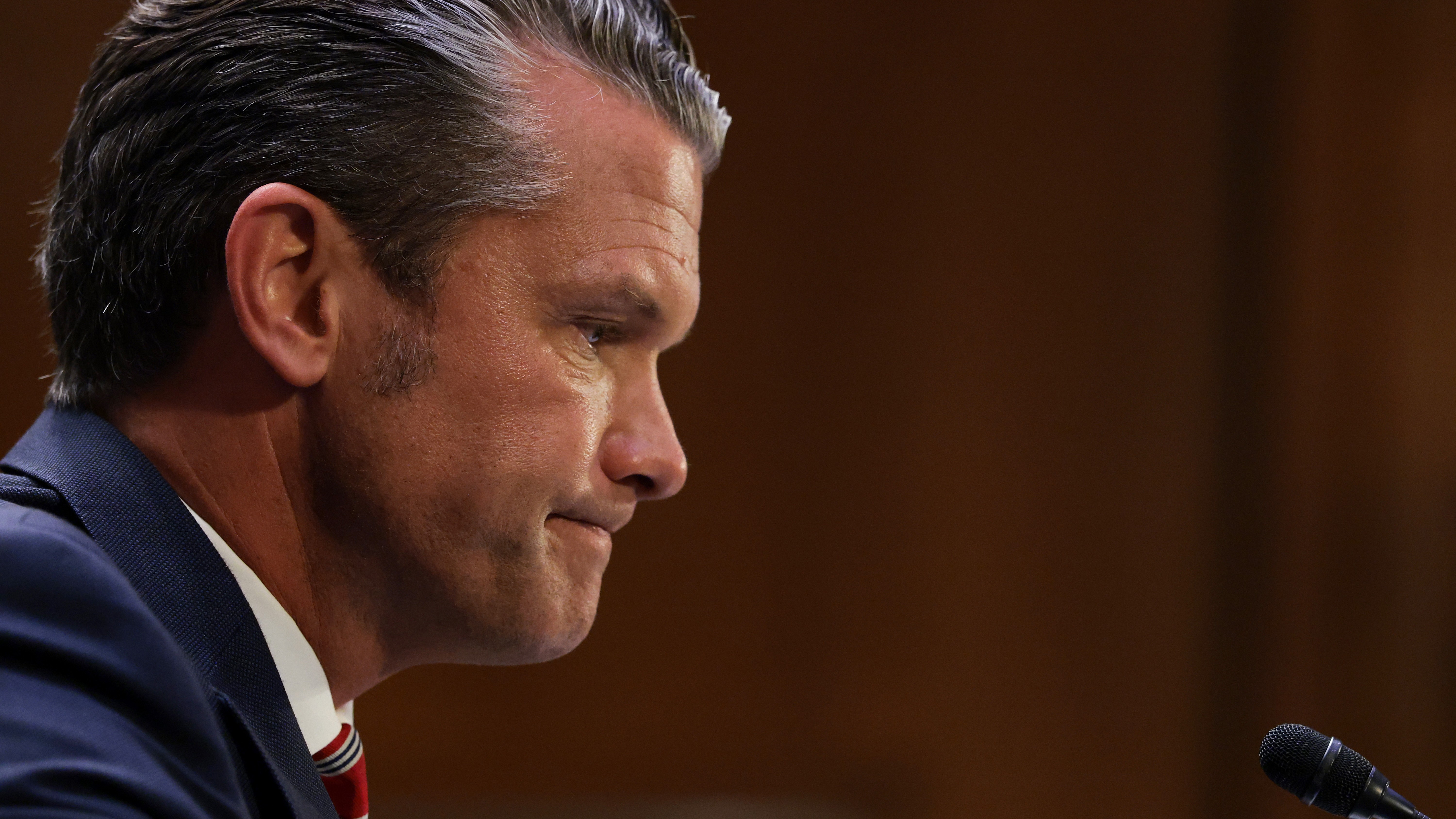
The U.S. Department of Defense is experiencing significant dysfunction, evidenced by the recent resignation of Army Secretary Dan Driscoll. This departure marks the latest in a series of high-profile exits from key leadership positions within the Pentagon, signaling a period of instability and operational challenges. The continuous turnover in leadership raises concerns about the continuity of strategic initiatives and the overall effectiveness of the department in addressing national security threats. The specific reasons for Driscoll's resignation were not immediately detailed, but it follows a pattern of leadership changes that have characterized the Defense Department in recent months. This trend suggests underlying issues within the department's management and operational frameworks, potentially impacting morale and the execution of its mission. The Pentagon, as the central command for the U.S. military, requires stable and consistent leadership to effectively manage its vast resources, personnel, and complex global operations. Frequent changes at the secretary level can disrupt long-term planning, hinder the implementation of new policies, and create uncertainty among military personnel and allied nations. The implications of this ongoing dysfunction extend to budgetary decisions, procurement processes, and the readiness of U.S. forces. Analysts suggest that the current climate of frequent resignations could be attributed to a variety of factors, including political pressures, bureaucratic hurdles, and the demanding nature of leading a global military apparatus. The lack of sustained leadership in critical roles may also affect the department's ability to adapt to evolving geopolitical landscapes and technological advancements. Furthermore, the public perception of the Defense Department's stability and competence can influence international relations and the confidence of allies. The repeated departures of senior officials create a narrative of internal turmoil, which could be exploited by adversaries. Addressing these systemic issues will likely require a comprehensive review of the department's leadership structures, internal communication channels, and the support mechanisms available to its top officials. The stability of the Defense Department is paramount to maintaining national security, and the current trajectory indicates a pressing need for corrective actions to restore confidence and ensure effective governance. The resignation of Army Secretary Dan Driscoll is not an isolated incident but rather a symptom of broader challenges that the Pentagon must confront to ensure its continued operational effectiveness and strategic coherence in a complex global security environment. The cumulative effect of these leadership changes could impede the department's ability to fulfill its constitutional mandate and protect U.S. interests worldwide.
Original source — read the full reporting at the publisher:
Read on The AtlanticGet the weekly AI digest
AI news + new model releases, weekly. Drafted by our agents, reviewed by humans.