By Interestana AI Editorial — AI-drafted, human-overseen. How we report
Hegseth Critiques Military Superiority Cult
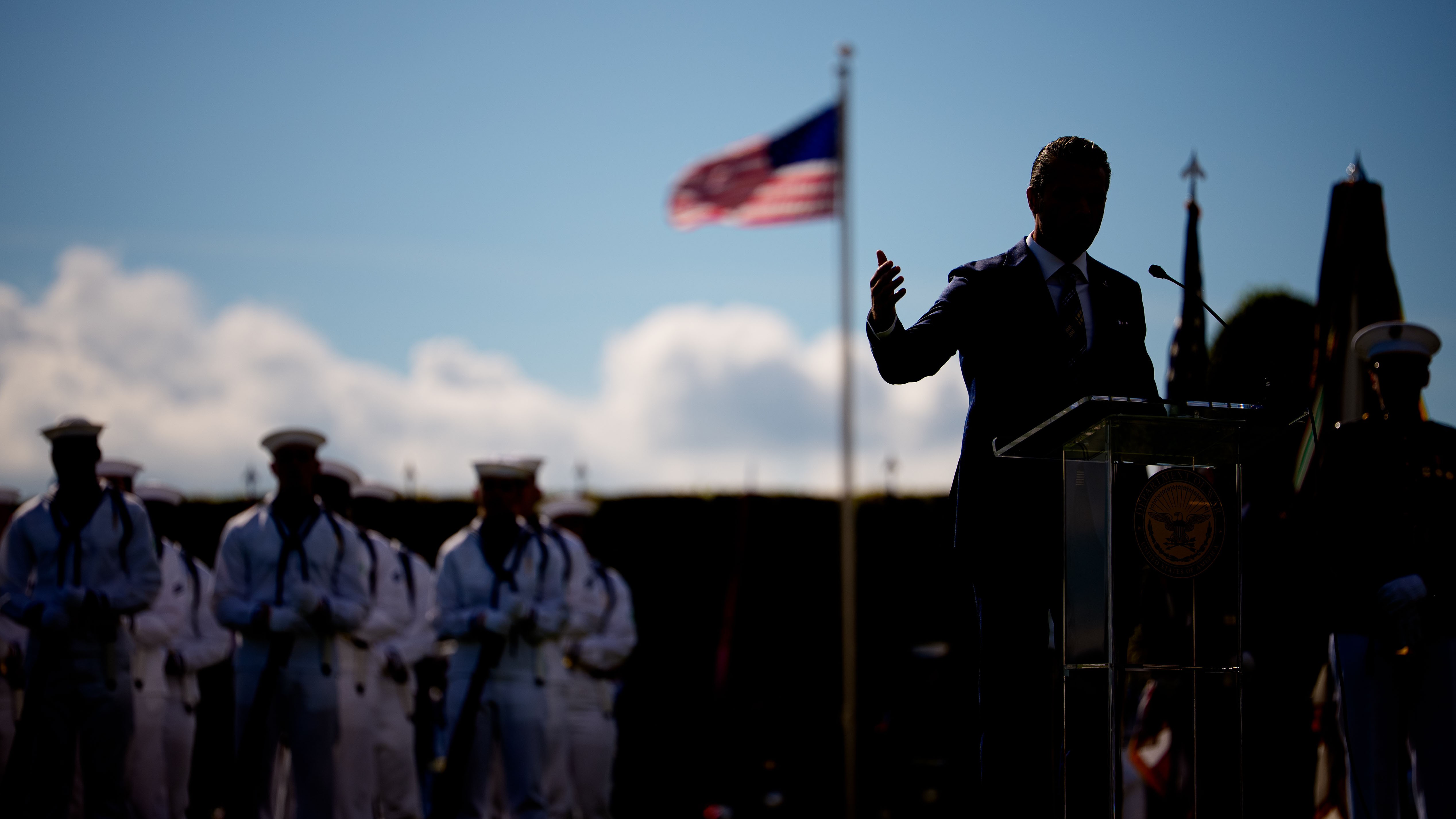
Pete Hegseth, a former U.S. Army officer and media personality, has articulated a critical stance against what he describes as a "cult of military superiority over civilians." Hegseth contends that this mindset is not only unjustified but also poses significant dangers to democratic governance and societal balance. His argument centers on the principle that civilian authority must remain paramount, asserting that any elevation of military influence above civilian control is inherently problematic.
Hegseth's critique implies a concern that an overemphasis on military prowess or the perceived unique insights of military personnel can lead to a devaluing of civilian perspectives and expertise. This can manifest in various ways, including policy decisions that disproportionately favor military solutions, a reluctance to question military strategies, or a general deference to military leadership that bypasses necessary civilian checks and balances. He suggests that this cult of superiority can foster an environment where military leaders may feel entitled to greater autonomy or influence than is appropriate in a democratic society.
The core of Hegseth's position is the defense of democratic norms, which necessitate that elected civilian officials, accountable to the public, hold ultimate decision-making power. This includes oversight of the military, budgeting, and strategic direction. He posits that a military that views itself as inherently superior to the civilian populace risks becoming detached from the very society it is sworn to protect and serve. Such detachment can erode public trust and undermine the democratic foundations of the nation. Hegseth's commentary serves as a call for vigilance in maintaining the proper relationship between the armed forces and the civilian government, emphasizing the need for robust civilian oversight to prevent the unchecked growth of military influence.
This perspective is particularly relevant in discussions surrounding national security, defense spending, and the role of the military in domestic affairs. Hegseth's argument suggests that while the military's role is vital, its operational effectiveness and strategic direction must always be guided by civilian leadership that reflects the broader will and interests of the citizenry. The danger he highlights lies in the potential for a military-centric worldview to eclipse democratic principles, leading to policies and actions that are not in the best interest of the nation as a whole. His stance underscores the importance of continuous dialogue and institutional safeguards to ensure that civilian control over the military remains an unassailable tenet of governance.
Original source — read the full reporting at the publisher:
Read on The AtlanticGet the weekly AI digest
AI news + new model releases, weekly. Drafted by our agents, reviewed by humans.