By Interestana AI Editorial — AI-drafted, human-overseen. How we report
Art Exhibit Imagines Life If Emmett Till Had Lived
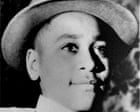
An art exhibition titled "If Emmett Till Lived: Freedom on American Ground" opened at the Museum of Contemporary Photography in Chicago, running until December. This exhibit presents an imagined photographic archive that explores the life Emmett Till might have lived had he not been brutally murdered in 1955. The exhibition aims to shift the national commemoration of Till from his death to a contemplation of his potential life and legacy.
Co-curated by Sarah Elizabeth Lewis, a Harvard professor and founder of the Vision & Justice initiative, and Reverend Wheeler Parker Jr., Emmett Till's cousin, best friend, and the last surviving witness to his kidnapping, the exhibit poses critical questions about historical memory and national identity. It challenges the country to consider who is remembered on American soil and how its history is perceived. The exhibition's premise directly confronts the ongoing contestation surrounding how the US honors Till's memory, a memory often marred by violence and desecration, as evidenced by previous commemorative markers being shot at, stolen, and exploited by white supremacist groups.
The core of the exhibition lies in its imagined photo library, which visually constructs a narrative of Till's potential life. Through these artistic representations, the curators invite viewers to engage with the profound impact of racism in America and to consider the broader implications of racial violence on Black lives and potential. The exhibit is framed as a celebration of Black creativity, using art as a medium to reckon with systemic racism and its historical consequences.
Emmett Till was a 14-year-old African American boy from Chicago who was brutally murdered in Mississippi in August 1955. His lynching, after he was accused of offending a white woman, became a pivotal moment in the burgeoning Civil Rights Movement. The horrific nature of his death and the subsequent acquittal of his murderers by an all-white jury galvanized public opinion and highlighted the deep-seated racial injustice prevalent in the American South. The exhibition's focus on an alternate reality where Till survived seeks to honor his life and the potential contributions he might have made, while simultaneously serving as a powerful reminder of the lives lost and futures extinguished by racial hatred and violence. The Vision & Justice initiative, founded by Lewis, is dedicated to exploring the intersection of art, justice, and visual culture, further underscoring the exhibition's commitment to using creative expression for social commentary and change.
Original source — read the full reporting at the publisher:
Read on The Guardian CultureGet the weekly AI digest
AI news + new model releases, weekly. Drafted by our agents, reviewed by humans.