By Interestana AI Editorial — AI-drafted, human-overseen. How we report
EV Charger Dispute: Chevy Bolt Owner Billed $418 at Hyundai Dealer
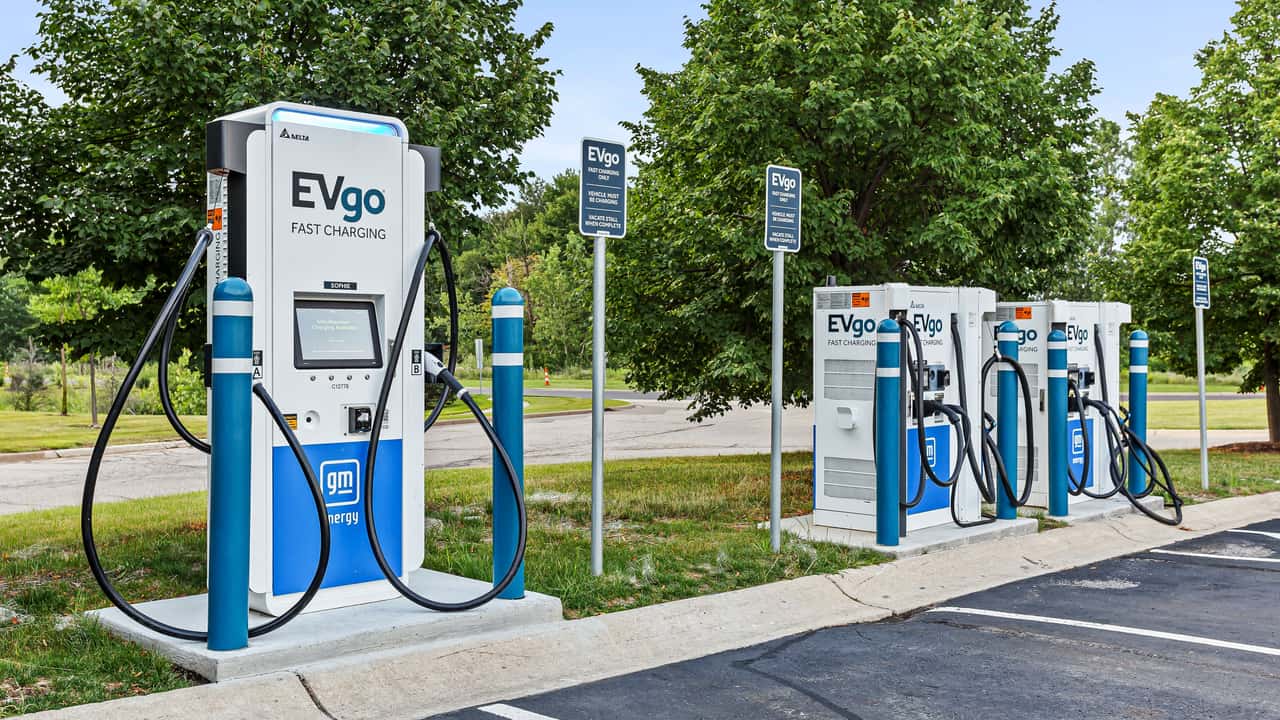
An electric vehicle owner encountered an exceptionally high charging bill of $418 after charging a Chevrolet Bolt at a Hyundai dealership, a rate described as the most absurd electricity price encountered. This incident, which occurred recently, underscores the potential for significant discrepancies in public EV charging costs, particularly when charging at non-EV-dedicated facilities. The owner, who documented the experience, highlighted that the high charge was not an error but an intentional pricing strategy by the dealership.
The specific details of the charge indicate that the dealership was leveraging a substantial markup on the electricity consumed. While the exact kilowatt-hour (kWh) usage was not detailed in the initial report, the resulting $418 bill suggests a per-kWh rate far exceeding standard residential or even typical commercial EV charging rates. For context, average public EV charging rates can range from $0.20 to $0.60 per kWh, with some fast chargers reaching higher prices. A bill of $418 implies a rate potentially ten times higher than average, depending on the amount of energy transferred.
This event raises broader questions about the transparency and fairness of EV charging pricing across different networks and locations. As electric vehicle adoption grows, so does the reliance on public charging infrastructure. Dealerships, in particular, may see EV charging as a potential revenue stream, leading to varied pricing models. Some dealerships might offer charging as a courtesy or at cost to attract customers, while others may implement premium pricing, especially if they are one of the few charging options available in a given area. The owner's experience suggests that consumers should exercise caution and verify charging rates before initiating a session, especially at locations not primarily focused on EV services.
The incident also brings attention to the potential for confusion and frustration among EV owners navigating the evolving charging landscape. Unlike gasoline stations with relatively standardized pricing, the EV charging market is fragmented, with different providers, pricing structures (per kWh, per minute, session fees), and network access requirements. This lack of uniformity can lead to unexpected costs for consumers. The owner's experience serves as a cautionary tale, emphasizing the need for clear communication of charging rates by all providers, including automotive dealerships offering charging services.
Original source — read the full reporting at the publisher:
Read on InsideEVsGet the weekly AI digest
AI news + new model releases, weekly. Drafted by our agents, reviewed by humans.