By Interestana AI Editorial — AI-drafted, human-overseen. How we report
Figure Decommissions Humanoid Robots in Molten Steel
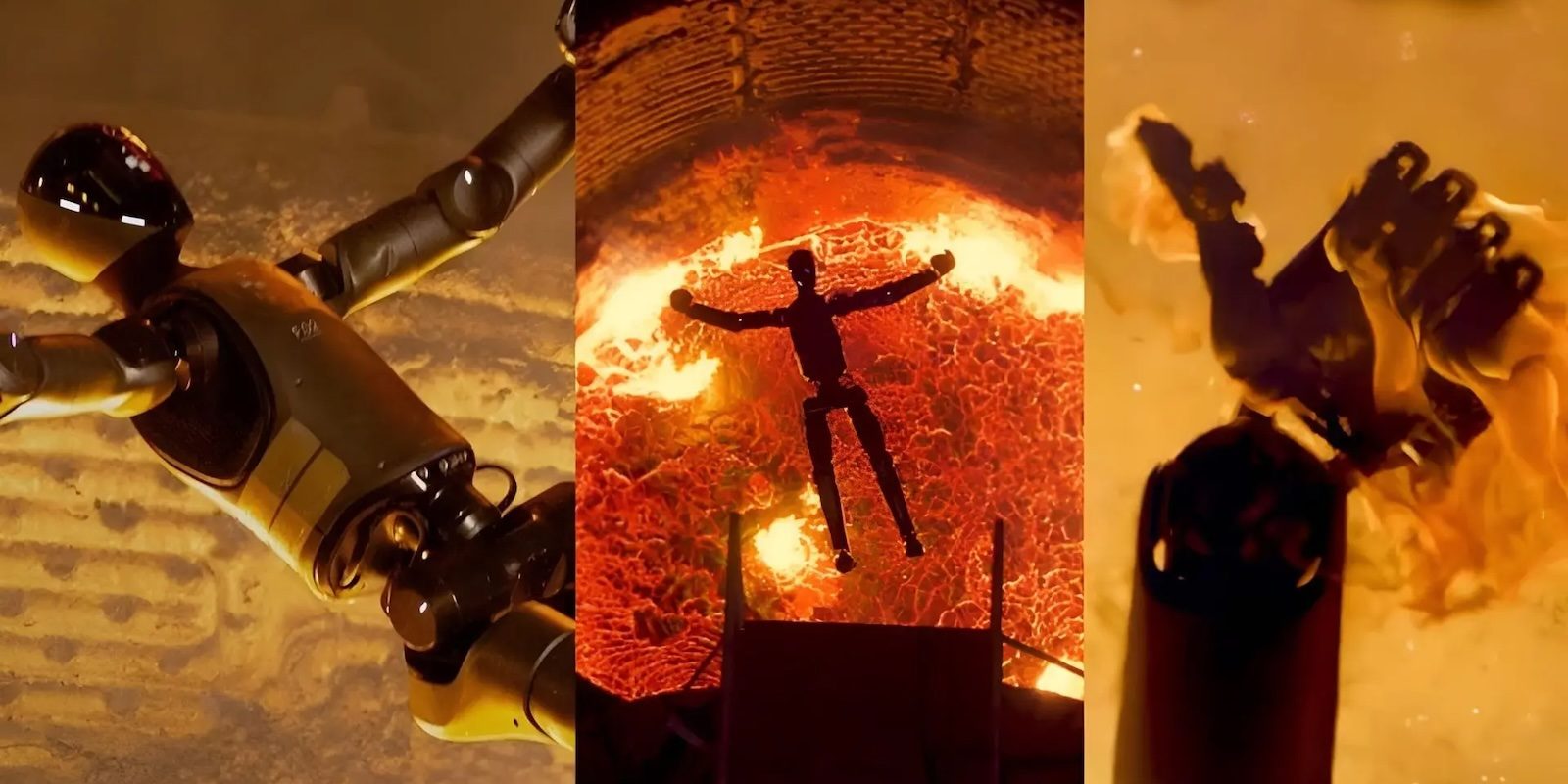
Figure, a robotics company, has decommissioned its F.02 humanoid robots by having them self-destruct in a vat of molten steel. This dramatic method, reminiscent of the "Terminator 2" film, was employed to ensure that the advanced proprietary technology embedded within the robots would not fall into the hands of competitors. The decommissioning process involved the robots being directed to a specialized facility where they were submerged into molten metal, effectively destroying all internal components and intellectual property.
This action highlights the significant challenges and security concerns associated with retiring advanced robotics, particularly those incorporating cutting-edge artificial intelligence and proprietary hardware. Companies invest heavily in developing these technologies, and safeguarding this intellectual property is paramount. The F.02 model represents a significant development in Figure's pursuit of creating general-purpose humanoid robots capable of performing a wide range of tasks. While specific details about the F.02's capabilities are not fully disclosed, the decision to implement such a destructive decommissioning protocol underscores the perceived value and sensitivity of its underlying technology.
Figure, founded by Brett Adcock, has been a prominent player in the rapidly evolving field of humanoid robotics. The company has garnered substantial attention and investment for its ambitious goals, which include deploying robots in various industries to address labor shortages and enhance productivity. Prior to this decommissioning event, Figure had announced collaborations and partnerships aimed at integrating its robots into real-world applications. The company's approach to robot development and deployment has been characterized by a focus on advanced AI integration and physical dexterity, aiming to create robots that can operate safely and effectively alongside humans.
The "Terminator 2"-style self-destruction method, while visually striking, serves a critical business purpose: preventing the reverse-engineering or theft of valuable technological innovations. In a competitive landscape where technological breakthroughs can quickly become obsolete or be replicated by rivals, such extreme measures are sometimes deemed necessary to maintain a company's market advantage. The molten steel process ensures that no salvageable parts or data can be recovered, thereby protecting Figure's investment and future development plans. This event also brings to the forefront discussions about the lifecycle management of advanced AI systems and the ethical considerations surrounding their disposal, even when the primary motivation is technological security.
Original source — read the full reporting at the publisher:
Read on ElectrekGet the weekly AI digest
AI news + new model releases, weekly. Drafted by our agents, reviewed by humans.