By Interestana AI Editorial — AI-drafted, human-overseen. How we report
Richard Russo Novels Depict Failed American Dream
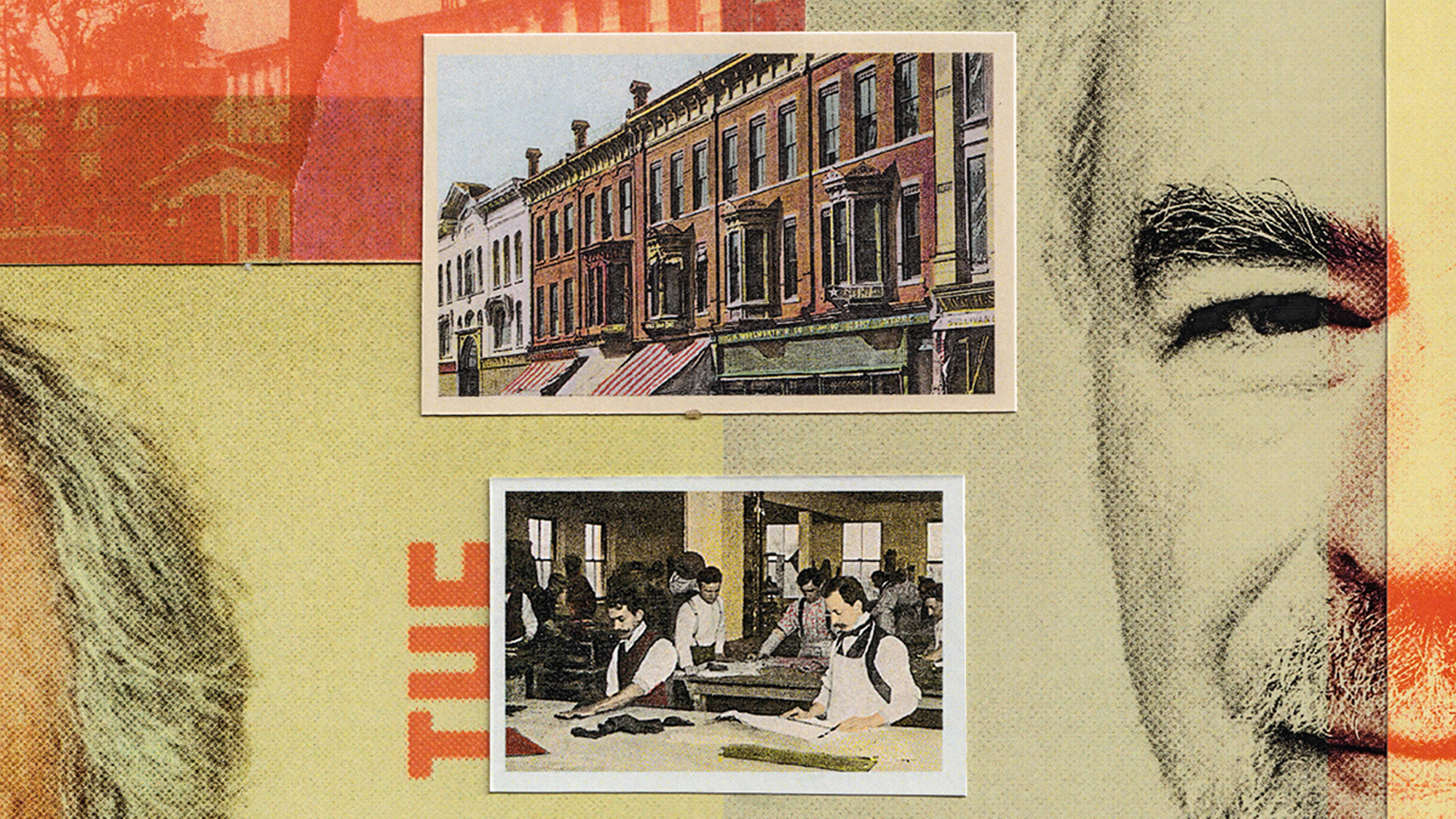
Richard Russo's literary works consistently portray a fractured and often unattainable American dream, particularly for characters residing in economically depressed, working-class towns. His narratives delve into the lives of individuals grappling with disillusionment, economic hardship, and the lingering effects of past choices. Russo's settings are often depicted as places where opportunities have dwindled, leaving residents to navigate a landscape of limited prospects and persistent challenges. The characters in his novels are frequently ordinary people, not heroes or villains, but individuals striving for dignity and a sense of purpose amidst difficult circumstances. Their struggles are not typically grand, but rather the everyday battles against financial instability, strained relationships, and the erosion of community.
Central to Russo's thematic exploration is the idea that the promise of upward mobility and prosperity, a cornerstone of the American ideal, has become a cruel joke for many. His protagonists often find themselves trapped by their circumstances, unable to escape the cycles of poverty or the limitations imposed by their social and economic backgrounds. This sense of being stuck is amplified by the decaying infrastructure and fading industries that characterize the towns he writes about. These environments serve as a stark backdrop to the characters' internal and external conflicts, underscoring the broader societal issues that contribute to their plight. The author's keen observation of human nature and his ability to imbue his characters with a profound sense of realism allow readers to connect with their struggles on an emotional level.
Russo's novels, such as "Mohawk" (1986), "The Risk Pool" (1988), "Nobody's Fool" (1993), and "Empire Falls" (2001), have garnered critical acclaim for their unflinching portrayal of American life. "Empire Falls," in particular, won the Pulitzer Prize for Fiction in 2002, solidifying Russo's reputation as a significant voice in contemporary American literature. The novel follows the life of Miles Roby, the general manager of a struggling old mill in a declining New England town, as he navigates personal relationships and the economic realities of his community. Through characters like Miles, Russo illustrates the complex interplay between individual lives and the larger forces of economic change and social stratification. His work often highlights the resilience of the human spirit, even in the face of overwhelming adversity, but without offering easy resolutions or sentimental platitudes.
The author's consistent focus on the working class and the challenges they face reflects a commitment to giving voice to those often overlooked in mainstream narratives. Russo's prose is characterized by its sharp wit, dark humor, and deep empathy, allowing him to explore profound themes with both honesty and compassion. He masterfully captures the nuances of regional dialects and the specific cultural textures of the American Rust Belt and similar areas. By centering his stories on these hardscrabble towns and their inhabitants, Richard Russo provides a critical lens through which to examine the promises and failures of the American dream, offering a poignant and enduring commentary on the nation's social and economic landscape.
Original source — read the full reporting at the publisher:
Read on The AtlanticGet the weekly AI digest
AI news + new model releases, weekly. Drafted by our agents, reviewed by humans.