By Interestana AI Editorial — AI-drafted, human-overseen. How we report
South African scientist's fungus discovery offers hope against devastating African armyworm
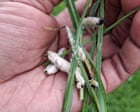
South African scientist Letodi Luki Mathulwe has achieved a significant breakthrough in the ongoing battle against the African armyworm (Spodoptera exempta), a notoriously destructive pest that inflicts substantial damage on agricultural crops across east and southern Africa. Mathulwe's pioneering research has identified a naturally occurring soil fungus that exhibits a remarkable efficacy in eradicating the armyworm caterpillars. The initial impetus for this investigation stemmed from intriguing observations of fields where large numbers of caterpillars were found dead, conspicuously enveloped in a distinctive white substance. This visual cue pointed towards a potent, naturally occurring biological control agent actively at work.
The African armyworm is a formidable adversary for farmers due to its rapid reproductive cycles and insatiable appetite. Its common name, 'armyworm,' aptly describes its characteristic behaviour: mass migrations that sweep through fields like an advancing army, consuming entire crops, including vital staples such as maize, sorghum, millet, and sugarcane, often within a mere matter of days. The economic repercussions of these infestations are profound, leading to substantial crop losses, exacerbating food insecurity, and diminishing the income of countless farmers across the African continent. Historically, the primary methods for controlling this pest have relied on synthetic pesticides. However, these chemical interventions often carry significant environmental drawbacks, including potential harm to beneficial insects and ecosystems, and contribute to the evolution of pesticide resistance in pest populations, rendering them less effective over time.
Mathulwe's discovery of this specific fungal pathogen represents a promising stride towards a more sustainable and environmentally conscious approach to pest management. This naturally occurring biological agent offers a potential alternative to the widespread use of chemical pesticides, providing a more targeted and ecologically sound method for controlling the armyworm. The implications of this research are far-reaching, potentially offering a crucial tool for enhancing crop protection, bolstering food security, and improving the economic well-being of farmers in regions heavily impacted by this pest. Further scientific inquiry and development are anticipated to focus on optimizing the application methods for the fungus, assessing its effectiveness under diverse environmental conditions, and rigorously evaluating its safety profile concerning non-target organisms. The scientific community is keenly observing the progression of this research, hopeful that it will culminate in practical, scalable solutions to one of Africa's most persistent and damaging agricultural challenges.
Original source — read the full reporting at the publisher:
Read on The Guardian WorldGet the weekly AI digest
AI news + new model releases, weekly. Drafted by our agents, reviewed by humans.