By Interestana AI Editorial — AI-drafted, human-overseen. How we report
Fuego Volcano Erupts, Spewing Lava and Ash
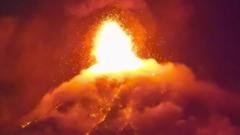
Guatemala's Fuego volcano, a prominent stratovolcano located approximately 16 kilometers (10 miles) southwest of Antigua, erupted on June 12, 2024, ejecting incandescent lava and a column of ash into the atmosphere. The eruption, which began in the early morning hours, led to the closure of a local highway and prompted evacuations in nearby communities. The National Coordinator for Disaster Reduction (CONRED) reported that ashfall was observed in several towns, including Alotenango, San Miguel Dueñas, and Ciudad Vieja. Lava flows were observed moving down the volcano's slopes, with one flow reaching approximately 500 meters (1,640 feet) in length. The eruption also generated pyroclastic flows, which are fast-moving currents of hot gas and volcanic debris, posing a significant threat to areas surrounding the volcano. Fuego is one of Central America's most active volcanoes, known for its frequent eruptions and popularity among hikers and tourists due to its dramatic landscapes and accessible trails. Its geological setting within the Central American Volcanic Arc, a region characterized by subduction of the Cocos Plate beneath the North American and Caribbean Plates, contributes to its persistent volcanic activity. CONRED advised residents to remain vigilant, follow official instructions, and prepare for potential further hazards, including lahars (volcanic mudflows) if heavy rainfall occurs. The agency also recommended that the aviation sector be aware of the ash plume to prevent potential engine damage. Local authorities established temporary shelters for displaced residents, and emergency services were mobilized to monitor the situation and provide assistance. The eruption's intensity and duration are being continuously assessed by the Guatemalan Institute of Seismology, Volcanology, Meteorology, and Hydrology (INSIVUMEH), which provides scientific data and advisories to CONRED. The economic impact on local communities, particularly those reliant on agriculture and tourism, is a growing concern. The ashfall can damage crops and affect air quality, while the ongoing volcanic activity can deter visitors. Previous significant eruptions of Fuego have resulted in widespread evacuations and considerable damage, underscoring the importance of preparedness and rapid response mechanisms. The current eruption is being monitored closely for any escalation or changes in its behavior, with particular attention paid to the potential for larger pyroclastic flows or significant ash dispersal over wider areas. The long-term implications for the surrounding environment and the safety of nearby populations are subject to ongoing scientific analysis and disaster management efforts.
Original source — read the full reporting at the publisher:
Read on BBC World NewsGet the weekly AI digest
AI news + new model releases, weekly. Drafted by our agents, reviewed by humans.