By Interestana AI Editorial — AI-drafted, human-overseen. How we report
Hummingbird Hawk-Moth Sightings Surge in UK Gardens
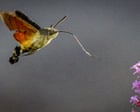
An unprecedented surge in sightings of the hummingbird hawk-moth has been observed across the United Kingdom, with members of the public reporting encounters with the distinctive insect. Luke Burstow, a software project manager from Sussex, described the moth as a “grey lump with orange wings” upon its unexpected appearance in his garden during dinner. Burstow expressed his surprise, stating he was unaware such a creature existed prior to the sighting. The hummingbird hawk-moth (Macroglossum stellatarum) is a migratory insect that typically travels to the UK from continental Europe and North Africa. This year's heightened visibility is believed to be a result of a confluence of environmental factors impacting insect populations and migration patterns across Europe. Specifically, prevailing hot weather conditions in its native European habitats are thought to have contributed to an increased breeding success or earlier departure from breeding grounds. Simultaneously, strong winds are theorized to have aided in its dispersal and pushed larger numbers further north towards the British Isles than is usual. Compounding these meteorological influences, reports suggest a scarcity of food resources, such as nectar-rich flowers, in continental Europe may be compelling these moths to seek out new feeding grounds. This phenomenon is not unique to the UK, with anecdotal evidence suggesting increased sightings in other northern European countries as well. The hummingbird hawk-moth is characterized by its rapid flight, often hovering like a hummingbird to feed on nectar from flowers, a behaviour that contributes to its common name. Its presence in gardens, particularly during daylight hours, makes it more noticeable to observers than many nocturnal moth species. Conservation organizations are monitoring the situation, noting that while increased sightings can be exciting for the public, the underlying causes—such as extreme weather and habitat changes—highlight broader ecological concerns. The long-term impact of these migratory shifts on both the moth population and native UK ecosystems remains a subject of ongoing observation and scientific inquiry. The public's engagement with these sightings, as exemplified by Burstow's experience, underscores a growing interest in local biodiversity and the effects of climate change on wildlife. Further research is expected to provide more detailed insights into the specific environmental triggers and the demographic trends of the hummingbird hawk-moth population.
Original source — read the full reporting at the publisher:
Read on The Guardian WorldGet the weekly AI digest
AI news + new model releases, weekly. Drafted by our agents, reviewed by humans.