By Interestana AI Editorial — AI-drafted, human-overseen. How we report
Great Barrier Reef Microbiome Mapped, 500 New Bacterial Species Found
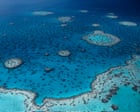
Researchers have mapped the microbiome of the Great Barrier Reef, identifying over 360,000 distinct viruses and more than 500 new bacterial species previously unknown to science. This comprehensive mapping effort analyzed DNA from seawater samples collected from 48 different reefs across the iconic marine ecosystem. The discovery follows a decade after the human microbiome was similarly mapped, marking a significant advancement in understanding microbial life in complex natural environments.
The study documented 808,585 viral genomes, which scientists estimate represent approximately 362,802 different viruses. This extensive catalog provides unprecedented insight into the viral diversity within the reef. The identification of over 500 novel bacterial species further highlights the unexplored biodiversity present in this critical habitat. These findings are crucial for understanding the ecological health and resilience of the Great Barrier Reef, especially in the face of environmental challenges.
The research involved a detailed analysis of genetic material from seawater samples, allowing scientists to reconstruct the complex web of microbial life that inhabits the reef. This initiative expands our knowledge of marine microbial communities and their roles in ecosystem functioning. The data generated will be invaluable for future conservation efforts and scientific investigations into coral reef health and the impact of climate change on these delicate environments.
Original source — read the full reporting at the publisher:
Read on The Guardian EnvironmentGet the weekly AI digest
AI news + new model releases, weekly. Drafted by our agents, reviewed by humans.