By Interestana AI Editorial — AI-drafted, human-overseen. How we report
Gray Whales Starving Due to Arctic Warming, Scientists Warn
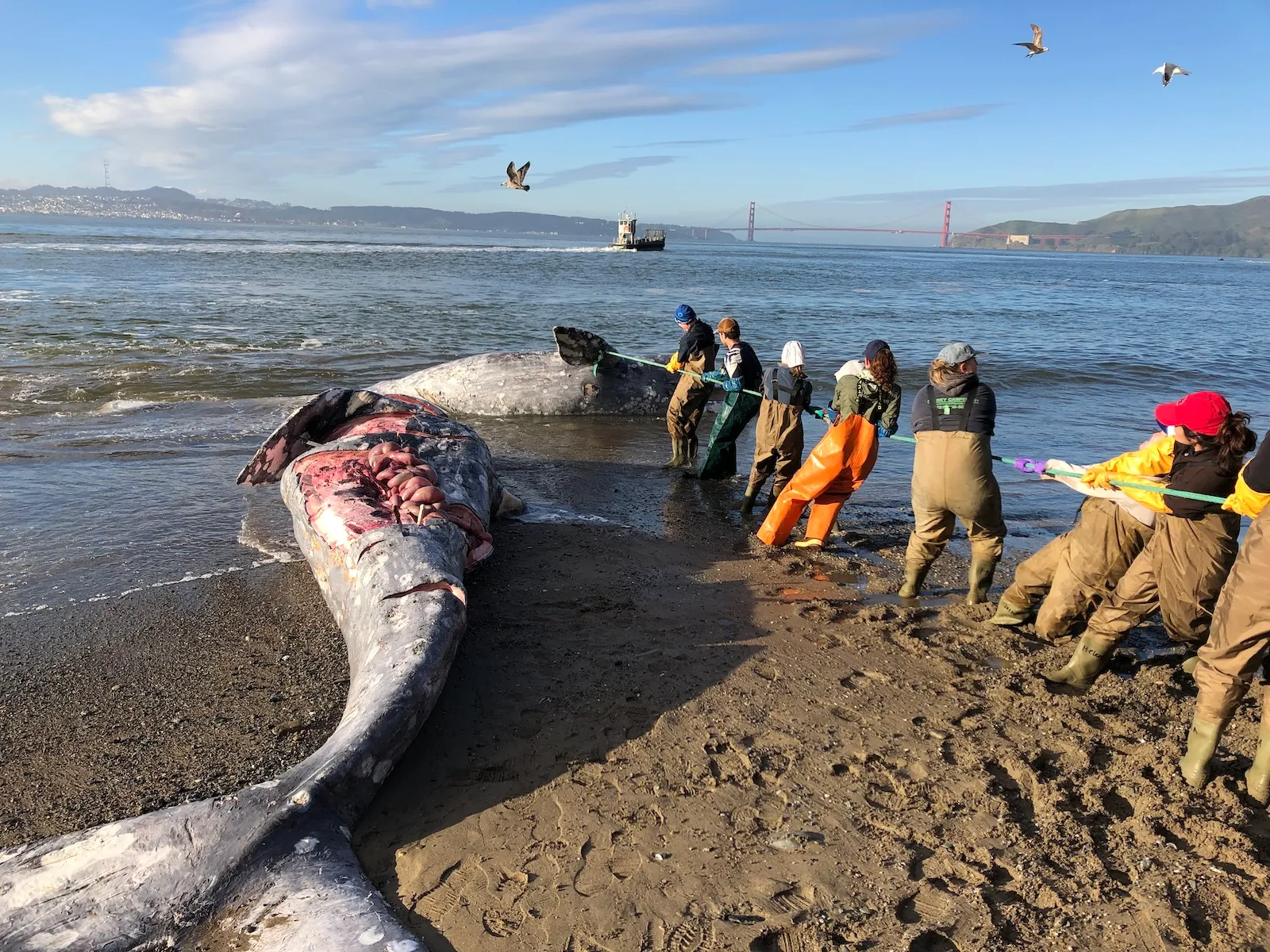
Hundreds of scientists, government officials, and environmentalists convened in Newport, Oregon, last week for a critical two-day conference dedicated to the plight of the gray whale. This urgent gathering was prompted by a significant decline in the gray whale population along the U.S. West Coast, which has fallen by half over the past decade, representing a loss of thousands of individuals. The primary scientific hypothesis attributes this drastic reduction to climate change, which is believed to be diminishing the whales' food sources in the Arctic. The situation has escalated, with 187 gray whales washing ashore dead during the past summer alone, highlighting the severity of the crisis. Despite the mounting evidence and scientific concern, the Trump administration has reportedly shown little action on the issue. Attendees from across North America shared their research and understanding of the species, with Bill Keener, a researcher at the Marine Mammal Center, expressing inspiration at the collaborative scientific effort. However, the conference atmosphere was described as tense, underscoring the urgency and political sensitivities surrounding the species' conservation status. Gray whales have been removed from the protections of the Endangered Species Act for decades. The National Oceanic and Atmospheric Administration (NOAA), whose scientists were present at the meetings, has also missed a legal deadline to respond to a petition seeking to relist the species. In response to this inaction, three conservation groups filed a notice of their intent to sue at the end of August, signaling a potential lawsuit if the administration does not address the petition within two months. Mark Palmer, who leads a marine mammal protection project at the Earth Island Institute, one of the involved conservation groups, noted that participants were cautious, with presenters focusing strictly on scientific findings and avoiding policy discussions. This deliberate approach was likely a strategic choice, given the presence of many government scientists and individuals reliant on federal funding. The dwindling food sources in the Arctic are believed to be krill and amphipods, which are sensitive to changes in sea ice extent and ocean temperature, both directly impacted by global warming. The gray whale's feeding grounds are primarily in the shallow waters of the Bering and Chukchi Seas, areas experiencing rapid environmental shifts. The species undertakes one of the longest migrations of any mammal, traveling thousands of miles between their Arctic feeding grounds and breeding lagoons in Baja California, Mexico. Their reliance on specific Arctic food sources makes them particularly vulnerable to climate-induced ecosystem changes. The potential relisting under the Endangered Species Act would trigger federal protections, including habitat conservation measures and restrictions on activities that could harm the whales, such as offshore drilling and shipping in critical areas. The scientific community's concern is amplified by the fact that gray whales are considered an indicator species, meaning their health reflects the overall health of the marine ecosystem. Their decline suggests broader environmental degradation in the Arctic, with potential cascading effects on other marine life.
Original source — read the full reporting at the publisher:
Read on GristGet the weekly AI digest
AI news + new model releases, weekly. Drafted by our agents, reviewed by humans.