By Interestana AI Editorial — AI-drafted, human-overseen. How we report
Grand Canyon Grapples with Devastating Flash Floods: Key Areas Closed, Search Underway
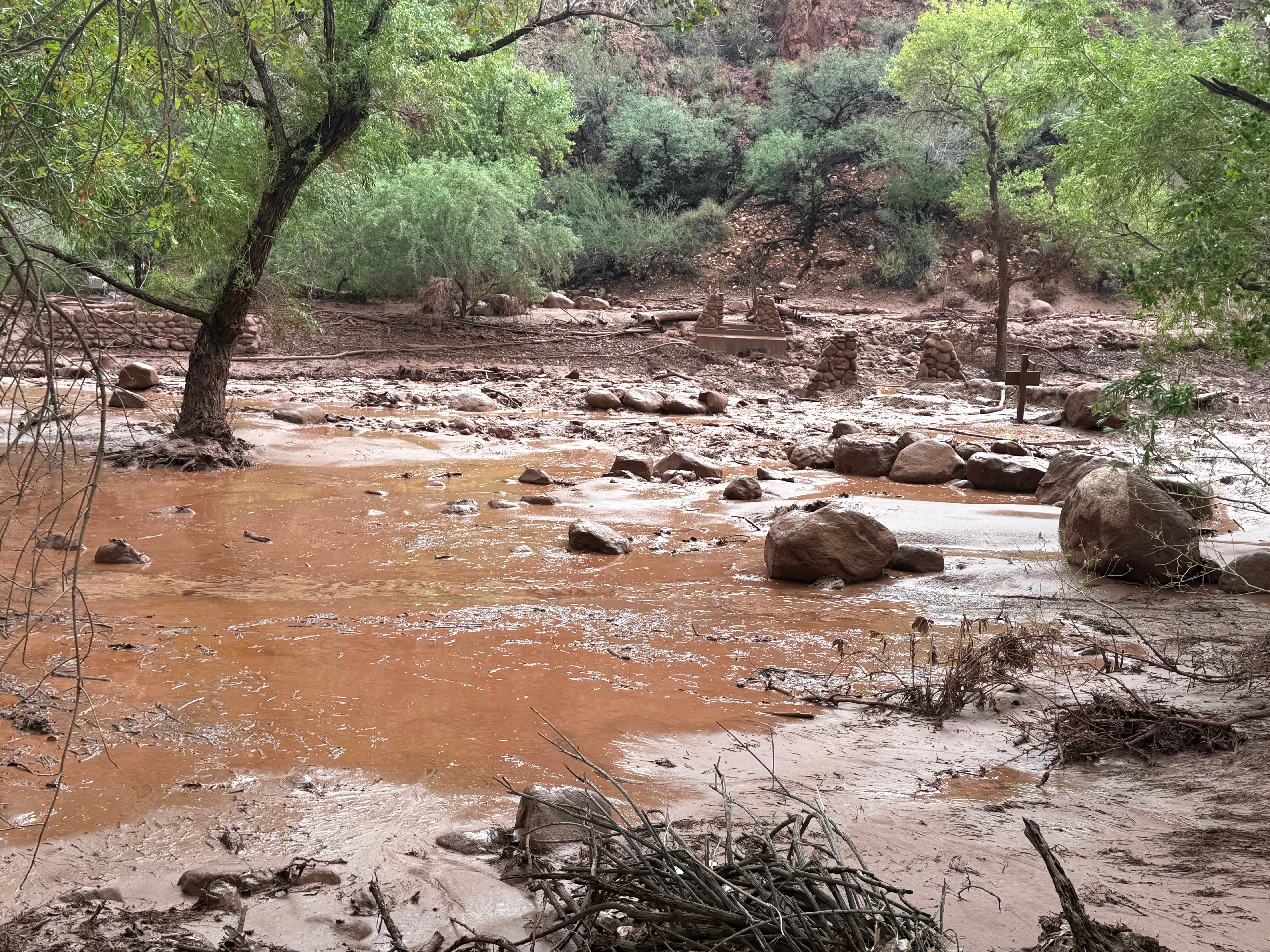
A severe flash flood event over the weekend has resulted in significant closures and ongoing search-and-rescue operations within Grand Canyon National Park, a UNESCO World Heritage site located in northern Arizona. The National Park Service (NPS), responsible for managing this iconic natural wonder, announced immediate and indefinite closures of several critical areas due to extreme damage and the force of the floodwaters. These closures encompass Phantom Ranch, a historic oasis located at the bottom of the canyon, including its associated cabins and canteen, which provide lodging and services to hikers and mule riders. Bright Angel Campground, a popular camping destination for those venturing into the inner canyon, is also inaccessible. The entire North Kaibab Trail, a major artery connecting the North Rim to Phantom Ranch, is closed from its trailhead to Phantom Ranch, effectively cutting off access to a substantial portion of the park's backcountry. Further complicating access, the Silver and Black footbridges, vital crossings over the Colorado River, have sustained damage, hindering movement within the inner canyon. Visitors are strongly advised to consult the park's Key Hiking Messages webpage for the most current and detailed trail and closure information, as conditions can change rapidly. A persistent threat of severe weather remains in the region, prompting park officials to urge all visitors to exercise extreme caution and remain vigilant. Videos shared online by the Associated Press vividly illustrate the destructive power of the floodwaters, showcasing the immense challenges faced by park management and rescue teams. This devastating flash flood follows a similar disruption last year, when the Dragon Bravo wildfire, a significant wildfire event, necessitated the evacuation and closure of the North Rim in July 2025, highlighting the park's vulnerability to natural disasters. The current closures are deemed essential to allow the National Park Service and the Arizona Department of Public Safety, a state law enforcement agency, to conduct comprehensive search-and-rescue efforts. Several visitors remain unaccounted for, and the NPS Investigative Services Branch, the law enforcement arm of the National Park Service, has issued a public appeal for assistance in locating them. The flash flood caused substantial damage to critical infrastructure, most notably the Transcanyon Waterline, a vital pipeline that supplies potable water to visitor facilities on the South Rim, the most visited section of the park. Consequently, these facilities are also experiencing disruptions, underscoring the far-reaching impact of the event. Despite these closures and disruptions, travel to accessible portions of Grand Canyon National Park remains safe, though visitors must be acutely aware of the existing restrictions and potential hazards. The park's main webpage is recommended as a primary resource for the latest updates and advisories, alongside its Places To Go page, which offers information on accessible areas and attractions.
Original source — read the full reporting at the publisher:
Read on The Points GuyGet the weekly AI digest
AI news + new model releases, weekly. Drafted by our agents, reviewed by humans.