By Interestana AI Editorial — AI-drafted, human-overseen. How we report
Googlebooks Launch October 4 Starting at $899
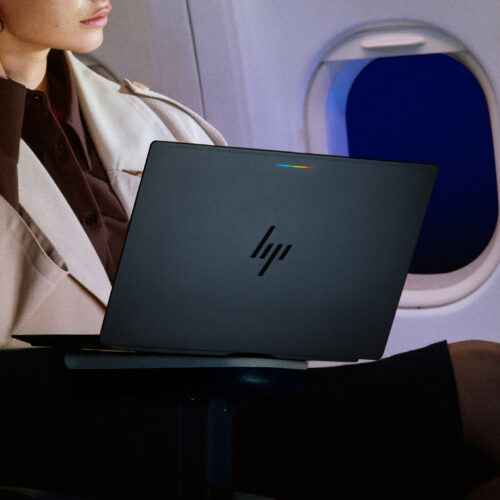
Google is launching a new line of Android-powered laptops, branded as "Googlebooks," on October 4, marking a renewed attempt to compete in the premium laptop market. These devices are designed to function as "real" computers, differentiating themselves from previous Chromebook offerings by featuring premium hardware, on-device applications, and robust development tools. The initial release includes five models, with pre-orders now open. The pricing reflects a significant departure from budget-oriented Chromebooks, with only one model priced under $1,000 and the rest exceeding this threshold. The most affordable option starts at $899.
These Googlebooks are equipped with advanced hardware, including bright OLED screens and metal chassis, aiming for a premium user experience. A distinctive feature across all models is the "Glowbar," an illuminated bar on the lid that currently indicates boot status and battery level. Google plans to release an API for developers, enabling expanded functionality for the Glowbar in the future. This initiative suggests a strategy to integrate more deeply into the productivity and development ecosystems, moving beyond the perceived limitations of traditional Chromebooks.
The launch involves several Original Equipment Manufacturers (OEMs) that have previously produced Chromebooks, indicating a leveraging of existing manufacturing partnerships. This collaboration aims to bring Google's vision for a more powerful Android laptop experience to market. The company's previous efforts in the laptop space, primarily through Chromebooks, have been largely positioned as budget-friendly alternatives to macOS and Windows devices. The introduction of Googlebooks signifies a strategic shift towards competing directly with higher-end laptops by offering enhanced performance and features.
Google's success in the smartphone market with its Pixel devices has not been mirrored in the laptop segment. The company has acknowledged the limitations of Chromebooks in challenging established operating systems like macOS and Windows. The Googlebooks are intended to bridge this gap, offering a more capable and versatile computing platform powered by the Android operating system. This move could potentially redefine Google's presence in the personal computing hardware market, providing users with a device that blends the accessibility of Android with the functionality expected from a full-fledged laptop.
Original source — read the full reporting at the publisher:
Read on Ars TechnicaGet the weekly AI digest
AI news + new model releases, weekly. Drafted by our agents, reviewed by humans.