By Interestana AI Editorial — AI-drafted, human-overseen. How we report
Googlebooks Launch: Defining the Modern Laptop
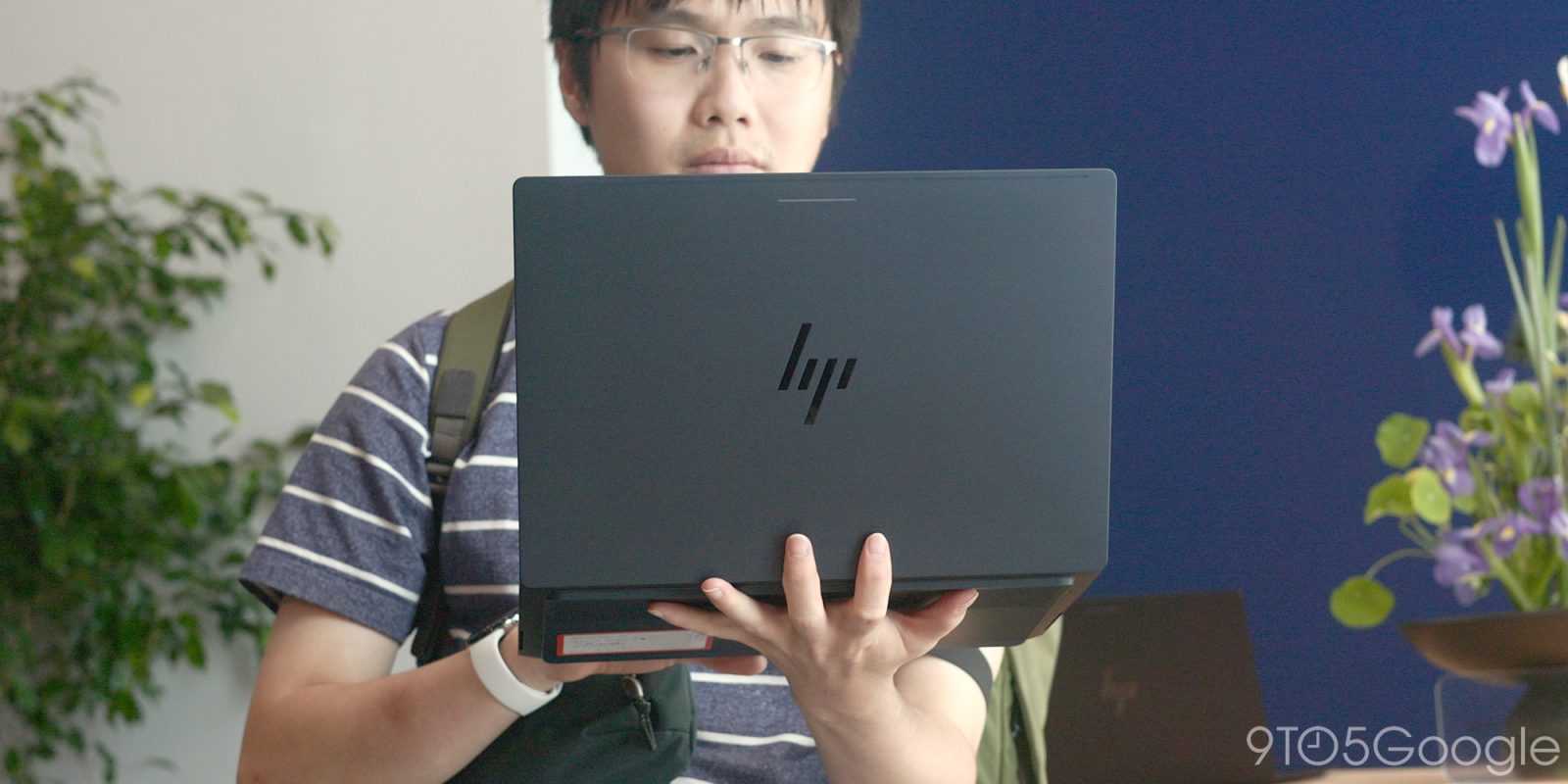
Googlebooks have officially launched, marking a significant entry into the laptop market with a focus on defining what constitutes a modern laptop. After an extended period of anticipation, the initial models are now available, and early hands-on experiences suggest a deliberate approach to hardware and software integration. The core concept behind Googlebooks appears to be a curated experience designed to leverage specific hardware capabilities, particularly for artificial intelligence tasks and enhanced productivity, setting them apart from conventional laptops.
While specific technical specifications for the first wave of Googlebooks were not detailed in the initial announcement, the emphasis is on a cohesive ecosystem. This suggests that the hardware components have been selected and optimized to work seamlessly with Google's software suite and AI-driven features. The aim is to provide a user experience that is both powerful and intuitive, potentially offering performance advantages in areas like on-device AI processing, cloud integration, and multitasking. The term "Googlebook" itself implies a device that is deeply intertwined with Google's services and operating system, likely ChromeOS, but with enhanced capabilities beyond typical Chromebooks.
Early impressions from hands-on testing indicate that Googlebooks are positioned to challenge existing laptop paradigms. The focus on defining "what makes a laptop, a laptop" suggests a re-evaluation of essential features and performance metrics. This could involve improvements in areas such as battery life, display quality, processing power for demanding applications, and the integration of advanced input methods. The "Googlebook" branding may also signify a commitment to long-term software support and regular feature updates, ensuring the devices remain competitive and relevant over their lifespan. The inclusion of video in the initial coverage further underscores the multimedia and interactive capabilities being prioritized.
The launch of Googlebooks enters a competitive laptop market dominated by established players like Apple, Microsoft, and various PC manufacturers. Google's strategy appears to be differentiating itself by offering a distinct vision for the future of personal computing, one that is heavily influenced by AI and cloud-based services. The success of Googlebooks will likely depend on their ability to deliver tangible benefits to users, whether through superior performance, unique features, or a more integrated and seamless user experience compared to existing offerings. The company's commitment to defining this new category suggests a long-term investment in hardware innovation and ecosystem development.
Original source — read the full reporting at the publisher:
Read on 9to5GoogleGet the weekly AI digest
AI news + new model releases, weekly. Drafted by our agents, reviewed by humans.