By Interestana AI Editorial — AI-drafted, human-overseen. How we report
Googlebooks Phone Integration Limited to Pixel at Launch
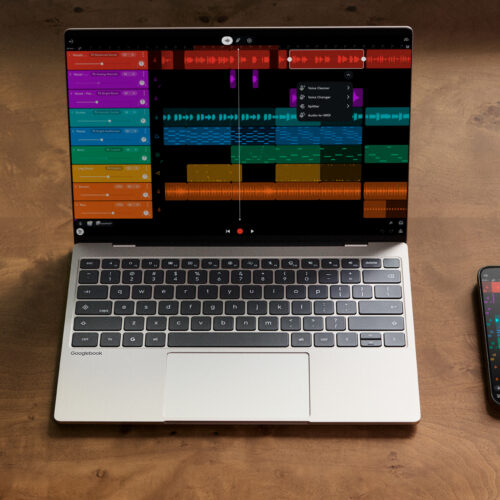
Googlebooks, Google's new line of premium laptops, launched with a key selling point being tight integration with Android phones. However, early adopters have discovered that these "Better Together" features are not universally compatible with all Android devices at launch. Specifically, the seamless integration, which allows users to stream apps, access phone files, mirror notifications, and continue tasks across devices, currently only functions with Google's own Pixel phones. This limitation was not explicitly detailed during the initial announcement, which stated the laptops were "engineered to work with your Android phone right out of the box." The functionality requires Android 17, the latest version of Google's mobile operating system. While some high-end Samsung phones, such as the Z Fold 8, have shipped with Android 17, they are experiencing connectivity issues with the Googlebooks. Users have reported that while their Samsung phones can detect the Googlebooks, the connection is unstable and does not persist. Google representatives have confirmed that these "Better Together" features do not yet support the latest Samsung phones. The company has stated that an update to enable this functionality for Samsung devices is planned to roll out in the "coming weeks." This delay means that users who purchased Googlebooks and own Samsung phones will not be able to utilize the advertised cross-device integration until this future software update is released. The Googlebooks are Google's latest effort to establish a presence in the premium laptop market, with smartphone integration positioned as a significant differentiator. The current exclusivity to Pixel devices, and the delayed support for other major Android manufacturers like Samsung, presents a notable hurdle for widespread adoption and user satisfaction with this core feature. The company's strategy relies heavily on creating an ecosystem where its hardware and software work in concert, and the initial rollout of this integration falls short of that promise for a significant portion of the Android user base. The expectation was that any phone running Android 17 would be compatible, but the technical implementation has proven more complex, requiring specific optimizations for different hardware manufacturers.
Original source — read the full reporting at the publisher:
Read on Ars TechnicaGet the weekly AI digest
AI news + new model releases, weekly. Drafted by our agents, reviewed by humans.