By Interestana AI Editorial — AI-drafted, human-overseen. How we report
Google Introduces Selfie Video for Account Sign-Ins
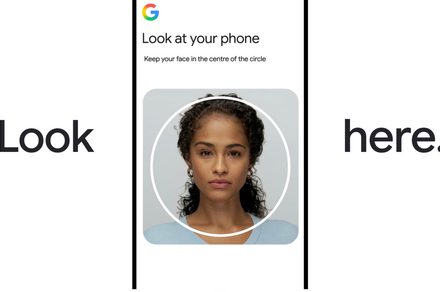
Google introduced a new account sign-in method on March 12, 2024, that allows users to verify their identity using a live selfie video instead of traditional passwords. This feature aims to enhance account security and streamline the login process for Google users. The selfie video verification requires users to record a short video of themselves turning their head, which is then analyzed to confirm their identity.
This new authentication method is part of Google's ongoing efforts to move away from password-based security, which is often vulnerable to phishing and data breaches. By leveraging biometric data through video, Google seeks to provide a more robust and user-friendly alternative. The company stated that the video data is processed securely and is not stored in a way that compromises user privacy. This initiative aligns with broader industry trends towards passwordless authentication solutions.
The selfie video verification is being rolled out gradually to Google accounts. Users will be prompted to set up this feature during their next login or through their account security settings. Once enabled, they can choose to sign in using the video verification option, which is designed to be quick and intuitive. Google has not yet announced specific performance metrics or adoption rates for this new feature, but it represents a significant step in its security roadmap.
This development follows Google's previous introductions of advanced security measures, including two-factor authentication and passkeys. The company continues to invest in AI and machine learning to improve its security infrastructure and protect users from evolving online threats. The selfie video verification is expected to be particularly beneficial for users who frequently forget their passwords or struggle with complex authentication procedures.
Original source — read the full reporting at the publisher:
Read on Digital TrendsGet the weekly AI digest
AI news + new model releases, weekly. Drafted by our agents, reviewed by humans.