By Interestana AI Editorial — AI-drafted, human-overseen. How we report
Google Rolls Out Motion Assist Bubbles to Android
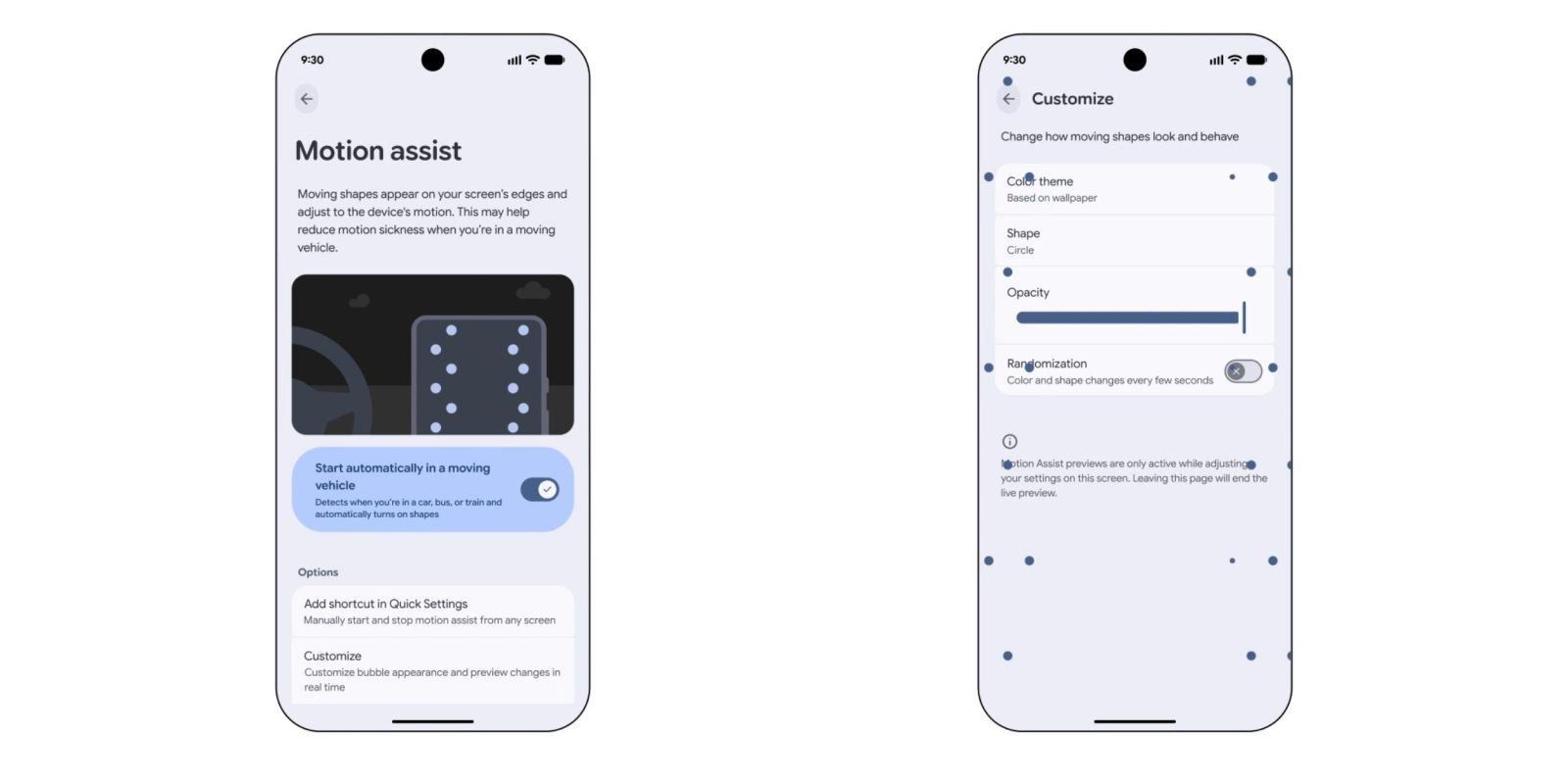
Google has officially rolled out Motion Assist, a new suite of features aimed at assisting users with mobility challenges, to a wider range of Android devices. The company announced the feature earlier this month, and it is now available for Pixel and Samsung phones operating on Android 17. Motion Assist is designed to provide enhanced accessibility through a series of tools that leverage device sensors and AI to offer contextual support.
The core of Motion Assist is its "bubble" interface, which provides quick access to relevant actions and information based on the user's current activity or environment. For instance, if a user is navigating a new area, the bubbles might offer shortcuts to public transport information or accessibility maps. If the device detects a potential fall, Motion Assist could proactively offer to contact emergency services or a designated caregiver. This proactive and contextual approach aims to reduce the cognitive load and physical effort required for users to access necessary assistance.
This rollout signifies Google's continued commitment to developing inclusive technology. The integration of Motion Assist into the Android operating system means that a significant number of users will benefit from these accessibility enhancements without needing to install separate applications. The feature's reliance on Android 17 indicates that users will need to have a relatively recent version of the operating system to access it, suggesting that Google is targeting newer hardware and software capabilities for its deployment. The specific functionalities within Motion Assist are expected to evolve as Google gathers user feedback and further refines its AI models.
While the initial announcement focused on Pixel and Samsung devices, the broader integration into Android 17 suggests a potential for wider availability across other Android manufacturers in the future, provided their devices meet the necessary hardware and software requirements. The development of Motion Assist aligns with a growing trend in the tech industry to prioritize accessibility and provide tools that empower individuals with diverse needs. The feature's success will likely depend on its intuitiveness, reliability, and the extent to which it can be personalized to individual user requirements and preferences, ensuring it offers genuine utility rather than being a superficial addition.
Original source — read the full reporting at the publisher:
Read on 9to5GoogleGet the weekly AI digest
AI news + new model releases, weekly. Drafted by our agents, reviewed by humans.