By Interestana AI Editorial — AI-drafted, human-overseen. How we report
Google Gemini Robotics 2.0 Enhances Dexterity and Safety
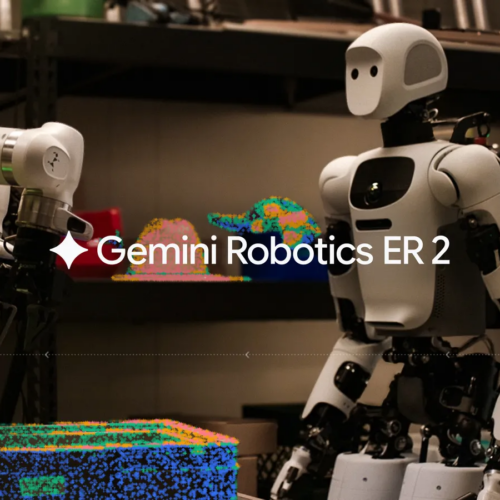
Google has unveiled Gemini Robotics 2.0, an updated AI system designed to imbue physical robots with enhanced dexterity, continuous environmental analysis capabilities, and the ability to collaborate with other robotic units. This advancement represents a significant step towards creating generalist robots capable of performing a wide array of human-like tasks, a concept Google DeepMind scientists sometimes refer to as "physical AGI." The core of Gemini Robotics 2.0 is built upon a trio of new sub-models, with one made publicly available to developers starting today. This release aims to move beyond the limitations of robots programmed for highly specific, pre-defined actions, such as the viral videos of robots performing singular routines like running or dancing. Instead, the objective is for robots to understand and execute general instructions, adapting to diverse situations.
The Gemini Robotics 2.0 system brings "whole-body intelligence" to robots, allowing for more nuanced and precise control, particularly for humanoid robots equipped with complex manipulators like hands. A key component of this upgrade is Gemini Robotics ER 2, an "embodied reasoning" model that Google DeepMind claims is a substantial improvement over its predecessor, the 1.6 release. This embodied reasoning model is crucial for robots to understand and interact with their physical environment in a more sophisticated manner. The integration with the Gemini Live API provides developers with direct access to test and experience these newly developed capabilities, fostering further innovation and application development in the field of robotics.
This new iteration of Gemini Robotics focuses on improving the safety and reliability of robots operating in real-world environments. The enhanced dexterity means robots can perform tasks requiring fine motor skills with greater precision, reducing the risk of errors or damage. Furthermore, the continuous analysis of changing environments allows robots to adapt their actions in real-time, a critical feature for safe operation alongside humans or in dynamic settings. The collaborative aspect enables multiple robots to work together on complex tasks, coordinating their efforts to achieve a common goal more efficiently. This development is part of Google's broader strategy to advance the capabilities of AI in physical applications, bridging the gap between artificial intelligence and tangible robotic action.
Original source — read the full reporting at the publisher:
Read on Ars TechnicaGet the weekly AI digest
AI news + new model releases, weekly. Drafted by our agents, reviewed by humans.