By Interestana AI Editorial — AI-drafted, human-overseen. How we report
Google Photos Shortens Trash Bin Deletion to 30 Days
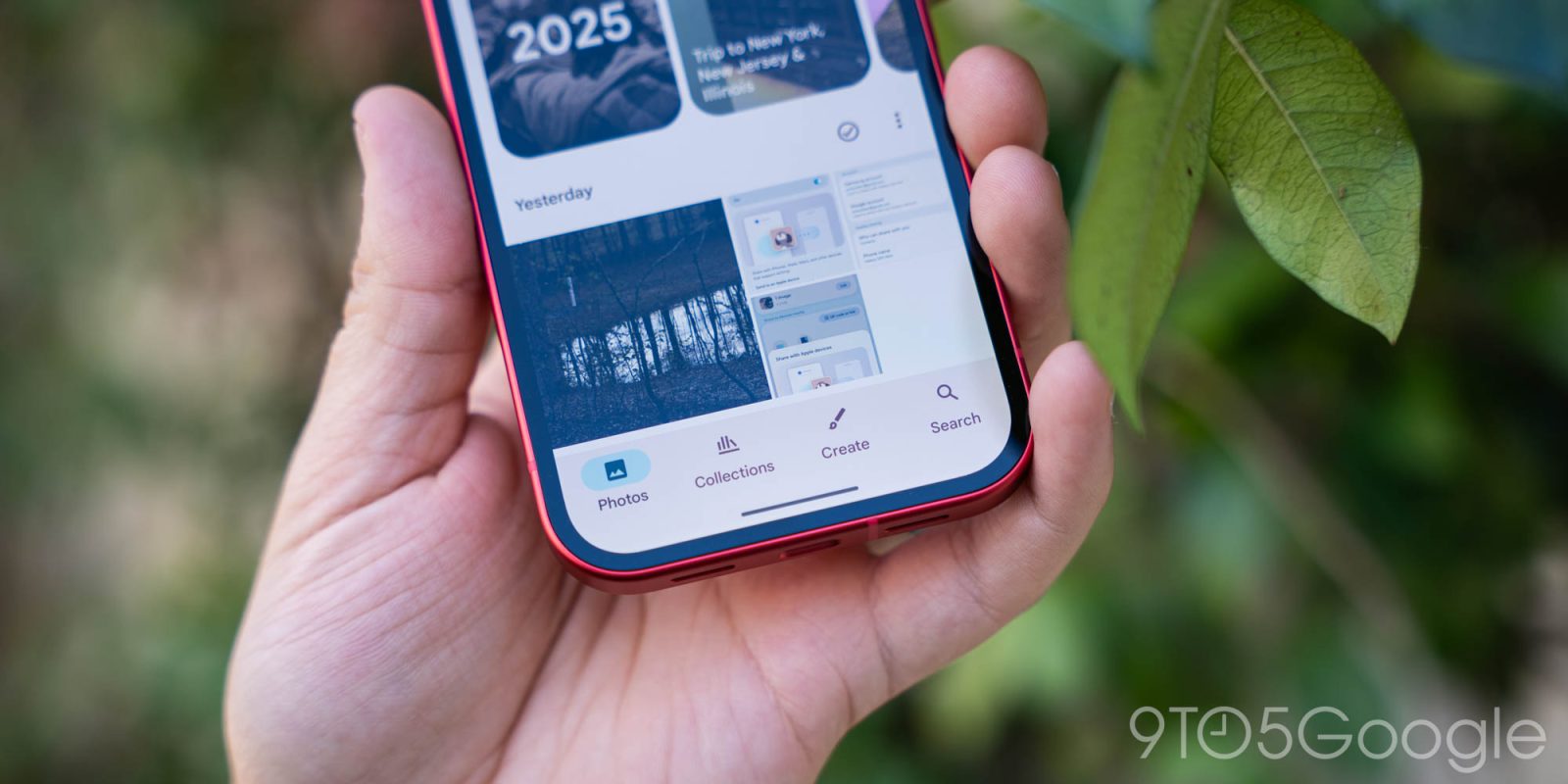
Google Photos has implemented a significant change to its trash bin functionality, reducing the automatic deletion period for deleted media from 60 days to 30 days. This alteration is set to take effect in September 2026, meaning users will have a shorter window to recover accidentally deleted photos and videos. The previous policy allowed users up to two months to restore items from their trash, providing a more forgiving buffer for mistakes. The new 30-day limit aligns with a more aggressive data management strategy, potentially aimed at optimizing storage and operational costs for Google. This change impacts all users of Google Photos, regardless of their subscription tier or device. Users who wish to retain deleted media beyond the 30-day period must manually back up or move their files to another storage location before the automatic deletion occurs. The company has not provided extensive details regarding the specific reasons for this accelerated deletion policy, but it is common for cloud storage providers to periodically review and adjust their data retention policies to manage infrastructure demands and costs. This adjustment means users need to be more diligent in reviewing their trash folder and ensuring they do not permanently lose important memories. The change was communicated through updates to the Google Photos help pages and potentially through in-app notifications to users. It is important for users to be aware of this upcoming change to avoid unexpected data loss. The shift from 60 days to 30 days represents a doubling of the deletion frequency for items in the trash, requiring users to adapt their digital photo management habits. This move by Google Photos is part of a broader trend among technology companies to refine their service offerings and operational efficiencies. For users who frequently delete and then regret their decisions, this shorter timeframe necessitates a more immediate review process. The implications for data recovery services or third-party backup solutions that might have relied on the longer 60-day window are also worth considering, though Google Photos itself remains the primary platform for managing these deleted files. The company's decision to shorten this retention period underscores the dynamic nature of cloud service policies and the importance of users staying informed about platform updates that affect their data. The effective date of September 2026 provides users with ample time to adjust to the new policy and implement any necessary changes in their personal data management routines. This update affects the core functionality of how deleted content is handled within the Google Photos ecosystem, making it a critical piece of information for its user base.
Original source — read the full reporting at the publisher:
Read on 9to5GoogleGet the weekly AI digest
AI news + new model releases, weekly. Drafted by our agents, reviewed by humans.