By Interestana AI Editorial — AI-drafted, human-overseen. How we report
Google Maps Traffic Data Bug Affects Android Auto Users
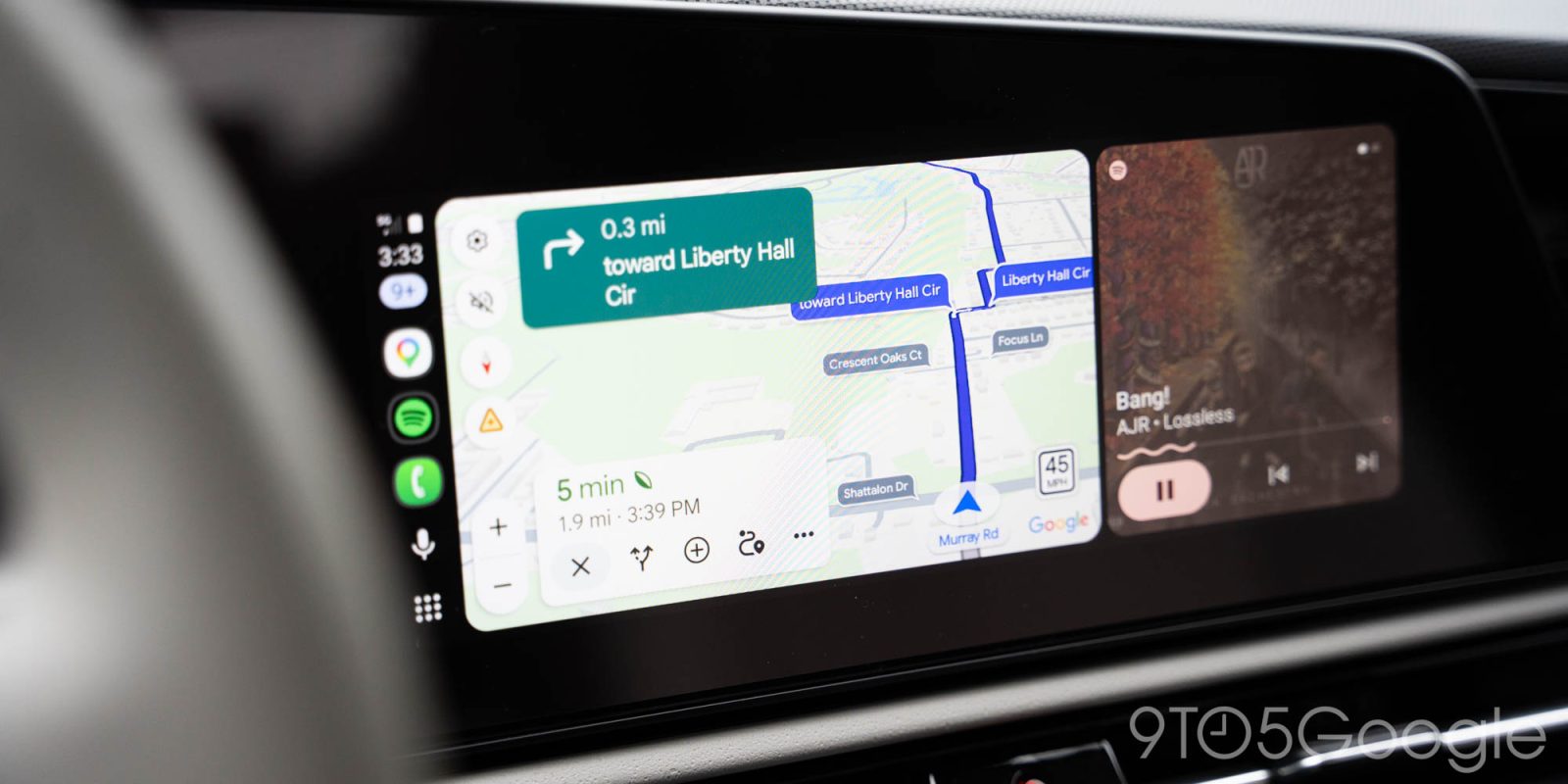
Google Maps has been experiencing a significant bug that prevents the display of real-time traffic data, an issue that has been ongoing for approximately one month. This problem has recently escalated, with a notable impact on users operating the navigation app through Android Auto. The absence of accurate traffic information compromises the app's core functionality, hindering drivers' ability to make informed decisions about their routes and estimated arrival times. Users have reported that the traffic layer, which typically uses color-coded lines to indicate congestion levels, is either entirely missing or displaying inaccurate information. This malfunction affects the reliability of Google Maps as a primary navigation tool, especially for daily commutes and long-distance travel where traffic conditions are a critical factor.
The scope of the bug appears to extend beyond Android Auto, with users on other platforms also reporting similar issues with traffic data visibility. While Google has acknowledged the existence of bugs within its mapping service, specific details regarding the cause and timeline for a comprehensive fix for the traffic data problem have not been widely disseminated. The company's development teams are likely investigating the root cause, which could stem from data feed discrepancies, server-side processing errors, or compatibility issues with specific operating system versions or device models. The persistent nature of the bug suggests a complex underlying problem that requires careful diagnosis and resolution.
Google Maps, developed by Google, a subsidiary of Alphabet Inc., is one of the most widely used navigation applications globally. Its features include turn-by-turn navigation, satellite imagery, Street View, and real-time traffic updates. The traffic data functionality relies on a vast network of anonymized location data from users' devices, combined with historical traffic patterns and sensor data from various sources. When this data is not processed or displayed correctly, it significantly degrades the user experience and the app's utility. The current issue with traffic data is a notable setback for a feature that many users consider essential for efficient travel planning.
This malfunction comes at a time when navigation apps are increasingly integrated into vehicle infotainment systems, such as Android Auto. Android Auto provides a simplified interface for accessing Google Maps, messaging, and music on a car's display. The failure of a core feature like traffic data display within this integrated environment can lead to frustration and a diminished sense of safety for drivers who depend on accurate, real-time information. The company's response and the speed at which a permanent solution is implemented will be crucial in restoring user confidence in Google Maps' reliability for navigation purposes.
Original source — read the full reporting at the publisher:
Read on 9to5GoogleGet the weekly AI digest
AI news + new model releases, weekly. Drafted by our agents, reviewed by humans.