By Interestana AI Editorial — AI-drafted, human-overseen. How we report
Google Earth Credibility Damaged by Deepfake Satellite Images
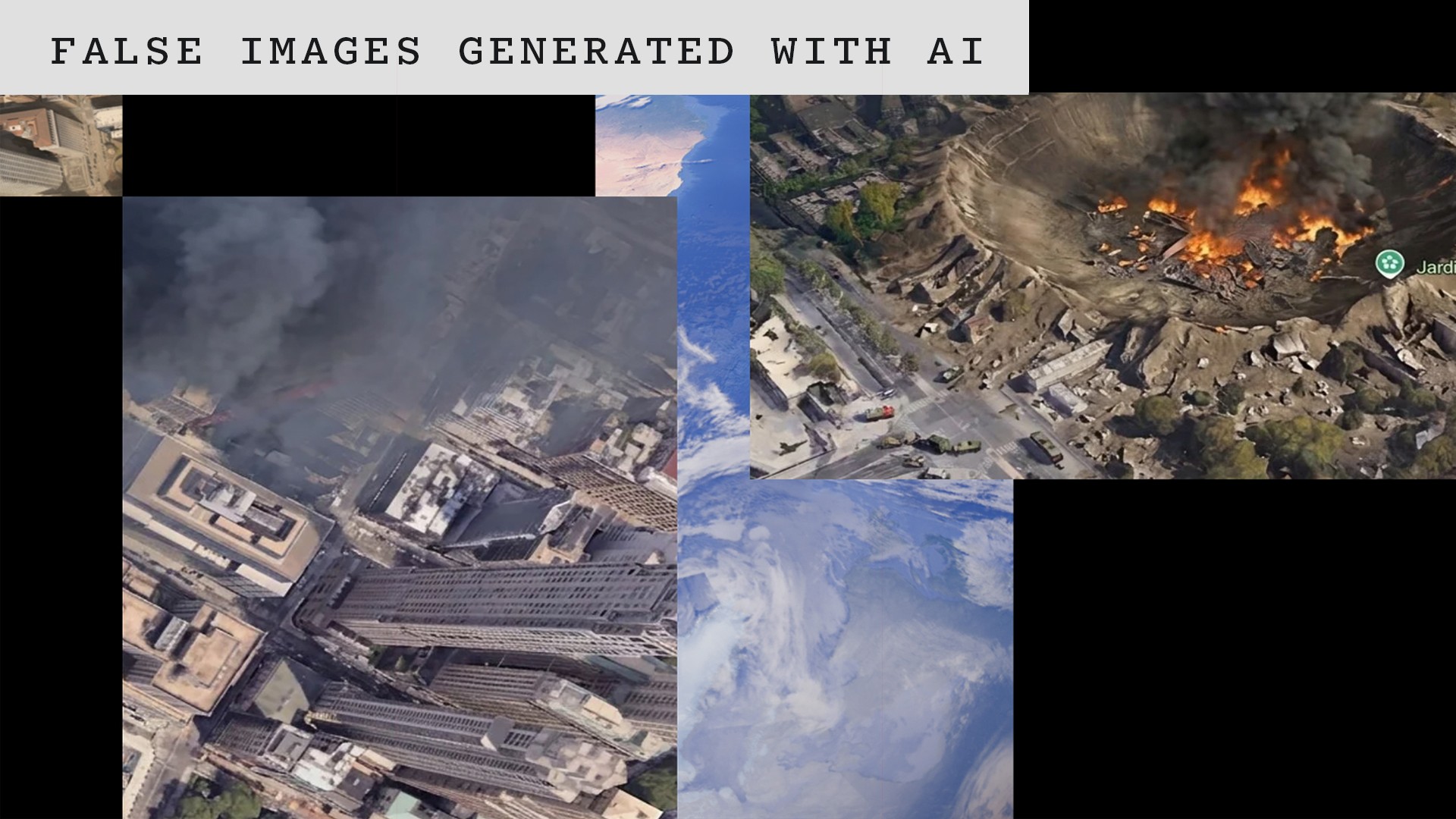
The credibility of Google Earth's satellite imagery has been significantly undermined by the proliferation of deepfake images, impacting its utility for researchers and the general public. These fabricated images, which appear to be genuine satellite photographs, exploit the trust users place in Google's platform as a source of verifiable geographic information. The issue highlights a growing challenge in distinguishing authentic visual data from AI-generated or manipulated content, a problem that extends beyond satellite imagery to encompass various forms of digital media.
Researchers have historically relied on Google Earth for a wide range of studies, from environmental monitoring and urban planning to historical analysis and disaster assessment. The availability of high-resolution, seemingly authentic satellite imagery has been crucial for documenting changes over time, identifying patterns, and supporting evidence-based conclusions. However, the introduction of deepfakes into this data stream introduces a significant risk of misinformation. If researchers unknowingly incorporate fabricated images into their work, it could lead to flawed analyses, incorrect conclusions, and a general erosion of confidence in the data itself. This situation mirrors broader concerns about the impact of AI-generated content on the integrity of information across the internet.
The ease with which deepfake satellite images can be created and disseminated raises questions about the verification processes employed by platforms like Google Earth. While Google has not yet issued a formal statement addressing the deepfake satellite image issue specifically, the company has previously acknowledged the challenges posed by AI-generated content and has stated its commitment to combating misinformation. The potential for malicious actors to use such deepfakes for propaganda, to sow confusion, or to misrepresent events on the ground is substantial. For instance, a deepfake could be used to falsely depict military activity, environmental damage, or the construction of infrastructure, leading to significant geopolitical or social consequences.
This development underscores the urgent need for more robust tools and methodologies for detecting AI-generated or manipulated visual content, particularly in contexts where factual accuracy is paramount. The incident serves as a stark reminder that even trusted sources of information can be vulnerable to sophisticated disinformation campaigns. As AI technology continues to advance, the lines between reality and artificiality are becoming increasingly blurred, necessitating a proactive and vigilant approach to information verification from both technology providers and users alike. The long-term implications for scientific research, journalism, and public trust in digital information remain a significant concern.
Original source — read the full reporting at the publisher:
Read on The AtlanticGet the weekly AI digest
AI news + new model releases, weekly. Drafted by our agents, reviewed by humans.