By Interestana AI Editorial — AI-drafted, human-overseen. How we report
Google Repurposes Pixel Phone Temperature Sensor
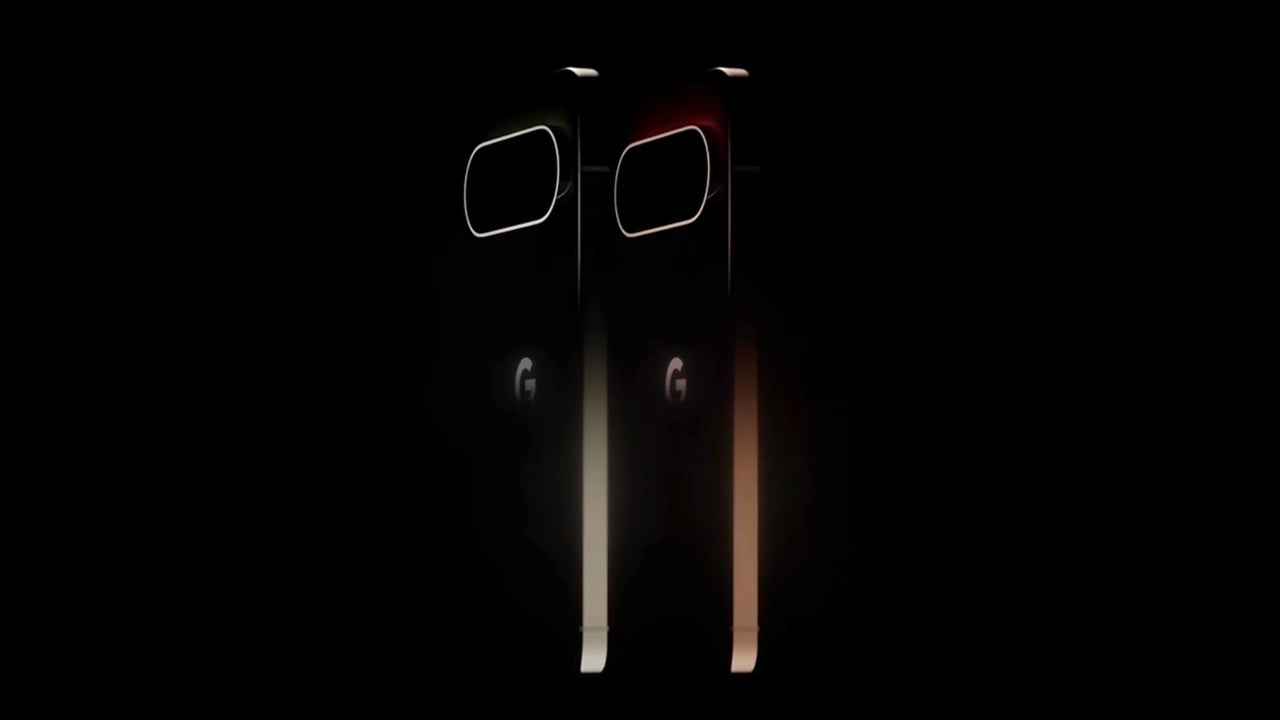
Google has repurposed the temperature sensor previously found on its Pro-series Pixel phones, a feature that had limited practical application for users. This sensor, initially included on models like the Pixel 6 Pro and subsequent iterations, was capable of detecting the temperature of nearby surfaces. However, it was not designed or certified for measuring human body temperature and could not be safely used in cooking scenarios. The company has now replaced this sensor area with a new feature called HiLight, an LED light strip integrated into the camera bump. This HiLight LED is designed to provide visual feedback for interactions with Google's Gemini AI and to signal incoming calls. The announcement of this change coincides with the unveiling of the Pixel 11 Pro, indicating a shift in hardware functionality for the flagship device. The temperature sensor, which was often viewed as a niche or experimental feature, has been retired in favor of a more visible and interactive notification system. The HiLight LED is intended to be a more prominent and useful indicator compared to the previous temperature-sensing capability. Rumors had previously suggested that Google might introduce a strip of colored lights around the camera bump, drawing parallels to the glowing bar featured on upcoming Googlebook laptops. This new HiLight feature appears to fulfill those speculative reports, offering a distinct visual element to the Pixel's design and user interface. The move signifies Google's strategy to enhance user experience through more integrated and responsive hardware features, moving away from sensors with limited everyday utility. The temperature sensor's tenure on Pixel Pro phones, spanning several generations, ultimately concluded without becoming a widely adopted or essential smartphone function for the majority of users. The HiLight LED, by contrast, aims to offer more immediate and engaging feedback, potentially improving how users interact with their devices and the AI services they employ. This repurposing of hardware components underscores a trend in smartphone design towards optimizing features for AI integration and user notification systems, reflecting the evolving landscape of mobile technology and user expectations.
Original source — read the full reporting at the publisher:
Read on Fast CompanyGet the weekly AI digest
AI news + new model releases, weekly. Drafted by our agents, reviewed by humans.