By Interestana AI Editorial — AI-drafted, human-overseen. How we report
Google Home App Updates With Battery-Efficient Widget
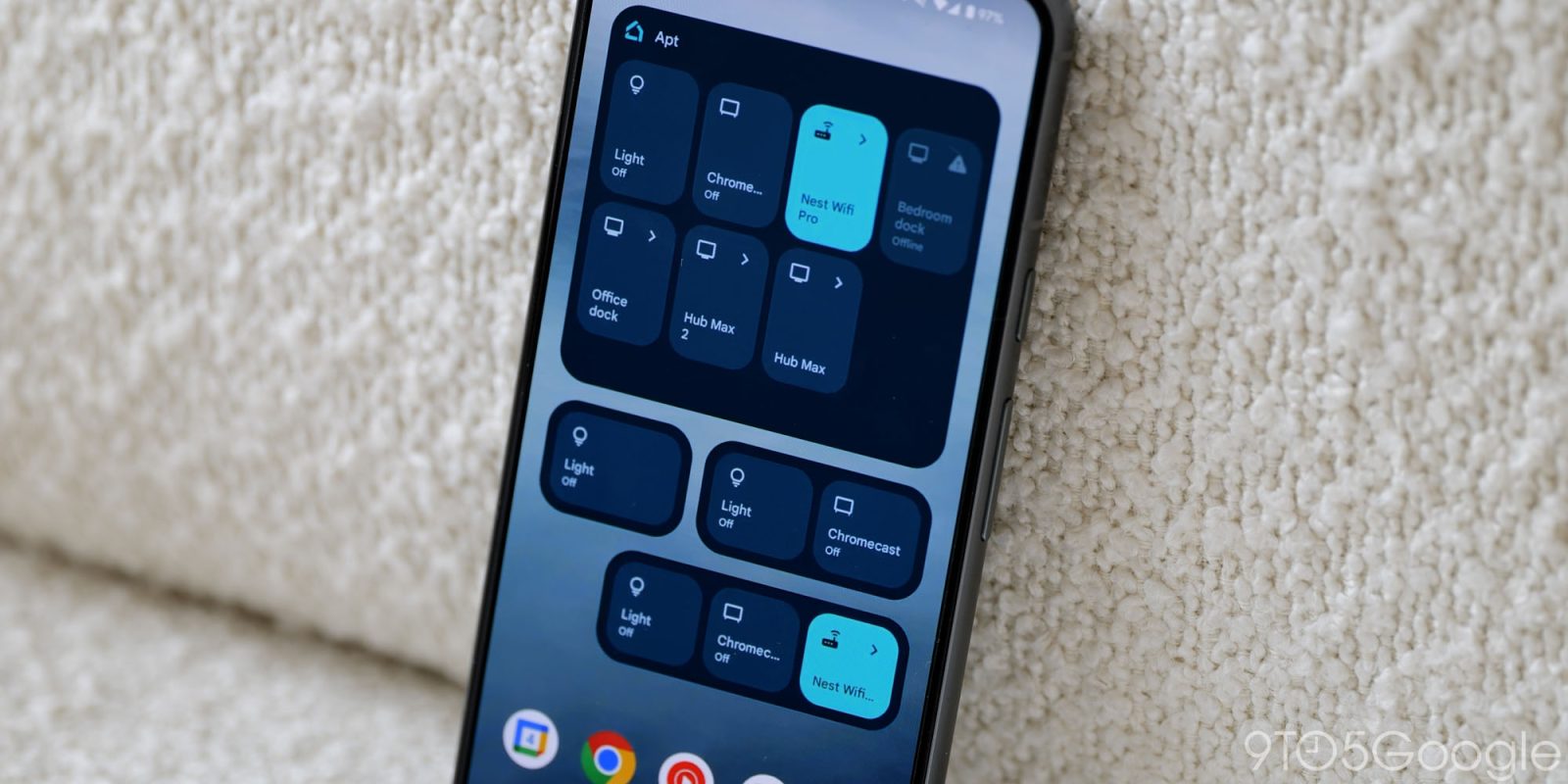
Google's Home application has received an update, introducing a new battery-efficient widget designed to minimize power consumption on users' devices. This enhancement aims to provide a more sustainable and less resource-intensive way to interact with smart home controls directly from the homescreen. Alongside the battery-saving widget, the update also addresses the visual presentation of smart home devices within the app by redesigning the device tiles. These tiles, which previously appeared in a uniform gray color, will now feature more distinct and informative visual cues, making it easier for users to identify and manage their various connected devices. The update was rolled out alongside other Google Home-related enhancements, including improvements to the Home app's core functionality and updates for the Gemini for Home voice assistant. These combined updates signal Google's ongoing commitment to refining the user experience and expanding the capabilities of its smart home ecosystem. The focus on battery efficiency in the new widget is particularly noteworthy, reflecting a broader industry trend towards developing more power-conscious smart home technology. By reducing the background activity and data processing required for the widget to function, Google aims to alleviate concerns about increased battery drain often associated with persistent homescreen elements. The visual overhaul of the device tiles seeks to improve usability by offering clearer differentiation between device types and statuses. This could include changes in iconography, color coding, or the inclusion of more dynamic status indicators, allowing users to quickly ascertain the state of their lights, thermostats, cameras, and other connected appliances at a glance. The integration of Gemini for Home suggests a deepening of AI capabilities within the smart home environment, potentially enabling more sophisticated voice commands and automated routines. While specific details regarding the Gemini for Home updates were not extensively elaborated upon in the initial announcement, its inclusion alongside the Home app enhancements indicates a strategic effort to unify and enhance the user's interaction with their smart home through both visual interfaces and voice control. These updates are part of Google's continuous efforts to improve its smart home platform, making it more intuitive, efficient, and powerful for its user base. The company has been actively developing its smart home offerings, aiming to provide a seamless experience across a wide range of devices and services. The introduction of a battery-efficient widget and improved device tile design are concrete steps towards achieving this goal, addressing user feedback and anticipating future needs in the evolving smart home landscape. The broader context of these updates involves Google's competitive positioning in the smart home market, where it faces rivals offering similar integrated solutions. By focusing on user-centric improvements like battery life and interface clarity, Google seeks to maintain and grow its market share.
Original source — read the full reporting at the publisher:
Read on 9to5GoogleGet the weekly AI digest
AI news + new model releases, weekly. Drafted by our agents, reviewed by humans.