By Interestana AI Editorial — AI-drafted, human-overseen. How we report
Google Develops AI Watermarking for Protein Designs
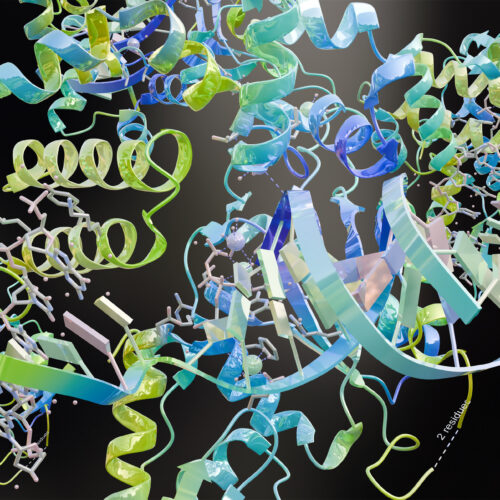
Google researchers have developed a novel method to embed invisible watermarks into AI-designed proteins, addressing potential biosecurity risks associated with advanced protein engineering tools. This breakthrough aims to differentiate naturally occurring proteins from those synthesized by artificial intelligence, a critical step in identifying and mitigating the misuse of such technologies. The development comes nearly a year after a significant risk was flagged concerning the inability of current software to identify AI-designed proteins, which could be exploited to create toxins or modify viral proteins.
The new watermarking technique involves subtly altering the DNA sequences that encode proteins during the AI design process. These alterations are designed to be imperceptible in terms of the protein's function and structure, meaning the AI-designed protein will still perform its intended biological task, whether it's digesting plastics or blocking venom. However, these subtle changes create a unique digital signature, or watermark, that can be detected by specialized AI tools. This allows researchers and security personnel to trace the origin of a protein sequence back to an AI design.
This advancement is particularly significant given the rapid progress in AI-driven protein design. AI tools have already demonstrated remarkable success in creating novel enzymes, such as those capable of breaking down plastics or neutralizing venom. While these applications hold immense promise for environmental remediation and medicine, the same capabilities could be weaponized. The lack of a reliable method to distinguish AI-generated proteins from natural ones posed a substantial biosecurity challenge, as existing DNA sequence analysis software was not equipped to flag these synthetic creations as potential threats.
The Google team's solution provides a proactive defense mechanism. By integrating watermarking directly into the AI design pipeline, they ensure that any protein generated by their system carries an inherent identifier. This watermark acts as a forensic tool, enabling the scientific community to maintain oversight and security in the rapidly evolving field of synthetic biology. The ability to identify AI-designed proteins is crucial for responsible innovation, allowing for the continued exploration of beneficial applications while safeguarding against malicious use. The researchers' work addresses a critical gap in biosecurity, ensuring that the powerful tools of AI in protein engineering are used for the benefit of humanity.
Original source — read the full reporting at the publisher:
Read on Ars TechnicaGet the weekly AI digest
AI news + new model releases, weekly. Drafted by our agents, reviewed by humans.