By Interestana AI Editorial — AI-drafted, human-overseen. How we report
Google Earth Briefly Offered AI Image Generation Tool
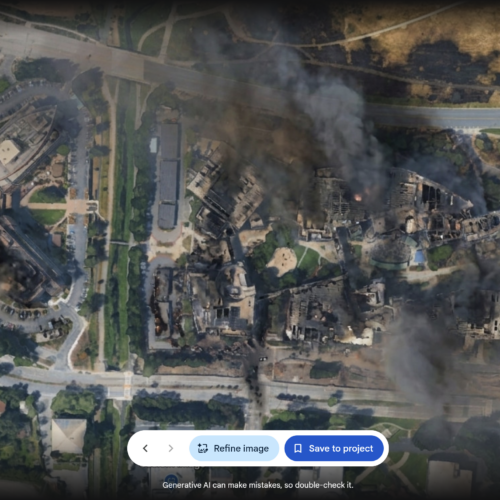
Google briefly integrated an artificial intelligence tool that allowed users to generate custom, AI-modified versions of satellite imagery within Google Earth. The feature, powered by Google's Nano Banana 2 AI image generator, was quickly retracted by the company following public concern over its potential to create and spread misinformation and disinformation. This integration would have enabled users to create novel images based on prompts, using Google Earth's extensive library of satellite, aerial, and 3D imagery. Bryan Horowitz, product manager for Google Earth, highlighted the innovation in a company blog post on July 30, stating, "For the first time, you can generate custom images using Google Earth’s satellite, aerial, and 3D imagery alongside Nano Banana, which creates concepts grounded in the real world." The announcement suggested a significant expansion of creative possibilities for users interacting with geographic data.
However, the rollout was short-lived. Almost immediately after its introduction, users began sharing examples of AI-generated images that demonstrated the tool's capacity for creating misleading or fabricated visual content. The ability to easily alter authentic satellite views of real locations raised alarms about the potential for misuse, particularly in contexts where visual evidence is crucial. While numerous generative AI tools already exist for modifying images of real-world subjects, Google's direct integration into a widely used platform like Google Earth amplified these concerns. The company's swift reversal of the feature indicates a recognition of the risks associated with making such powerful image manipulation tools readily accessible without robust safeguards.
The Nano Banana 2 AI model is designed to generate images that are conceptually linked to real-world data, a capability that, when applied to satellite imagery, could lead to the creation of highly convincing but entirely fictional scenes. The potential for this technology to be used for propaganda, fake news, or other forms of deception was a primary driver for the feature's rapid removal. Google's decision underscores the ongoing challenge for technology companies in balancing innovation with the ethical implications of AI, particularly concerning the authenticity and integrity of visual information. The incident serves as a case study in the rapid deployment and subsequent retraction of AI features when faced with immediate public and potential regulatory scrutiny.
This event highlights a broader trend in the development and deployment of generative AI. As these tools become more sophisticated and integrated into everyday platforms, the potential for both creative application and malicious use grows. Google's experience with the Nano Banana 2 integration in Google Earth suggests that platforms need to carefully consider the societal impact of their AI offerings before widespread release. The company's rapid response to the emerging concerns indicates an awareness of the sensitive nature of geographic imagery and the critical need to prevent its manipulation for deceptive purposes. The future of AI-powered geospatial tools will likely involve more rigorous testing and ethical review processes.
Original source — read the full reporting at the publisher:
Read on Ars TechnicaGet the weekly AI digest
AI news + new model releases, weekly. Drafted by our agents, reviewed by humans.