By Interestana AI Editorial — AI-drafted, human-overseen. How we report
Google Rolls Out 'Goto' URL Redirects in Search Results to Combat Abuse
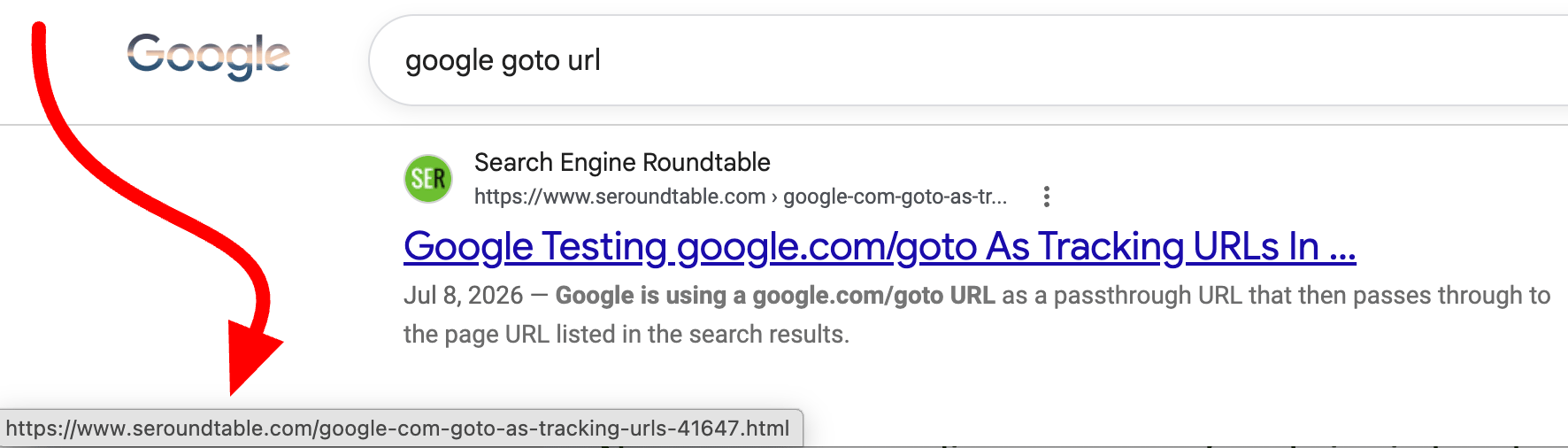
Google has officially confirmed the widespread rollout of a new technical measure designed to bolster the security of its search results and protect its services from evolving forms of abuse. This significant change involves the implementation of "goto" URL parameter redirects for all links presented within Google Search results. Historically, when a user clicked on a search result, their browser would directly navigate to the destination URL, and the full address would be visible in the browser's address bar. However, under the new system, these clicks will now be routed through an intermediate redirect hosted on google.com/goto?url=[hashURL] before ultimately directing the user to their intended webpage.
According to a Google spokesperson, this initiative is part of the company's "long history of deploying technical measures against evolving forms of abuse," emphasizing a commitment to regularly "protect our services and users." The primary technical objective behind this redirect is to create a more robust defense against systematic data scraping by third-party tools, services, scrapers, and artificial intelligence (AI) engines. This move is particularly relevant in the context of ongoing efforts by search engines to manage how their data is accessed and utilized, especially by entities that may engage in large-scale data extraction. Google has previously taken legal action against such entities, notably suing SerpAPI for alleged scraping activities, a case where Google faced setbacks in its legal motions.
Derek Perkins, a representative from Nozzle, a company that provides search analytics, reported on X (formerly Twitter) that this "goto" redirect is being pushed live and has reached "nearly a 100% rollout across several residential IP providers." This widespread deployment suggests a comprehensive effort by Google to integrate this security feature across its search infrastructure.
For businesses and individuals who rely on third-party tools for tracking Google Search performance, such as rank trackers or SEO analysis platforms, this development may necessitate careful monitoring of their data. These tools, which often interact with search results pages to gather information, might experience disruptions or require updates to adapt to the new redirect mechanism. It is advisable for users of these services to stay vigilant for any anomalies in their reported data and to proactively communicate with their tool providers to understand their adaptation strategies.
Google has reportedly been testing this feature for several months, indicating a deliberate and phased approach to its implementation. While the exact scope of impact is still being assessed, it is generally assumed that core Google services like Google Search Console, which provides direct data from Google to webmasters, will not be negatively affected by this change. From the perspective of an average internet user, the direct impact is minimal. The most noticeable change will be the inability to preview the full destination URL in the browser's address bar before the page loads. However, Google continues to display the destination URL clearly beneath the search snippet on the results page, providing transparency about the link's destination. This technical evolution underscores Google's ongoing commitment to maintaining a secure, reliable, and trustworthy search environment for its users while also addressing the challenges posed by automated data extraction and potential misuse of its search results.
Original source — read the full reporting at the publisher:
Read on Search Engine LandGet the weekly AI digest
AI news + new model releases, weekly. Drafted by our agents, reviewed by humans.