By Interestana AI Editorial — AI-drafted, human-overseen. How we report
Google Integrates Liquid Glass and Material 3 on iOS
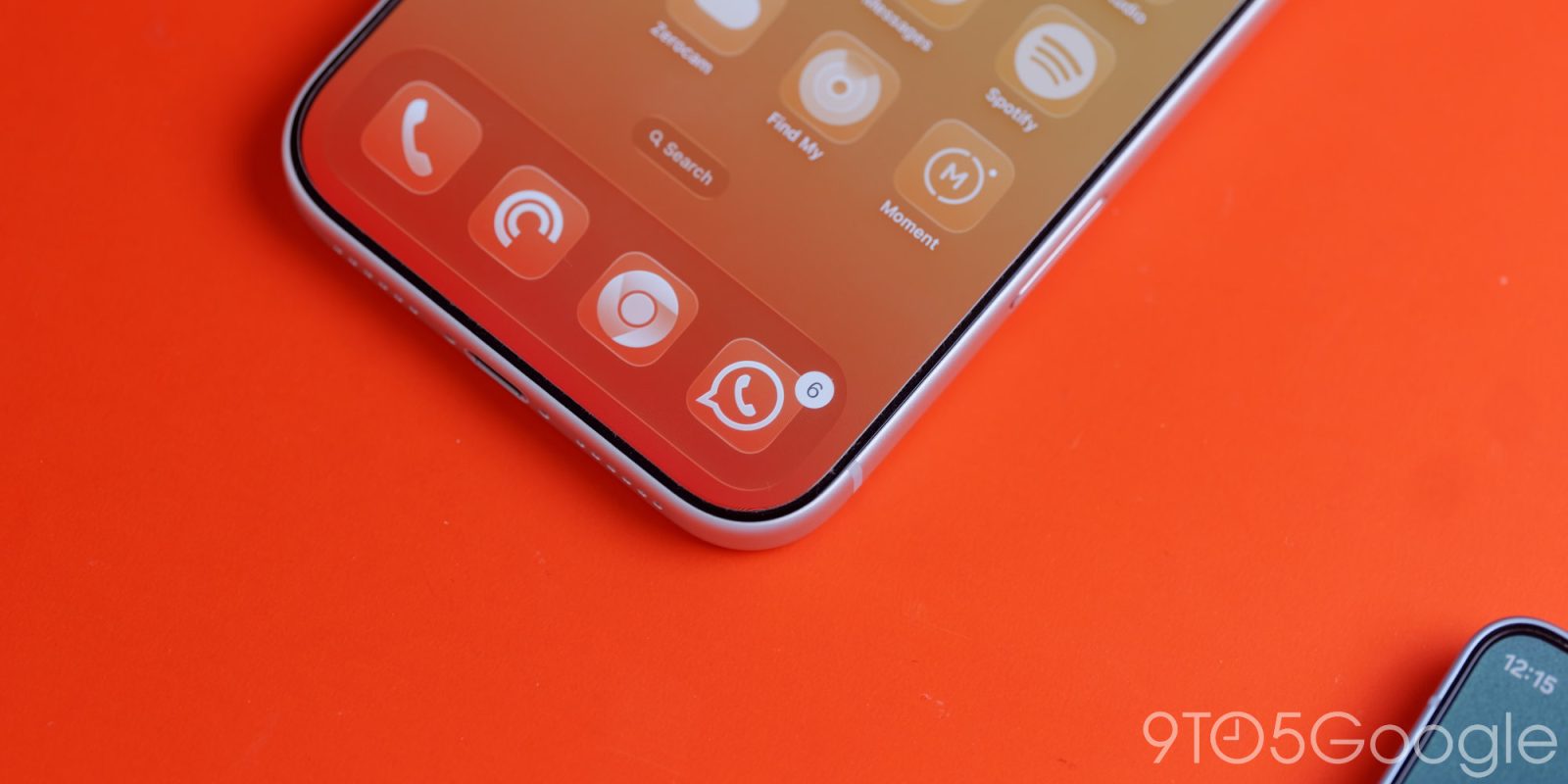
Google is integrating its Liquid Glass design language with its Material 3 Expressive design principles across its applications on the iOS platform. This development marks a significant evolution for Liquid Glass, which was first introduced approximately one year ago. The combined aesthetic aims to provide a more fluid and visually engaging user experience on iPhones. Liquid Glass is characterized by its translucent, almost liquid-like appearance, allowing underlying content or backgrounds to subtly show through. This effect is now being harmonized with Material 3's Expressive design, which emphasizes personalization, adaptability, and dynamic visual elements. The Material 3 Expressive design language, part of Google's broader Material Design system, focuses on creating interfaces that are not only functional but also emotionally resonant and adaptable to user preferences and device contexts. By merging these two design philosophies, Google is likely seeking to create a more cohesive and modern look and feel for its iOS applications, differentiating them from their Android counterparts and offering a distinct visual identity. The integration suggests a strategic effort by Google to refine its cross-platform design consistency while leveraging unique visual treatments for its iOS user base. This approach allows Google to maintain brand recognition across different operating systems while embracing platform-specific design nuances. The company's commitment to evolving its design systems indicates a continuous effort to enhance user interaction and visual appeal. The visual outcome of this integration is expected to be a more dynamic and visually rich interface, where elements appear to flow and adapt, creating a sense of depth and interactivity. This move also reflects the increasing importance of design as a key differentiator in the competitive mobile application market. Users often associate a polished and intuitive design with high-quality software, and Google's adoption of this combined aesthetic is a clear signal of its focus on user experience. The specific applications that will feature this new design language have not been exhaustively detailed, but the announcement implies a broader rollout across Google's suite of iOS offerings. This initiative underscores Google's ongoing investment in user interface and user experience research and development, aiming to deliver aesthetically pleasing and functionally superior applications to its global user base. The interplay between the translucent qualities of Liquid Glass and the expressive, adaptable nature of Material 3 is anticipated to result in interfaces that are both sophisticated and user-friendly, setting a new standard for Google's visual presence on iOS devices. The company's design teams are likely working to ensure that this new visual paradigm enhances usability without compromising accessibility or performance, a critical balance in modern app development. The introduction of Liquid Glass a year prior laid the groundwork for this more complex integration, demonstrating a phased approach to design innovation. This strategic layering of design elements showcases a deliberate effort to build upon existing visual frameworks and introduce novel aesthetic experiences. The gallery mentioned in the title suggests that visual examples of this new design will be made available, allowing users and designers to see the practical application of these combined principles. This transparency in design evolution is characteristic of Google's approach to user-centric development, where feedback and visual demonstration play crucial roles in shaping the final product. The long-term impact of this design integration on user engagement and app adoption rates on iOS will be a key area to monitor as these updated applications roll out.
Original source — read the full reporting at the publisher:
Read on 9to5GoogleGet the weekly AI digest
AI news + new model releases, weekly. Drafted by our agents, reviewed by humans.