By Interestana AI Editorial — AI-drafted, human-overseen. How we report
GM Vehicles Under Federal Scrutiny for Brake Failure
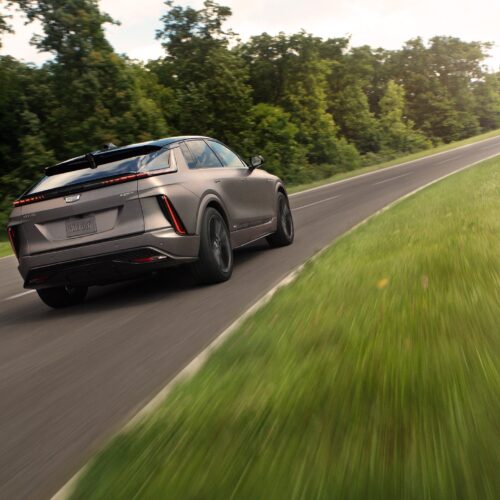
The National Highway Traffic Safety Administration (NHTSA) has expanded a safety investigation into General Motors vehicles due to hundreds of reported brake failures. This issue affects more than 1.1 million vehicles, encompassing a wide range of GM's electric vehicles and models manufactured for Honda and Acura. The core of the problem lies within the brake-by-wire system, which GM refers to as eBoost. Reports indicate that the eBoost system can experience a spindle fracture while the vehicle is in operation. GM has stated that in such an event, critical safety features like antilock brakes, traction control, and stability control should remain functional until the vehicle comes to a complete stop, after which they would become inoperable. However, the NHTSA's Office of Defects Investigation (ODI) has received numerous reports that contradict GM's assertion. These reports allege that eBoost failures result in an immediate and complete loss of braking capability, posing a significant safety risk to drivers and passengers. The NHTSA has documented 227 incident reports related to this issue. When occurrences reported directly to GM are included, the total number of reported incidents rises to 745. The investigation has revealed that 22 of these incidents resulted in vehicle crashes. Tragically, six individuals sustained injuries across five separate crashes. Fortunately, there have been no reported fatalities associated with these brake failures. The expanded investigation signifies a heightened level of scrutiny from federal safety regulators concerning the reliability and safety of GM's braking systems, particularly those employing advanced electronic control technologies. The inclusion of vehicles manufactured for other automotive brands highlights the interconnectedness of automotive supply chains and the potential for widespread impact from a single component failure. The NHTSA's ongoing review will aim to determine the full scope of the problem, the root cause of the spindle fractures, and the effectiveness of GM's proposed remedies. The agency's findings could lead to further actions, including potential recalls or mandatory safety improvements, to ensure the safety of affected vehicles on public roads. The sheer volume of reports and the severity of the alleged failures underscore the critical nature of this investigation for both General Motors and the consumers who rely on their vehicles for safe transportation.
Original source — read the full reporting at the publisher:
Read on Ars TechnicaGet the weekly AI digest
AI news + new model releases, weekly. Drafted by our agents, reviewed by humans.